
Uncategorized

IIOT Solutions for Modern Manufacturing Challenges

IIOT Solutions for Modern Manufacturing Challenges

Why Industrial Automation Is No Longer Optional in 2025 The global manufacturing environment is changing at an unprecedented pace. Rising labour costs, skilled worker shortages, shrinking profit margins, unstable supply chains, and strict sustainability compliance have forced industries to rethink traditional operations. Manual processes are no longer enough, companies that fail to modernize are quickly losing competitive ground. Recent studies support this shift. McKinsey reports that highly automated plants can achieve between 30%–50% higher labour productivity and 15%–30% lower operating costs compared to conventional factories. Gartner predicts that by the end of 2025, 85% of major manufacturing companies will have adopted smart automation systems. At the same time, the global industrial automation market is projected to exceed $410 billion by 2028, showing massive demand and accelerated adoption. No matter the scale whether a small fabrication unit or a multi-plant industrial conglomerate, industrial automation services have become the most reliable way to increase efficiency, profitability, safety, and long-term sustainability. Introduction to Industrial Automation What Is Industrial Automation? Industrial automation refers to the use of control systems, robotics, intelligent sensors, software platforms, and data technologies that allow machinery and industrial processes to operate with minimal human involvement. The primary objectives include higher speed, superior consistency, enhanced worker safety, increased traceability, and data-backed decision-making. Modern automation is not about replacing humans, but about enabling them to work smarter while intelligent systems handle repetitive, hazardous, or highly precise tasks. The Evolution of Automation to Industry 5.0 Industrial automation has evolved across multiple phases: The journey began with steam-powered mechanization in the late 18th century. Henry Ford revolutionized mass production with the moving assembly line in 1913. The invention of the programmable logic controller (PLC) in 1969 accelerated automation. The concept of Industry 4.0 emerged around 2011, integrating cyber-physical systems, AI, IoT, and data analytics. By 2025, we are now entering Industry 5.0, where human creativity and intelligent automation systems work collaboratively with a strong focus on sustainability, personalization, and resilience. .Why Automation Is Urgently Needed Today Industrial automation has become essential due to several factors: Global skilled labour shortages may reach 85 million workers by 2030. Demand for product customization has increased significantly. ESG compliance and net-zero carbon commitments are becoming mandatory. Global supply chain disruptions require agile, responsive production. Automation ensures continuity, competitiveness, and profitability in an unstable industrial climate. Types of Industrial Automation Systems There are four core categories of industrial automation systems, each designed for different production needs: Fixed (Hard) Automation:Used in extremely high-volume, repetitive manufacturing such as bottling, packaging, and transfer lines. It offers low cost per unit and very high throughput but provides almost no flexibility for product changes. Programmable Automation:Ideal for batch processes where the same equipment is used to produce different items. Examples include CNC machines, paint booths, and industrial furnaces. Reprogramming requires moderate effort and time, making it suitable for medium-scale production. Flexible (Soft) Automation:Designed for high product variability and rapid changeovers. With robots, AI-enabled vision systems, and modular tooling, changeovers can occur in minutes. This system suits modern personalized manufacturing demands. Integrated Automation:Combines hardware, software, IT/OT connectivity, MES, ERP, and cloud platforms into a single digital ecosystem. This is the foundation of true smart factories and Industry 4.0 operations Key Technologies Powering Modern Automation in 2025 Modern automation ecosystems are built on advanced integrated technologies including: Programmable Logic Controllers (PLCs) and edge controllers for real-time control. SCADA systems and data historians for visualization, alarms, analytics and remote monitoring. Distributed Control Systems (DCS) for large-scale continuous operations such as refineries and power plants. Human-Machine Interfaces (HMIs) including modern touch panels, remote dashboards, and augmented-reality displays. Industrial Internet of Things (IIoT) platforms enabling plant-wide connectivity. Robotics and collaborative robots (cobots) that work safely alongside humans. Machine vision and AI-enabled automated quality inspection. Digital twins that simulate real production assets and predict future behaviour. Predictive maintenance software using AI to diagnose issues before breakdowns occur. Together, these technologies enable more intelligent, self-optimizing, and resilient manufacturing. Industrial Automation Services -What Companies Actually Receive Professional automation service providers deliver far more than equipment installation. The service portfolio includes: Consulting, feasibility assessment, audits, and ROI calculations. Engineering design including FEED, P&IDs, control architecture, and functional specifications. Custom control panel design and fabrication to UL508A/IEC standards. Complete PLC, SCADA, DCS, and safety-instrumented system programming. HMI and SCADA interface development with mobile and web access capability. Legacy modernization and system upgrades with seamless integration. MES and ERP connectivity for full digital traceability. Industrial cybersecurity aligned with IEC 62443 and zero-trust principles. AI-based predictive maintenance and remote monitoring solutions. Operator training, documentation, and long-term maintenance contracts. Real-World Applications Across Major Industries Industrial automation is transforming multiple verticals. For example: Automotive plants deploy fleets of robots guided by 3D vision to weld, assemble, and inspect vehicles on mixed-model production lines. Food and beverage plants run fully automated packaging and clean-in-place (CIP) systems achieving extremely high hygiene and uptime levels. Pharmaceutical facilities use robotic sterile filling lines compliant with 21 CFR Part 11 and Annex 1 standards. Oil and gas companies use SCADA platforms to monitor pipelines and production assets spread across thousands of kilometres. Renewable energy operations apply predictive analytics to wind turbines, improving energy yield by up to 15%. Modern warehouses use autonomous mobile robots (AMRs) that increase order fulfilment speed by two to three times. Quantifiable Benefits of Industrial Automation Factories adopting automation typically achieve measurable improvements such as: 15%–35% increase in Overall Equipment Effectiveness (OEE) 30%–50% increase in labour productivity 70%–95% reduction in quality defects Up to 72% reduction in workplace accidents 10%–25% reduction in energy use 25%–40% lower maintenance costs through predictive maintenance 20%–30% reduction in inventory and working capital Most companies achieve full return on investment within 18 to 36 months. Common Challenges and Practical Solutions While automation offers huge advantages, some challenges may arise. These can be addressed effectively: High initial investment can be managed through phased deployment or subscription-based Automation-as-a-Service models. Skilled workforce shortages can be resolved through advanced training, vendor academies, and no-code platforms. Cybersecurity risks

IIOT Solutions for Modern Manufacturing Challenges Read More »
Powering the Future of Manufacturing: How INGSOL’s IIoT Solutions Are Transforming Industries

Powering the Future of Manufacturing

Introduction: The Age of Intelligent Manufacturing The manufacturing world stands at the intersection of innovation and transformation. The integration of data, machines, and intelligence is no longer an aspiration but it’s the foundation of industrial progress. The Industrial Internet of Things (IIoT) has emerged as the driving force behind this evolution, empowering manufacturers to operate with precision, agility, and foresight. As global competition intensifies and customer expectations evolve, the key differentiator for manufacturers lies in how effectively they harness real-time data. From improving asset utilization to ensuring production continuity, IIoT technologies are redefining every link in the manufacturing value chain. At the forefront of this revolution is INGSOL, offering next-generation IIoT solutions designed to transform challenges into opportunities and operations into intelligent ecosystems. The Manufacturing Landscape Today The manufacturing industry has always been a symbol of progress and productivity. Yet in recent years, the pace of change has accelerated beyond traditional boundaries. Automation, robotics, and digital integration have become core pillars of modern production systems. However, the real transformation lies in how data is being utilized not just collected, but interpreted, connected, and acted upon. Today’s manufacturers face a rapidly evolving environment characterized by: Increasing demand for customized products Tightening margins and cost pressures The need for faster decision-making and flexible production Growing emphasis on sustainability and energy efficiency While traditional automation achieved process consistency, it often fell short of delivering real-time adaptability.That’s where IIoT steps in, enabling manufacturers to bridge the gap between operations and intelligence, connecting every asset, process, and system through seamless digital integration. The Core Challenges Manufacturers Face Despite technological progress, many manufacturers still grapple with persistent challenges that limit productivity and growth. Unplanned Downtime: Unexpected equipment failures disrupt production schedules and inflate maintenance costs. Limited Visibility: Fragmented systems and siloed data make it difficult for leaders to view operations holistically. Inefficient Resource Utilization: Without accurate performance data, optimizing energy, materials, and labour becomes reactive rather than strategic. Complex Supply Chains: Expanding global networks demand real-time tracking and synchronization across multiple facilities. Data Overload Without Insight: Vast amounts of factory data remain untapped, collected but never translated into action. These challenges call for more than incremental fixes; they demand a connected, intelligent ecosystem that can predict, adapt, and evolve. What Is IIoT and Why It Matters The Industrial Internet of Things (IIoT) combines operational technology (OT) and information technology (IT) to create a unified, data-driven manufacturing environment. Through sensors, smart devices, and connectivity, IIoT allows factories to collect, analyze, and act on data in real time. This connectivity transforms traditional plants into smart factories, agile, adaptive, and insight-led. IIoT enables: Predictive Maintenance: Anticipating issues before they disrupt production. Optimized Processes: Continuous improvement driven by data analytics. End-to-End Visibility: Unified monitoring from the shop floor to executive dashboards. The real value of IIoT lies in turning information into intelligence and this is where INGSOL makes a difference. How INGSOL’s IIoT Solutions Bridge the Gap INGSOL’s IIoT ecosystem is designed to turn industrial data into operational excellence.By integrating advanced analytics, cloud-edge connectivity, and intuitive dashboards, INGSOL empowers manufacturers to make smarter, faster decisions. Comprehensive Connectivity: Seamless integration connects every machine, device, and sensor enabling continuous data flow and unified visibility. Predictive Insights: INGSOL’s analytics engine forecasts potential equipment issues before they occur, minimizing unplanned downtime. Optimized Operations: Real-time insights allow dynamic optimization of throughput, energy consumption, and process performance. Scalable and Flexible Architecture: Whether managing one facility or a global network, INGSOL’s IIoT framework scales efficiently to meet evolving business needs. Real-Time Decision Support: Intelligent dashboards deliver live insights empowering leaders to make data-backed decisions instantly. Key Capabilities and Innovations of INGSOL IIoT INGSOL’s IIoT platform offers a comprehensive suite of tools to drive industrial transformation: Asset Health Monitoring: Continuous diagnostics ensure early detection of faults and prolonged equipment life. Energy Management: Intelligent tracking identifies inefficiencies and promotes sustainable operations. Production Analytics: Actionable insights enhance output, yield, and quality control. Condition-Based Maintenance: Maintenance is performed only when required based on live machine data. Cloud + Edge Integration: Secure, hybrid processing ensures reliability and data integrity across all levels. Customizable Dashboards: User-specific interfaces provide clarity for every role from operators to top management. Together, these capabilities turn static data into dynamic intelligence, making manufacturing smarter, safer, and more sustainable. Real-World Impact: Smarter, Leaner, Faster Operations The transformation achieved through INGSOL’s IIoT solutions is measurable and meaningful. Manufacturers experience: Higher Productivity: Real-time monitoring minimizes idle time and enhances throughput. Cost Efficiency: Predictive maintenance reduces unnecessary repairs and resource waste. Superior Quality: Data-backed insights drive precision and consistency in every production cycle. Sustainability: Optimized energy consumption supports green manufacturing goals. Empowered Workforce: Teams make proactive decisions based on accurate, live data. By merging intelligence with execution, INGSOL helps organizations unlock the full potential of their operations. The Future of Manufacturing with INGSOL The next decade of manufacturing belongs to the intelligent, integrated enterprise.As digital ecosystems evolve, IIoT will serve as the foundation for autonomous, adaptive, and resilient factories. With INGSOL’s forward-thinking approach, manufacturers can expect: AI-driven process optimization Seamless human-machine collaboration Sustainable production ecosystems End-to-end traceability and transparency As industries move toward Industry 5.0, INGSOL continues to lead with innovation that bridges technology and human intelligence, creating environments that think, learn, and grow with every process. Conclusion Manufacturing is no longer about mass output, it’s about smart, sustainable, and scalable production.With INGSOL’s IIoT solutions, industries gain the power to predict, prevent, and perform at their peak. By connecting machines, data, and intelligence, INGSOL enables enterprises to transition from reactive management to proactive transformation. The result?An ecosystem that is efficient, adaptive, and ready for the future. References: https://research-and-innovation.ec.europa.eu/research-area/industrial-research-and-innovation/industry-50_en?utm_ https://www.sciencedirect.com/science/article/pii/S0736584524000553?utm_ https://www.twi-global.com/technical-knowledge/faqs/industry-5-0?utm_

Powering the Future of Manufacturing Read More »

Embracing Industry 5.0

Embracing Industry 5.0

Our Vision for a Human-Centric Industry 5.0 At INGSOL, we see Industry 5.0 as the next frontier of human-centric, sustainable, and resilient manufacturing. Our approach focuses on integrating advanced technologies from AI and collaborative robots (cobots) to digital twins and Industrial IoT with human creativity and operational expertise. We emphasize workforce empowerment, helping teams upskill for the future while leveraging technology to enhance productivity, safety, and innovation. Sustainability is central to our methodology, guiding green manufacturing practices, waste reduction, and energy-efficient solutions across every stage of production. By combining smart technologies with human ingenuity, INGSOL helps industries transition from purely automated systems to collaborative, adaptive, and future-ready operations, ensuring businesses remain competitive while contributing to societal and environmental goals. Introduction to Industry 5.0 Industry 4.0 was a game-changer, bringing automation, IoT, AI, and big data into the heart of production. It gave rise to smart factories where machines could “talk” to each other, predictive maintenance minimized downtime, and supply chains became increasingly agile. For instance, Siemens and General Electric leveraged IoT-powered platforms to optimize efficiency and reduce costs dramatically. But as impressive as it was, Industry 4.0 also raised concerns about job losses, human alienation, and environmental consequences. The focus leaned too heavily on automation, side lining the very people who give industries their heart and soul. That’s where Industry 5.0 steps in. Coined by the European Commission in 2021, it doesn’t discard the advancements of Industry 4.0 but balances them with human values: creativity, ethics, empathy, and sustainability. Instead of chasing efficiency alone, it promotes resilience, personalization, and environmental stewardship. In short, Industry 5.0 is about prosperity beyond profits, ensuring businesses not only grow but also enrich society and protect our planet. Key Principles of Industry 5.0 Industry 5.0 rests on three core pillars that set it apart from its predecessors: 1. Human-Centricity The human workforce is not just included, it’s placed at the centre of innovation. This means designing systems that augment human skills rather than erasing them. AI tools and ergonomic designs reduce physical strain, enabling workers to focus on creative problem-solving and strategic decision-making. Beyond efficiency, human-centricity creates inclusive workforces, supporting diversity and accessibility for example, adaptive technologies that empower employees with disabilities. This principle isn’t just ethical; it’s strategic, as industries that value people attract talent, improve morale, and drive long-term competitiveness. 2. Sustainability With climate change at the forefront, Industry 5.0 embeds eco-friendly practices into the industrial core. By embracing circular economy models, companies minimize waste, recycle resources, and reduce emissions. For example, renewable energy integration in factories not only lowers carbon footprints but also cuts operational costs by up to 30%. Sustainability is no longer just compliance, it’s a business advantage that strengthens customer trust and future-proofs industries. 3. Resilience If the pandemic taught us anything, it’s that industries need resilience against global shocks. Industry 5.0 promotes flexible systems, modular production lines, and AI-powered forecasting tools to prepare for disruptions. Digital twins, for instance, allow companies to simulate challenges from supply chain delays to equipment failures and identify the best responses in real-time. Resilience ensures continuity, economic stability, and worker security in an uncertain world. The Role of Human–Machine Collaboration The defining feature of Industry 5.0 is collaboration instead of competition between humans and machines. While Industry 4.0 leaned on robots replacing human tasks, Industry 5.0 embraces cobots- collaborative robots designed to work side by side with people. These cobots are equipped with sensors, AI, and adaptive learning capabilities, helping with tasks like assembly, inspection, and repetitive labour, while humans bring creativity, intuition, and innovation to the table. Real-world examples highlight this synergy: 1. Aerospace: Cobots handle precise welding, while engineers oversee complex design integrations. 2. Healthcare: AI supports diagnostics, while doctors focus on empathy-driven patient care. 3. Automotive: Personalized “lot size one” vehicles are possible, combining AI optimization with human customization. 4. Fashion: AI analyzes patterns for efficiency, while artisans add unique creative touches. This collaboration boosts productivity by 20–30%, but equally important, it makes work more fulfilling and human-centred. Technologies Driving Industry 5.0 Several breakthrough technologies fuel Industry 5.0’s growth: 1. Artificial Intelligence & Machine Learning (AI/ML): Predictive analytics, adaptive learning, and personalized recommendations. 2. Collaborative Robots (Cobots): Safe, flexible, and human-aware robots that learn on the go. 3. IoT & IIoT: Real-time device connectivity for smart monitoring and supply chain optimization. 4. Extended Reality (AR/VR): Immersive training, reducing training time by 40%. 5. Digital Twins: Virtual replicas for safe testing, scenario planning, and optimization. 6. Big Data & Block chain: Secure, transparent insights across supply chains. Together, these technologies create a seamless human-machine ecosystem, amplifying innovation while reducing risks. Sustainability and Green Manufacturing Industry 5.0 doesn’t just reduce emissions, it redefines sustainability. From AI-powered energy optimization to recycling-driven circular models, it embeds green practices into every level of production. 1. Nvidia: AI-driven data centres cut energy usage by up to 30%. 2. Haier’s COSMO Plat: Achieves near-zero-waste production across multiple sectors. 3. Tesla Giga factories: Deploy robotics and AI for eco-friendly EV manufacturing. 4. Siemens Amberg Plant: Reduced waste by 50% using digital twins. Such case studies prove that green manufacturing can be both profitable and planet-friendly. Workforce Transformation and Skills Unlike previous revolutions that threatened jobs, Industry 5.0 creates opportunities for meaningful work. Jobs evolve from manual and repetitive to strategic and creative requiring skills like AI interaction, data interpretation, and digital literacy. Global programs such as the World Economic Forum’s reskilling initiative aim to upskill 1 billion workers by 2030. Companies like xAI also support this transition by making AI education more accessible, ensuring workers are prepared for new collaborative roles. From manufacturing to healthcare, trained employees are already seeing productivity gains of 20–25%. Industry 5.0 in Action: Sector-Wise Applications 1. Healthcare: AI-assisted diagnostics, cobot-driven surgeries, and IoT-enabled remote monitoring cut hospital stays by 20%. 2. Manufacturing: Agile, hyper-personalized production with zero waste. 3. Retail: AI-driven personalization and AR-based try-ons increase sales by 15%. 4. Energy: Digital twins optimize renewable systems, boosting efficiency. 5. Logistics & Supply

Embracing Industry 5.0 Read More »

Industry 4.0: The Future of Smart Manufacturing

Industry 4.0: The Future of Smart Manufacturing

Introduction: The Dawn of the Fourth Industrial Revolution The world of manufacturing is undergoing a seismic shift, a transformation so significant that it has been called the Fourth Industrial Revolution, or more popularly, Industry 4.0. Unlike any revolution before it, this movement fuses the digital and physical worlds into intelligent, connected, and autonomous ecosystems that redefine how businesses design, produce, and deliver products. Industry 4.0 was first introduced in Germany in 2011, as part of a government-led initiative called Industry 4.0. The idea was simple yet powerful: boost the competitiveness of German manufacturing by embedding digital technologies directly into physical production. Fast forward to today, and this idea has snowballed into a global movement, one that is shaping how every major industry, from automotive to healthcare, operates. At its heart, Industry 4.0 is powered by cyber-physical systems: machines, devices, and software working together in real-time, fueled by AI, data, and IoT. The results? Smart factories that can predict, adapt, and optimize on their own. What once seemed futuristic, machines communicating, systems making autonomous decisions, and supply chains self-correcting is now not only possible but already here. As we step deeper into 2025, Industry 4.0 is no longer a buzzword. It’s a strategic imperative for businesses worldwide, promising unmatched efficiency, agility, sustainability, and innovation. In this comprehensive blog, we’ll explore everything you need to know: its history, technologies, benefits, challenges, applications, the role of human capital, and the journey toward Industry 5.0, where human creativity and advanced technology converge. Understanding Industry 4.0 Definition and History of Industry 4.0 At its core, Industry 4.0 refers to the integration of smart technologies like the Industrial Internet of Things (IIoT), artificial intelligence, robotics, cloud computing, and big data into manufacturing and industrial practices. It’s about creating hyperconnected ecosystems where machines, humans, and digital systems interact seamlessly, powered by real-time data and autonomous decision-making. The term “Industrie 4.0” was first unveiled at the Hannover Fair in 2011. What started as a German strategy to digitize manufacturing has since become a worldwide phenomenon, reshaping industries on a global scale. According to forecasts, by 2025, Industry 4.0 will add trillions of dollars to the global economy, with smart factories becoming the new standard in sectors like automotive, electronics, and pharmaceuticals. Comparison with Previous Industrial Revolutions To fully understand the significance of Industry 4.0, let’s compare it with the revolutions that came before: First Industrial Revolution (late 18th century): Driven by water and steam power, this was the birth of mechanized production. It marked the transition from agrarian societies to industrial ones. Second Industrial Revolution (late 19th century): Electricity and the invention of assembly lines made mass production possible. Think Henry Ford’s iconic automobile factories. Third Industrial Revolution (late 20th century): Also called the Digital Revolution, this era introduced electronics, IT, and early robotics. Processes became automated, but systems remained siloed and not fully interconnected. Fourth Industrial Revolution (today): Industry 4.0 combines the physical, digital, and even biological worlds. It introduces AI-driven predictive analytics, autonomous systems, self-optimizing machines, and seamless human-machine collaboration. Unlike its predecessors, Industry 4.0 isn’t just about efficiency gains. It’s a paradigm shift that redefines how businesses operate and how value is created. Core Pillars of Industry 4.0 Industry 4.0 is built on a set of foundational technologies often referred to as its pillars. These interconnected innovations form the backbone of smart manufacturing. Let’s explore each pillar in detail: Industrial Internet of Things (IIoT) The Industrial Internet of Things (IIoT) connects machines, devices, and sensors through embedded systems and networks, enabling real-time data exchange. Benefits: Predictive maintenance, reduced downtime by up to 50%, supply chain transparency, and improved energy efficiency. Example: Bosch Rexroth’s valve production facility uses RFID tracking, allowing each workstation to adapt dynamically. This decentralized approach reduces inefficiencies and errors. Big Data & Analytics Manufacturing generates terabytes of data daily. Big data analytics turns this information into actionable insights. Benefits: Boosts production quality, optimizes energy use, and saves costs. McKinsey reports productivity gains of 15–20% through scaled analytics. Example: Infineon Technologies uses analytics to link chip testing data with production processes, cutting defect rates significantly. Artificial Intelligence & Machine Learning AI and ML empower systems to predict outcomes, detect anomalies, and automate complex tasks. Benefits: Predicts equipment failures with up to 90% accuracy, improves product personalization, and enables autonomous decision-making. Example: Aerospace manufacturers use AI in additive manufacturing to improve quality and reduce material waste. Automation & Robotics Today’s robots go beyond repetitive tasks. Collaborative robots (cobots) work safely with humans, adapting to their environment. Benefits: Increases productivity, reduces errors, and addresses labor shortages. Example: Kuka’s smart robots learn and adapt to different assembly needs, enhancing efficiency. Cloud & Edge Computing These technologies handle the massive data demands of Industry 4.0. Cloud Computing: Provides scalable storage and global access. Edge Computing: Processes data locally, reducing latency. Example: Manufacturers use hybrid cloud-edge systems to enable instant analytics in autonomous vehicles. Augmented & Virtual Reality (AR/VR) AR overlays digital data on physical objects, while VR creates immersive simulations. Benefits: Enhances training by 40%, reduces human errors, and supports remote maintenance. Example: Siemens’ AR-based training systems prepare workers for complex plant operations in safe, virtual environments. Cybersecurity With increased connectivity comes increased risk. Cybersecurity ensures that data and systems remain protected. Benefits: Prevents costly breaches, ensures operational continuity, and builds stakeholder trust. Example: Strategic partnerships between industrial vendors and cybersecurity firms strengthen defenses. Other critical pillars include Digital Twins (virtual replicas of physical assets for simulation and optimization) and Additive Manufacturing (3D printing for lightweight, customized designs). Benefits of Industry 4.0 for Businesses The adoption of Industry 4.0 brings transformational benefits that directly impact competitiveness and profitability: Improved Productivity & Efficiency: Smart factories self-optimize, reducing downtime by 30–50%. Cost Savings via Predictive Maintenance: AI forecasts failures early, cutting maintenance costs by up to 40%. Mass Customization: Businesses can produce personalized products at scale without inflating costs. Real-Time Decision-Making: Data-driven insights allow faster and more accurate responses. Sustainability: Optimized processes reduce waste and energy consumption by

Industry 4.0: The Future of Smart Manufacturing Read More »

What is Retrofit?

What is Retrofit?

Retrofits and Upgrades: How INGSOL Transforms Your Existing Industrial Machinery into High-Performance Assets In today’s high-speed world of manufacturing, your industrial machinery is more than just equipment, it’s the beating heart of your operation. It’s what keeps your production lines moving, your products rolling out, and your promises to customers fulfilled. But here’s the truth: technology evolves fast. What once felt like the crown jewel of your plant can start feeling outdated, sluggish, or energy-hungry. The usual reaction? Invest in brand-new machinery. But brand-new machines come with heavy price tags, long delivery timelines, production disruptions, and a steep learning curve for your workforce. At INGSOL LLP, we’ve seen this scenario play out time and again. And we know there’s a smarter, faster, and far more cost-effective way to reclaim peak performance without breaking the bank. Enter retrofits and upgrades. Our specialty lies in transforming your existing machines into powerful, efficient, and future-ready assets. Think of it as breathing new life into your reliable old workhorse turning it into a sleek, high-performance powerhouse without the stress of a full replacement. For decades, we’ve partnered with top global brands, handling everything from dismantling and relocating massive machines to modernizing them for peak performance. Whether you’re working with Rotogravure printing presses, laminators, blown film lines, or slitting machines, our end-to-end solutions save you time, money, and stress. In this blog, we’ll explore how retrofits and upgrades work, showcase INGSOL’s expertise, and explain why this approach is a game-changer for manufacturers like you searching for “industrial machinery retrofits” or “machine upgrade services.” What Are Retrofits and Upgrades? If you’re new to the concept, think of a retrofit as a strategic “makeover” for your machine. It’s like giving your car a major tune-up instead of buying a brand-new one. Retrofits focus on updating specific components to boost performance, enhance safety, or improve energy efficiency. For example, replacing outdated sensors with smart ones that detect issues before they cause downtime. Upgrades, on the other hand, go a step further. They integrate entirely new technologies or features that weren’t even available when your machine was first built. Imagine adding IoT connectivity to monitor operations in real-time, or incorporating AI-driven controls for precision that’s off the charts. Together, retrofits and upgrades bring your equipment up to modern standards meeting stricter environmental regulations, increasing output, and unlocking new levels of efficiency. Why It Matters for Your Business Here’s why retrofits and upgrades make sense: 1. Cost Savings That Add Up: Brand-new machines can cost hundreds of thousands or even millions. Retrofits can slash that expense by 50–70%, targeting only what truly needs updating. 2. Quick Turnaround with Less Disruption: While full replacements might side line your line for weeks, our retrofits minimize downtime sometimes to just days. 3. Safety First: Older machines may not meet current safety codes. Upgrades add emergency stops, enhanced guarding, or automated hazard detection to protect your team and avoid costly fines. 4. Boosted Productivity and Reliability: Expect faster cycles, pinpoint accuracy, and fewer breakdowns. One client saw a 25% increase in output after we upgraded their printing press, numbers that directly hit the bottom line. Retrofits and upgrades aren’t just “fixes”, they’re strategic investments to extend equipment life while keeping your operation competitive in industries like packaging, printing, and film production. INGSOL’s Expertise in Retrofits and Upgrades At INGSOL, we’re not just technicians, we’re problem-solvers with decades of hands-on experience. Our team has worked on everything from Cerutti and Bobst Rotogravure presses to W&H blown film lines, Rajoo extruders, and Rotomec laminators. Every project is customized to your machine’s quirks and your plant’s goals. Let’s dive into some of our key areas of expertise: 1. Pneumatic Systems Modernization Pneumatic systems power critical movements in many industrial machines but older setups can be riddled with issues: leaks that waste energy, sticky valves, and imprecise controls. These problems lead to unplanned shutdowns that eat into your profits. We turn this around with a complete modernization. Starting with a full system audit, we identify hidden inefficiencies like air leaks that may be costing you thousands annually. We then overhaul pneumatic and electro-pneumatic components, replacing them with high-quality parts from brands like Festo, Aventics, Camozzi, and SMC. The result? A more reliable, safer, and energy-efficient system often reducing air consumption by up to 30%. For example, on a recent Cerutti press project, we optimized lines and added smart sensors, achieving smoother operations and fewer maintenance calls. If you’re searching “pneumatic system leaks in industrial machines,” our approach could be your game-changer. 2. Blown Film Line Overhauls Blown film lines are the backbone of plastic film production, but they take a beating over time, clogged dies, worn parts, and misalignment can lead to quality issues. Our process makes overhauls seamless. We clean and inspect die heads to remove build up that affects film quality, replace worn parts with OEM-equivalent or better components, and disassemble and reassemble modules with rigorous testing. What sets us apart is our focus on startup readiness. We fine-tune until your line hums like new often achieving better bubble stability and thickness uniformity than before. Take our work on Rajoo 5-layer lines: After overhaul, one client reported a 15% improvement in film quality, reducing waste and boosting yields. Searching “blown film line maintenance services”? This is how we keep your production rolling. 3. Printing Press and Laminator Upgrades Printing presses and laminators are precision machines where even small issues like misregistration or inconsistent coatings can have huge impacts. We’ve upgraded everything from full drive systems on Cerutti 9-color presses to pneumatic controls on Rotomec solvent-based laminators. Our upgrades restore machines to OEM specs (or better), integrating advanced tension controls, calibrating rollers for perfect alignment, and adding features like automatic web guiding. Safety upgrades, such as enhanced guarding and emergency protocols, are always part of our package. In one standout project, we transformed an aging Bobst press by modernizing its drives, resulting in faster print speeds and sharper colours, future-proofing the equipment against evolving industry standards.

What is Retrofit? Read More »

IOT and IOE: Transforming Business Operations

The Connected Future: From IoT to IoE

The Difference Between IoT and IoE: Unlocking the Future of Connectivity At INGSOL, we believe the future of business is being redefined by the power of connectivity. Two of the most talked-about concepts in this transformation are the Internet of Things (IoT) and the Internet of Everything (IoE). While both terms sound similar and are often used interchangeably, they represent different levels of technological evolution. IoT is about connecting devices to the internet. IoE is about connecting everything, devices, people, processes, and data into a single intelligent ecosystem. Let’s explore the journey from IoT to IoE in detail, unpacking how each works, their differences, and what they mean for industries worldwide. Introduction: From Devices to Ecosystems When we think about connectivity today, it’s not just about having internet access on our phones or laptops. It’s about an intelligent network of devices and systems that can sense, collect, analyze, and act in real time.The Internet of Things (IoT) is the starting point of this evolution. It connects physical objects, smart thermostats, fitness trackers, factory sensors, vehicles to the internet. These devices exchange data, automate tasks, and make life more efficient.But IoT has its limits. A smart fridge may remind you when you’re out of milk but it cannot understand your dietary needs, shopping habits, or health data. This is where the Internet of Everything (IoE) steps in. The Internet of Everything expands beyond “things” by adding three more elements: people, processes, and data. By integrating these four elements together, IoE creates a holistic, intelligent system that adapts, learns, and responds with context. For example, in healthcare: IoT: A wearable monitors your heart rate. IoE: That same wearable connects with your medical history, doctor’s analysis, hospital workflows, and predictive AI to adjust treatment in real time. This shift from IoT to IoE is not just an upgrade, it’s a revolution in how connectivity drives decision-making, business models, and customer experiences. Origins of IoT and IoE The journey of connectivity didn’t happen overnight, it has a history. IoT Origins (1999):The phrase “Internet of Things” was first coined by Kevin Ashton, a British technologist working with Procter & Gamble. At the time, he was exploring how Radio-Frequency Identification (RFID) tags could track products in a supply chain. His idea was simple yet powerful: what if physical objects could talk to the internet, sending data without human intervention?That idea became the seed of IoT. Over time, as sensors, wireless technology, and cloud computing advanced, IoT found its way into smart homes, connected cars, and industrial automation. IoE Origins (2013):Fast forward to 2013 Cisco Systems introduced the concept of the Internet of Everything (IoE). Cisco recognized that devices alone weren’t enough. For true transformation, connectivity needed to extend to people (end-users), processes (how work gets done), and data (insights that power decisions).IoE wasn’t just about automation, it was about creating intelligent networks that could deliver personalization, predictive capabilities, and systemic change.Thus, IoT became the foundation, and IoE became the vision for the future. Core Definitions To truly understand the difference, we must look at the core definition of each term. Internet of Things (IoT):A network of physical devices (things) embedded with sensors, connectivity, and software that allows them to collect and exchange data. IoT primarily relies on Machine-to-Machine (M2M) communication. Example: A smart thermostat adjusts room temperature automatically using sensors. In manufacturing, IoT-enabled machines send performance data to reduce downtime. Internet of Everything (IoE):A broader concept that connects not only devices but also people, processes, and data. IoE transforms the raw data collected by IoT into actionable insights using advanced analytics, machine learning, and human participation. Example: In a smart city, IoE combines data from traffic sensors, weather systems, and citizen feedback, then uses AI-driven processes to optimize public transport and reduce congestion. IoT = Connected devices. IoE = Connected ecosystem. Key Differences Between IoT and IoE While IoT and IoE share common ground, they are not the same. Let’s break them down in detail: 1. Scope and Reach IoT is limited to connecting physical devices for specific purposes like automating lighting, monitoring machinery, or tracking shipments. Its scope is narrower but powerful in its focus on efficiency. IoE has a far broader reach. It integrates IoT devices with people’s decisions, business processes, and massive datasets to create holistic systems. In agriculture, for example: IoT might control irrigation based on soil moisture. IoE could combine soil data, weather forecasts, farmer expertise, and market demand to recommend what crop to plant, when to harvest, and where to sell for maximum profit. 2. Communication Types IoT is mainly about machine-to-machine (M2M) communication. Devices interact without human involvement like a sensor telling a pump to switch on. IoE introduces machine-to-people (M2P) and people-to-people (P2P) communication. This means humans are no longer passive, they are part of the ecosystem. For instance, in healthcare: IoT: A wearable sends your heart rate to a server. IoE: That wearable shares data with your doctor (M2P), who then collaborates with specialists (P2P) to adjust your treatment. 3. Complexity and Integration IoT is simpler, it focuses on connecting devices for specific outputs. Think of a smart home system where lights, thermostats, and cameras are connected to a central hub. IoE is highly complex, it integrates not just devices but also AI, workflows, human decision-making, and contextual analysis. In a smart city, IoE would involve traffic sensors, real-time analytics, urban planning, and public input all working together dynamically. 4. Role of Data IoT collects raw data. For example, a wind turbine sensor might report blade speed. IoE analyzes and contextualizes data. That same wind turbine’s data could be combined with weather forecasts, grid demand, and maintenance schedules to predict failures, optimize energy distribution, and reduce costs. 5. Evolutionary Relationship IoT is the starting point. It provides the infrastructure of connectivity. IoE is the next step, a superset that builds on IoT by adding intelligence and adaptability. If IoT is the foundation of a building, IoE is the architecture that brings it to life. The Four

The Connected Future: From IoT to IoE Read More »

DIFFERENCE BETWEEN IOT AND AOT

DIFFERENCE BETWEEN IOT AND AOT

The Power of Connectivity and Analytics In today’s rapidly evolving technological landscape, the Internet of Things (IoT) and Analytics of Things (AoT) are transforming industries by combining connectivity with intelligent data analysis. Businesses are no longer just collecting data; they are harnessing it to make smarter decisions and drive innovation. At INGSOL, we specialize in delivering cutting-edge solutions that integrate IoT and AoT, enabling companies to automate processes, gain real-time insights, and achieve operational excellence. This blog explores the key differences between IoT and AoT, their roles, synergy, applications, benefits, challenges, and emerging trends, giving you a clear roadmap to leveraging these technologies for your business. Understanding the Basics The foundation of modern connectivity lies in IoT ,a vast network of physical devices embedded with sensors, software, and network capabilities that collect and exchange data over the internet. These “things” range from wearable fitness trackers and smart thermostats to advanced industrial machinery. They allow businesses to monitor systems in real time, track performance, and automate processes, resulting in increased efficiency and reduced costs. AoT, on the other hand, represents the intelligence behind these devices. It refers to the analytical layer that processes IoT-generated data, transforming it into actionable insights through advanced analytics, machine learning, and artificial intelligence. While IoT focuses on capturing and sharing data, AoT emphasizes interpreting and leveraging that data to optimize decisions and improve outcomes. For example, while IoT sensors can measure temperature in a warehouse, AoT can analyze that data to predict maintenance needs, reduce energy consumption, or identify operational bottlenecks. At INGSOL, we view IoT as the infrastructure that gathers real-world intelligence, while AoT is the brain that extracts strategic value, turning raw data into business intelligence that drives growth. Core Definitions and Their Roles IoT (Internet of Things): IoT forms the backbone of data acquisition, creating an interconnected ecosystem where devices like sensors in homes, factories, or healthcare facilities collect and share information. Its primary role includes enabling remote monitoring, automation, predictive maintenance, and efficient resource management. It serves as the digital nervous system of modern organizations, allowing data to flow seamlessly between devices and platforms. AoT (Analytics of Things): AoT builds on this foundation by applying data analytics, algorithms, and AI to interpret IoT data. Its role is to provide context, detect patterns, predict outcomes, and drive informed decisions. For example, by analyzing sensor data, AoT can predict equipment failures, reduce downtime, and improve operational efficiency. AoT also plays a vital role in uncovering hidden trends, improving customer experiences, and identifying new revenue streams. At INGSOL, we integrate these technologies into tailored solutions that maximize data-driven results and scalability. Our solutions are designed to ensure seamless data flow and actionable outcomes that directly impact the bottom line. How IoT and AoT Interrelate The relationship between IoT (Internet of Things) and AoT (Analytics of Things) is not just complementary, it’s symbiotic. IoT provides the raw material in the form of data, while AoT acts as the intelligence layer that extracts meaning, patterns, and actionable strategies from this information. Without IoT, AoT would lack a data source; without AoT, IoT data would remain underutilized and overwhelming. Together, they create a closed-loop ecosystem where continuous improvement, automation, and optimization thrive. The Feedback Loop of IoT and AoT IoT as the “senses”: Connected devices, ranging from smart sensors in machines to GPS trackers on logistics fleets, constantly collect real-time data such as temperature, location, performance, or usage. AoT as the “brain”: This collected data is processed using analytics, machine learning, and AI algorithms to identify trends, predict issues, and recommend decisions. The cycle of optimization: Insights from AoT are then fed back into IoT systems to fine-tune operations, creating a self-improving loop of efficiency. Real-World Applications of IoT-AoT Synergy Smart Supply Chains IoT’s Role: Sensors monitor inventory levels, shipment conditions (like humidity or temperature), and delivery timelines in real time. AoT’s Role: Data is analyzed to forecast stock shortages, optimize delivery routes, and automate procurement decisions. Business Value: Reduced stock-outs, optimized logistics, and enhanced customer satisfaction. Predictive Manufacturing IoT’s Role: Machines are embedded with vibration, heat, and performance sensors that detect abnormalities. AoT’s Role: Predictive algorithms analyze this data to forecast equipment breakdowns before they occur and adjust production schedules accordingly. Business Value: Reduced downtime, extended machine life, and significant cost savings. Smart Cities IoT’s Role: Devices track traffic flow, pollution levels, and energy usage. AoT’s Role: Insights enable optimized traffic light management, predictive maintenance of public infrastructure, and improved energy distribution. Business Value: More sustainable, efficient, and livable urban environments. Healthcare IoT’s Role: Wearable devices track patient vitals like heart rate, blood pressure, and glucose levels in real time. AoT’s Role: Data is analyzed to detect anomalies, predict medical emergencies, and personalize treatment plans. Business Value: Preventive healthcare, faster response times, and improved patient outcomes. Why This Synergy Matters for Businesses At INGSOL, we view IoT and AoT as inseparable pillars of digital transformation. Businesses that adopt IoT-only systems may gather massive amounts of data but often face “data overload” without clarity. On the other hand, AoT ensures this data translates into strategic decision-making, cost savings, and innovation. By integrating IoT with AoT, organizations unlock: Efficiency gains through real-time process optimization. Resilience by predicting risks and mitigating them before impact. Competitive advantage by using data-driven intelligence to innovate faster than competitors. In short, IoT powers connectivity, and AoT powers intelligence—together, they form the backbone of a smarter, more agile enterprise. Applications and Use Cases Smart Homes: IoT powers devices like thermostats, lights, and security systems, collecting data on user behavior and environmental conditions. AoT turns this data into actionable insights, such as energy optimization recommendations, predictive alerts for device failures, or enhanced security monitoring. Industrial Automation: IoT sensors monitor equipment performance, environmental factors, and production lines. AoT predicts failures, optimizes maintenance schedules, and ensures consistent product quality. This leads to reduced downtime and significant cost savings. Healthcare: IoT-enabled medical devices track patients’ vitals, including heart rate, blood pressure, and oxygen levels. AoT processes this data

DIFFERENCE BETWEEN IOT AND AOT Read More »

SCADA_vs_IIoT_

SCADA vs IIoT

Navigating the Industrial Landscape: Is SCADA the Same as IIoT? In today’s fast-paced world of industrial automation and smart manufacturing, two terms often spark both curiosity and confusion: SCADA (Supervisory Control and Data Acquisition) and IIoT (Industrial Internet of Things). While they are sometimes used interchangeably, the reality is more nuanced. At INGSOL, we recognize the importance of understanding these technologies clearly, as the future of efficiency, productivity, and innovation depends on them. In this blog, we’ll break down the differences, overlaps, and synergies between SCADA and IIoT, and explain why businesses should not view them as competitors, but as partners in transformation. SCADA vs IIoT: What’s the Difference? When it comes to industrial automation, SCADA and IIoT are often placed in the same basket. At first glance, they both deal with machines, data, and connectivity but in reality, they serve different purposes. SCADA in Simple Terms SCADA stands for Supervisory Control and Data Acquisition. Think of it as the eyes and ears of an industrial plant. It collects data from machines and sensors, processes it, and displays it on operator screens. SCADA also allows engineers to take action, like turning a valve on/off or adjusting production speed directly from their control room. It’s real-time focused: data is monitored continuously. It’s site-specific: usually tied to one factory, plant, or facility. It’s mission-critical: industries like energy, water treatment, and oil & gas rely on SCADA to avoid accidents and downtime. Example: In a water treatment plant, SCADA shows tank levels, chlorine concentration, and pump status. If chlorine drops, SCADA alerts operators and lets them adjust dosing immediately.   IIoT in Simple Terms The Industrial Internet of Things (IIoT) is broader and more connected. It’s like putting your SCADA data on steroids, expanding it beyond one facility and into the cloud, where powerful analytics tools process it. It’s cloud-driven: data goes beyond the local plant. It’s enterprise-wide: connects multiple plants, machines, and supply chains. It’s intelligence-focused: uses AI, machine learning, and predictive maintenance. Example: That same water treatment company may run five plants across different cities. With IIoT, data from all plants is uploaded to the cloud, analyzed for trends, and shared with managers. If one plant shows unusual chemical usage, IIoT alerts the company before the issue spreads. Imagine you are managing a fleet of cars. SCADA is like having a dashboard in each car that tells you speed, fuel level, and engine health. IIoT is like connecting all dashboards to your phone via the cloud, so you can see data for the entire fleet in one place and even predict which car will break down next. SCADA in OT: Which Category Does It Fall Under? SCADA falls under the umbrella of Operational Technology (OT). Operational Technology refers to the hardware and software systems that directly monitor and control industrial equipment, machinery, and physical processes. It’s what makes factories, power plants, and utilities run smoothly every single day.   Some key examples of OT include: SCADA systems – for supervisory control and data acquisition PLC (Programmable Logic Controllers) – the “brains” that automate machines on the ground level DCS (Distributed Control Systems) – control systems for complex processes like chemical or oil refineries HMI (Human-Machine Interfaces) – the screens operators use to interact with machines So, SCADA isn’t just a standalone tool. It’s one of the pillars of OT, serving as the supervisory layer that connects people with processes.   Why SCADA is Critical in OT Within OT, SCADA has a special role; it acts as the command center. Data Collection: It pulls information from machines, sensors, and remote terminals. Visualization: It presents the information in an easy-to-understand graphical interface. Control: It allows operators to remotely adjust processes (like turning off a motor or opening a valve). Without SCADA, operators would be blind to what’s happening across large, complex facilities. Imagine a power grid operator without SCADA. They would have to manually check each transformer or substation. With SCADA, they can see real-time voltage levels and power flow across an entire state right from their control room.   OT vs IT: Where SCADA Differs To fully appreciate SCADA’s category, it helps to understand the difference between OT and IT (Information Technology). IT (Information Technology): Deals with data processing, storage, and communication for business operations (emails, ERP systems, cloud platforms). OT (Operational Technology): Deals with physical operations, machines, equipment, and real-world processes. SCADA belongs firmly in the OT camp, but in modern industry, it’s increasingly connected to IT through IIoT platforms. This convergence is known as IT-OT integration.   Real-World Example Take a manufacturing company producing automotive parts: The OT side (including SCADA, PLCs, and sensors) runs the production line, machines stamping, welding, and assembling parts. The IT side manages business functions like inventory, supply chain, and order processing. SCADA bridges the gap by feeding production data into IT systems, enabling smarter decisions (like adjusting output based on demand). Is SCADA an Industrial Control System? The short and straightforward answer is: Yes, SCADA is a type of Industrial Control System (ICS). But to truly understand what this means, let’s break it down step by step. What is an Industrial Control System (ICS)? An Industrial Control System (ICS) is an umbrella term for different types of control systems used in industrial environments to automate processes, monitor operations, and ensure efficiency and safety. ICS includes several key systems: SCADA (Supervisory Control and Data Acquisition), DCS (Distributed Control Systems), PLC (Programmable Logic Controllers) Each of these has a unique role in controlling industrial operations. Together, they form the backbone of modern factories, power plants, oil refineries, and utility services. Where SCADA Fits in ICS Within the ICS family, SCADA takes the role of the “supervisor.” SCADA’s job is not to directly control every machine (that’s the job of PLCs or controllers). Instead, SCADA monitors all the data coming from machines, sensors, and remote systems, and gives operators the power to control processes remotely when needed. You can think of SCADA as the control tower

SCADA vs IIoT Read More »

What is IIoT technology?

What is IIoT technology?

Industrial IoT (IIoT): The Backbone of the Industry 4.0 Revolution The industrial and manufacturing world is in the middle of a massive transformation. This shift, known as Industry 4.0, is redefining how factories, plants, and supply chains operate. And at the heart of this change is a powerful technology — the Industrial Internet of Things (IIoT). For forward-thinking industrial businesses like Ingsol, IIoT isn’t just an optional upgrade — it’s fast becoming a necessity for staying competitive in a global market. What is IIoT? Put simply, the Industrial Internet of Things is like the regular Internet of Things (IoT) but supercharged for industrial use. It uses smart sensors, connected devices, and intelligent software to gather, share, and analyze real-time data from machinery, equipment, and production lines. Imagine every machine on your shop floor talking to each other — and to you — instantly. Instead of reacting after something goes wrong, IIoT allows you to predict problems, optimize performance, and make decisions faster and smarter. This digital connectivity creates a seamless industrial network that gives managers unprecedented visibility, control, and efficiency. In the age of Industry 4.0, that’s a game-changer. A Practical Example of Industrial IoT: Predictive Maintenance One of the most powerful and popular applications of IIoT is predictive maintenance. Here’s how it works: Smart sensors are installed on critical equipment like motors, pumps, and compressors. These sensors track important performance metrics like temperature, vibration, and pressure in real time. The data streams to a cloud-based analytics platform, where AI and machine learning algorithms look for signs of wear or potential failure. For example, if vibration levels on a motor start rising beyond normal limits, the system alerts the maintenance team before the machine breaks down. The results? Zero surprise breakdowns Lower repair costs Increased uptime Extended equipment life That’s the power of acting before the problem — not after it. Is IIoT a Good Career Path? IIoT is one of the fastest-growing technology careers worldwide. As industries undergo digital transformation, they need skilled professionals who can design, implement, and secure IIoT systems. Career opportunities include: Data Scientists – extracting insights from massive industrial datasets. Cybersecurity Specialists – protecting factories from industrial cyberattacks. Embedded Systems Engineers – building smart sensors and connected devices. Software Developers – creating platforms and applications for monitoring and control. The IIoT industry is still young and evolving, which makes it the perfect time to build a career in it. Benefits of Implementing IIoT in Industry Adopting IIoT solutions gives industrial businesses a competitive edge by improving efficiency, reducing costs, and ensuring safer operations. Here are some top benefits: Increased Productivity – Real-time dashboards and automation mean faster decisions and shorter production cycles. Cost Savings – Predictive maintenance reduces unplanned downtime, repairs, and energy waste. Enhanced Safety – Sensors monitor environmental conditions to prevent equipment hazards and protect workers. Better Quality Control – Continuous monitoring detects defects early, ensuring products meet quality standards. Supply Chain Optimization – Real-time tracking improves logistics and resource management. Conclusion The Industrial Internet of Things isn’t just a tech trend, it’s a strategic necessity for businesses aiming to thrive in the Industry 4.0 era. By connecting people, machines, and data, IIoT enables smarter decisions, safer workplaces, and more profitable production. At Ingsol, we help industries embrace this change from deploying smart sensors to building analytics platforms so they can harness IIoT’s full potential and stay ahead in the global industrial race. References: https://www.cisco.com/site/us/en/learn/topics/industrial-iot/what-is-industrial-iot.html https://www.techtarget.com/iotagenda/definition/Industrial-Internet-of-Things-IIoT https://www.sap.com/india/products/scm/industry-4-0/what-is-iiot.html

What is IIoT technology? Read More »

Discover how INGSOL reinvents industrial operations through strategic retrofits & upgrades. Enhance sustainability, performance, & future-readiness with smart solutions.

The Evolution of Retrofits and Upgrades with INGSOL

From Replacement to Reinvention: The Evolution of Retrofits and Upgrades with INGSOL In the ever-changing landscape of industrial operations, staying ahead isn’t just about installing the latest equipment; it’s about evolving what you already have. That’s where retrofits and upgrades come in. No longer seen as mere cost-cutting measures, they have evolved into strategic tools for sustainability, performance, and future readiness. Let’s explore how retrofitting has transformed over the years and why INGSOL is emerging as a leader in this smart revolution. The Early Days: Retrofitting as a Last Resort Traditionally, retrofits were reactive. Old machines broke down or failed to meet safety standards, and upgrades were done only when necessary. The focus was on basic repair and replacement, extending the lifespan of aging infrastructure at the lowest possible cost. Limitations: Minimal focus on energy efficiency No integration with digital systems Rarely aligned with long-term goals The Evolution: Retrofitting Meets Innovation Today, retrofits have a new identity: proactive, data-driven, and performance-oriented. With rising energy costs, stricter emission regulations, and the rise of smart factories, retrofits are no longer just maintenance they are strategic upgrades. Modern retrofits include: Sensor-based automation & remote monitoring Energy-efficient motors and HVAC systems Integration with Industry 4.0 tools Improved safety, compliance & ESG metrics This shift turns every upgrade into an opportunity for growth, not just repair. Why INGSOL Is the Retrofit Partner of the Future INGSOL is not just a service provider it’s an engineering intelligence company that combines domain expertise, innovation, and execution excellence. Here’s why INGSOL leads the pack: End-to-end Retrofit Strategy INGSOL starts with diagnostics, understands the asset lifecycle, and tailors upgrade plans that align with your business goals, whether it’s energy savings, downtime reduction, or digital transformation. Smart & Sustainable Upgrades Whether it’s retrofitting legacy machinery or modernizing BMS (Building Management Systems), INGSOL incorporates IoT, AI, and green engineering principles to make your systems smarter and greener. Rapid ROI and Minimal Disruption INGSOL ensures minimal operational downtime during retrofits and delivers measurable outcomes from energy efficiency improvements to OEE (Overall Equipment Effectiveness) enhancement. Expertise Across Sectors From manufacturing plants to commercial buildings and data centers, INGSOL has delivered retrofit excellence across multiple industries, adapting to specific compliance, safety, and performance requirements. Future-Proofing Your Assets INGSOL doesn’t just fix what’s broken. It helps you unlock value from your existing assets, preparing them for AI integration, predictive maintenance, and environmental benchmarks. Conclusion In a world driven by sustainability, digital intelligence, and resilience, retrofitting is not an afterthought; it’s a strategic lever. And INGSOL is the trusted partner helping organizations reimagine their infrastructure with intelligence and impact. Whether you’re looking to cut emissions, reduce energy bills, or digitize your operations, INGSOL ensures your systems are not just up-to-date but ahead of the curve. References:https://www.ptchronos.com/blog/client-services/revitalizing-your-operations-power-and-benef its-retrofits-and-upgrades https://www.bricknbolt.com/blogs-and-articles/construction-guide/what-is-retrofitting-in-constr uction https://hexagon.com/support-success/manufacturing-intelligence/metrology-support/system- upgrades/upgrades-and-retrofits  

The Evolution of Retrofits and Upgrades with INGSOL Read More »

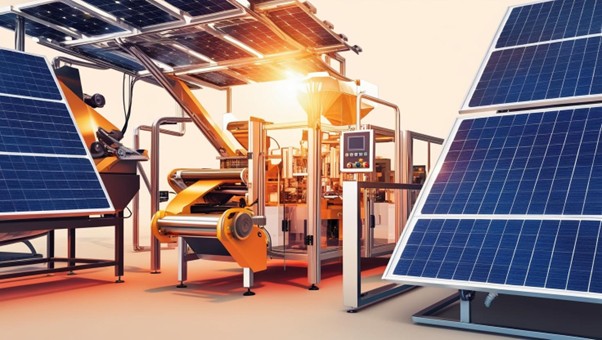
Solar Energy Meets Packaging

Solar Energy Meets Packaging: A New Era of Sustainable Innovation The worlds of solar energy and packaging may seem miles apart—but at their intersection lies one of the most exciting frontiers for sustainability and industrial innovation. As climate change, ESG targets, and circular economy models reshape global industries, businesses are seeking ways to integrate renewable energy and eco-friendly materials. The solar and packaging sectors, once distinct, are now collaborating in unexpected ways to create smarter, greener supply chains. Solar Energy in Packaging Operations Powering Packaging Plants with Solar Manufacturing packaging—whether it’s plastic, paper, metal, or glass—is energy-intensive. With fossil fuel prices rising and carbon regulations tightening, many packaging companies are turning to solar power to run their operations. Real-world examples: Tetra Pak India installed solar rooftop panels across multiple plants, reducing their energy bills and carbon emissions. Amcor is actively working towards its 2025 sustainability goals by integrating renewable energy across its production sites globally. Benefits for Packaging Manufacturers Reduced operating costs: Lower electricity bills with solar Carbon neutrality goals: Easier reporting for ESG Green branding: Better perception among eco-conscious customers and B2B Solar Panel Packaging: A Rising Niche Segment Solar Needs Specialized Packaging Solar panels are fragile, heavy, and high-value. Their packaging must: Protect sensitive photovoltaic cells from Shield panels from dust, static, and moisture during Be recyclable or biodegradable, in line with green energy Material Innovation in Solar Packaging Honeycomb cardboard and corrugated fiberboard are replacing Foam-in-place systems are used for high-precision Returnable packaging models are emerging, especially in B2B logistics of solar Case Study: India-based startup Skrap is working with solar installers to create reusable, modular packaging kits made from recycled paper pulp and jute liners. Solar Films & Printed Electronics in Smart Packaging The Rise of Solar-Powered Packaging Imagine a food package that powers a freshness indicator, or a logistics box that tracks location using solar-powered RFID. This is made possible with thin-film solar cells, integrated into flexible packaging. Organic photovoltaic (OPV) cells are printable, bendable, and light—making them perfect for packaging electronics. Used in pharma for temperature tracking, and in food for expiry Example: Swedish company Epishine has developed printed indoor solar cells that can power sensors inside packages, reducing reliance on button batteries. Packaging Waste from the Solar Industry The Dark Side: Waste from Solar Installations Ironically, the solar industry itself generates packaging waste. Panels come wrapped in multi-layered plastic and wooden crates. Accessories (cables, junction boxes, inverters) are shipped in polystyrene, bubble wrap, and single-use plastic. Solutions Emerging: Reverse logistics systems to collect and reuse Biodegradable foams made from mushrooms or starch replacing Industry alliances (like Solar Energy Industries Association – SEIA) setting packaging Solar-Powered Packaging Machines Off-Grid Machines for Rural Manufacturing In rural or off-grid areas, solar-powered packaging machines are transforming micro-enterprises: Food processors now use solar sealing machines for vacuum Small-scale units make biodegradable plates and cups using solar hydraulic Example: In Uttar Pradesh, India, a women-led SHG (self-help group) uses solar dryers and packaging units for dried mango and jackfruit chips, selling under a local brand. Investment & Startup Opportunities The convergence of solar and packaging is opening up new white spaces: Designing lightweight packaging for solar Startups creating solar-powered kiosks that dispense packaged R&D in printable solar for smart packaging. Investors are increasingly supporting businesses at this intersection as part of their impact investing portfolios. Next Steps for Businesses: Audit your packaging energy sources—can solar be integrated? Explore biodegradable options if you’re in the solar supply Partner with solar startups or packaging innovation labs to co-develop. Conclusion The convergence of solar energy and sustainable packaging is not just environmentally smart—it’s commercially strategic. As ESG goals become mainstream, and customers demand greener practices, businesses that innovate at this intersection are positioning themselves for long-term success. References: https://sinovoltaics.com/solar-basics/basics-of-solar-panel-packaging/ https://www.mgetenergy.com/blogs/solar-power-systems-for-the-packaging-industry-a-sustainable-future/

Solar Energy Meets Packaging Read More »

The Engineering of Machinery Relocation: Moving More Than Just Machines

The Engineering of Machinery Relocation

The Engineering of Machinery Relocation: Moving More Than Just Machines Relocating heavy industrial machinery is a complex, high-risk operation that blends engineering precision, logistical coordination, and an understanding of both equipment and the environments in which it operates. From relocating a single high-value printing press to shifting an entire production line across borders, machinery relocation demands meticulous planning, specialized skills, and a team that understands what’s at stake. As global manufacturers seek efficiency, expansion, or consolidation, machinery relocation has become more common than ever, especially in industries like packaging, printing, food processing, and plastics. In this blog, we unpack the challenges, the process, and the value of working with experts in machinery relocation. Why Machinery Relocation Is More Than a Move Machinery relocation isn’t just about disassembling and moving equipment from one point to another. It’s about ensuring that the same machine—often a critical part of the production line—restarts in a new location with zero compromise on performance. Production timelines, supply chain continuity, and financial goals usually depend on a flawless transition. A minor misalignment during installation or a delay in customs clearance can snowball into massive operational setbacks. Experience and attention to detail are non-negotiables in this line of work. The End-to-End Process of Machinery Relocation A successful machinery relocation project usually unfolds in well-defined phases. Here’s a closer look at each Planning & Assessment Every relocation begins with a detailed audit of the machinery, its condition, and the environments at both the current and future sites. This includes: Evaluating structural and power requirements at the new site Mapping each component’s disassembly and reassembly process Coordinating timelines to minimize downtime Identifying risks related to customs, shipping, and local compliance This planning stage sets the tone for everything that follows. Dismantling with Documentation Skilled technicians begin the careful dismantling process, using engineered drawings, tagging systems, and protective packaging. Every bolt, cable, and sensor is documented for error-free reassembly. In industries like flexible packaging and rotogravure printing, machines like Bobst, Cerutti, or Rotomec are precision-built. A single mishandled part could affect print registration or tension control, so documentation and handling are paramount. Safe Transport & Export Coordination Transportation—especially international—brings its own set of challenges. Customs documentation, international shipping laws, and packaging regulations must be managed alongside physical safety. Crating, vacuum sealing, or shock-proofing may be required for sensitive machinery. Working with clients like Huhtamaki in the UAE and Egypt, companies like INGSOL have developed a robust understanding of port protocols, packaging standards, and container utilization that keeps relocation smooth and secure. Reinstallation & Alignment At the new site, the machinery must be realigned to factory specifications. This includes: Base foundation and leveling Electrical and mechanical reconnection Calibration of sensors, drives, and pneumatic systems Integration with plant utilities and production lines This phase often includes retrofits or upgrades to match new production standards. Testing & Commissioning This is the most crucial stage. A machine must not only start—it must produce to spec from day one. Test runs are conducted, and adjustments are made for speed, accuracy, and efficiency. Operator training and documentation handover are also part of this process. Challenges in Machinery Relocation Despite its benefits, machinery relocation is fraught with technical and operational risks: Cross-border logistics: Import-export norms, duties, and timelines vary by country. Machine fragility: Older machines may need part replacements or retrofits during reassembly. New site readiness: Infrastructural gaps or mismatched utilities can delay installation. Manpower & expertise: Skilled technicians are essential to avoid costly rework. To overcome these, businesses increasingly rely on specialized partners who bring not only manpower but also strategy and foresight. Why Choose a Specialist Like INGSOL Companies like INGSOL Engineers bring end-to-end expertise to machinery relocation. With hands-on experience in relocating high-value machinery like W&H blown film lines, Rajoo Optimex extruders, and Bobst rotogravure presses, INGSOL has successfully executed complex projects across the UAE, Saudi Arabia, and Egypt. What sets a specialist apart is the ability to offer: Detailed planning with 3D layout design Certified mechanical and electrical engineers Quality assurance at every stage On-time delivery with minimal production loss Post-installation support and commissioning Whether it’s relocating a single unit or reconfiguring an entire production plant, INGSOL combines engineering depth with logistical muscle to deliver results. Conclusion: Moving with Confidence In today’s global industrial landscape, machinery relocation is no longer an occasional requirement—it’s a strategic move toward growth, efficiency, or expansion. The key lies in choosing the right partner who treats the relocation not just as a project, but as a critical step in your business continuity. With precision, planning, and the right expertise, your machine doesn’t just move—it starts fresh, performs better, and supports your vision for the future. References: https://readymachinery.com/understanding-the-machinery-moving-process-what-to-expect/ https://relopack.com/en/the-challenges-of-relocating-industrial-machinery/ https://aisvanguard.co.uk/navigating-the-challenges-of-industrial-machinery-relocations/

The Engineering of Machinery Relocation Read More »

Solar-Powered Gadgets: Innovations in Portable Energy

Innovations in Solar-Powered Gadgets

Solar-Powered Gadgets: Innovations in Portable Energy As the world grapples with the consequences of climate change and the increasing demand for clean energy, solar-powered gadgets have emerged as a game-changer in portable technology. What once began with simple calculators and garden lights has evolved into a wave of innovative devices that harness the sun’s power for a wide range of practical applications. Today, from charging your smartphone in the middle of a desert hike to purifying water in remote villages, solar-powered gadgets are redefining convenience, sustainability, and mobility. The Rise of Portable Solar Tech One of the key drivers behind the surge in solar-powered gadgets is the dramatic improvement in photovoltaic (PV) cell efficiency and battery storage capabilities. As these technologies become smaller, lighter, and more affordable, they are finding their way into everyday gadgets designed for urban users, travelers, campers, and even emergency responders. Solar-Powered Chargers and Power Banks Perhaps the most widely recognized solar-powered gadget is the solar charger. These compact panels, often foldable and lightweight, convert sunlight into electricity that can be used to charge phones, tablets, cameras, and other small electronics. Advanced solar power banks now come with high-capacity batteries, fast charging features, and weather-resistant designs, making them essential tools for travelers and outdoor enthusiasts. Brands like Anker, Goal Zero, and BigBlue offer rugged models that can fully charge a smartphone in just a few hours under direct sunlight. Solar Backpacks: Power While You Move Solar backpacks have become increasingly popular among hikers, students, and digital nomads. These backpacks integrate flexible solar panels into the fabric, allowing users to charge their devices while on the move. Some even include USB ports, battery storage, and LED indicators. Beyond just charging phones, solar backpacks have found applications in disaster relief zones and remote areas where electricity is a luxury. Solar-Powered Lights and Lanterns Solar lighting is one of the most transformative applications of portable solar power, especially in regions with limited access to electricity. Compact solar lanterns and torches, often equipped with LED bulbs and rechargeable batteries, provide reliable lighting for homes, campsites, and emergency kits. Some models, such as the Luci Solar Light, are inflatable, waterproof, and ultra-portable—perfect for both recreational use and humanitarian aid. In urban settings, solar garden lights and motion-sensor security lights are increasingly common, offering a sustainable alternative to grid-powered lighting without compromising on aesthetics or functionality. Wearable Solar Tech Wearable solar-powered devices represent the future of integrated energy solutions. Solar-powered watches have been around for years, with brands like Casio and Citizen offering long-lasting models. However, the innovation doesn’t stop there. Recent developments have led to the creation of solar-powered fitness bands, smartwatches, and even clothing embedded with thin, flexible PV cells that can harvest solar energy while being worn. This wearable solar technology has the potential to power sensors, track health data, and keep users connected without the need for frequent charging. Solar Cookers and Ovens Solar cookers are another remarkable innovation, especially for off-grid communities and environmentally conscious campers. These devices use reflective panels to concentrate sunlight and heat food without gas, firewood, or electricity. Brands like GoSun have designed portable solar ovens that can bake, boil, or fry food in just 20 minutes, making outdoor cooking both sustainable and convenient. These cookers not only reduce deforestation and pollution but also promote healthier lifestyles in developing regions. Solar-Powered Water Purifiers Clean water is still a challenge in many parts of the world, and solar-powered water purifiers are addressing this issue head-on. Devices like the SolarBag and SODIS (Solar Water Disinfection) systems use UV radiation and heat from sunlight to kill bacteria and viruses in contaminated water. These purifiers are lightweight, easy to use, and require no chemicals or electricity, making them invaluable in disaster relief, remote travel, and developing countries. Solar-Powered Coolers and Refrigerators Solar-powered coolers are revolutionizing outdoor adventures and medical logistics alike. These gadgets, equipped with solar panels and thermal insulation, can keep food and medicine cool without ice or power cords. Companies like GoSun and EcoSolarCool have developed solar fridges and coolers that are particularly useful for camping, picnics, or transporting vaccines in areas without reliable electricity. The Future of Portable Solar Energy As innovation continues, the line between gadget and energy source is blurring. Emerging technologies like solar-integrated drones, solar-powered tents, and even solar panel-equipped vehicles hint at a future where we generate and consume energy wherever we go. Moreover, advances in transparent solar panels and organic photovoltaics suggest that windows, fabrics, and everyday surfaces may soon double as energy-harvesting tools. Governments and tech companies are increasingly investing in solar research and incentives, pushing the boundaries of what’s possible in the portable energy space. The fusion of AI, IoT, and solar tech could lead to smart, autonomous devices that adapt to sunlight patterns, optimize power usage, and support sustainable living like never before. Conclusion Solar-powered gadgets are no longer niche novelties—they’re essential components of a more sustainable and mobile future. Whether you’re trekking through the Himalayas, living in an off-grid village, or simply commuting in a power-conscious city, these innovations offer freedom from fossil fuels and access to clean, renewable energy. As technology continues to evolve, solar-powered gadgets will not only empower individuals but also contribute to a more resilient and eco-friendly world. References: https://tamesol.com/en/solar-energy-innovations/ https://arka360.com/ros/solar-powered-cooling-benefits-challenges https://solarmagazine.com/solar-lights/

Innovations in Solar-Powered Gadgets Read More »

Solar Energy: Policy and Regulations – A Global Perspective

Solar Energy: Policy and Regulations

Solar Energy:Policy and Regulations – Global Perspective In recent decades, the growing urgency of climate change and energy security has pushed countries across the globe to embrace cleaner and more sustainable sources of power. Among them, solar energy has emerged as one of the most promising and scalable solutions. Governments worldwide are enacting a range of policies and regulations to promote solar energy adoption, reshaping the global energy landscape. From subsidies and tax incentives to net metering and grid integration policies, these measures are critical in creating favorable environments for both consumers and industries to transition to solar power. However, the approach varies widely across regions depending on economic capacities, political will, geographic potential, and development goals. United States and North America In the United States, solar energy policy is driven by a mix of federal and state-level incentives. The federal government offers the Solar Investment Tax Credit (ITC), which has significantly spurred the growth of residential and commercial solar installations since its inception. States further incentivize solar with Renewable Portfolio Standards (RPS), requiring utilities to procure a certain percentage of electricity from renewable sources. Net metering policies, which allow customers to sell excess solar power back to the grid, also vary by state and play a major role in promoting solar installations. Canada, though more focused on hydroelectricity, is also making strides in solar policy through feed-in tariffs and provincial incentives, particularly in Ontario. European Union: A Unified Push for Green Energy The European Union (EU) represents one of the most cohesive efforts in supporting solar energy. Through its European Green Deal and Renewable Energy Directive, the EU has established binding targets to achieve net-zero emissions by 2050. Member states are obligated to meet individual renewable energy targets and submit detailed national energy and climate plans. Germany’s Energiewende (Energy Transition) policy is perhaps the most recognized example, offering feed-in tariffs, strong subsidies, and citizen-friendly investment models to boost solar adoption. France, Spain, and Italy have also updated their solar frameworks to support utility-scale solar and rooftop installations, alongside streamlined permitting processes. India: Ambitious Targets Amid Challenges India has set one of the most ambitious solar goals under its National Solar Mission, aiming for 280 GW of solar capacity by 2030. The country’s policy framework includes capital subsidies, viability gap funding, solar parks, and renewable purchase obligations for power distribution companies. Policies are centrally driven by the Ministry of New and Renewable Energy (MNRE), with additional incentives at the state level. However, challenges such as land acquisition, grid integration, and the financial health of distribution companies pose barriers. Nonetheless, India’s push for decentralised solar, particularly through rooftop and agricultural solar pump schemes, demonstrates a commitment to inclusive and scalable solutions. Africa and the Middle East: Unlocking Solar Potential The African continent, with its vast solar potential, is gradually building momentum through supportive regulatory frameworks. Countries like Morocco, South Africa, and Egypt have introduced competitive bidding systems, long-term power purchase agreements (PPAs), and public-private partnerships to attract solar investments. Morocco’s Noor Solar Complex and Egypt’s Benban Solar Park are landmark examples. However, in many sub-Saharan countries, policy uncertainty, financing challenges, and weak grid infrastructure limit solar expansion. In the Middle East, oil-rich nations like the UAE and Saudi Arabia are now investing heavily in solar as part of broader economic diversification strategies, offering competitive tenders and long-term energy visions. Latin America: Competitive Tenders and Clean Energy Goals Latin American countries have taken notable steps to integrate solar into their energy mix through policy reforms and auction mechanisms. Brazil, Chile, and Mexico have adopted clean energy auctions that allow solar developers to compete for long-term contracts, often at highly competitive prices. Chile’s deregulated power market and abundant solar resources in the Atacama Desert make it a solar hotspot. Mexico’s energy reform initially attracted significant solar investments, though recent regulatory shifts have introduced uncertainty. Overall, policy-driven growth remains a defining feature of Latin America’s solar journey, with a strong push for low-carbon energy as part of broader economic sustainability. Global Trends and Regulatory Innovations Globally, several regulatory trends are becoming more prominent. Net metering and virtual net metering are helping increase consumer-level participation. Grid access rules are evolving to accommodate distributed solar and battery storage. Many nations are now creating dedicated solar zones and reducing bureaucratic red tape for project approvals. Carbon pricing and emission trading schemes are also influencing solar investment decisions. Importantly, financial de-risking instruments from institutions like the World Bank and the Green Climate Fund are enabling solar projects in developing economies. Conclusion The global landscape of solar energy policy and regulation reflects a dynamic interplay between technological innovation, political will, and market economics. While the nature and scale of policies differ, the overarching aim remains consistent: accelerating the transition to a cleaner, more sustainable energy future. As climate targets become more stringent and solar technologies more affordable, robust policy support will continue to play a pivotal role in unlocking the full potential of solar power worldwide. However, harmonizing these policies with grid development, financing mechanisms, and inclusive energy access will be key to ensuring that solar energy not only thrives but also transforms lives at scale. References: https://mnre.gov.in/en/solar-overview/ https://www.sunbasedata.com/blog/emerging-trends-in-solar-energy-a-global-perspective https://www.iea.org/commentaries/europe-s-clean-energy-future-can-only-be-delivered-through-unified-action https://www.epa.gov/green-power-markets/policies-and-regulations https://www.weforum.org/stories/2022/09/africa-solar-power-potential/

Solar Energy: Policy and Regulations Read More »

How Solar Energy Was Introduced in India and How It Is Spreading Its Magic

How Solar Energy Was Introduced in India

How Solar Energy Was Introduced in India and How It Is Spreading Its Magic In a country where sunlight shines for more than 300 days a year, solar energy was a sleeping giant waiting to be awakened. Over the last two decades, India has witnessed a remarkable journey in renewable energy, with solar power emerging as a game-changer. What began as a small step toward clean energy has become a nationwide movement, empowering millions and redefining how we think about power generation. Here’s how solar energy was introduced in India—and how it’s spreading its magic today. The Early Days: A Spark in the 1970s The concept of using solar energy in India dates back to the 1970s, when the global oil crisis prompted countries to look for alternative energy sources. At that time, India launched its first solar energy programs through government research and pilot projects. However, limited technology, high costs, and low awareness made it difficult for solar to move beyond laboratories and experimental projects. The real push began in the 1980s and 1990s when India started investing in renewable energy research through institutions like the Ministry of Non-Conventional Energy Sources (now the Ministry of New and Renewable Energy or MNRE). These efforts laid the groundwork for a solar revolution that would take off in the next millennium. The Turning Point: Jawaharlal Nehru National Solar Mission (JNNSM) The real turning point came in 2010 with the Jawaharlal Nehru National Solar Mission (JNNSM) launch under the National Action Plan on Climate Change. This policy aimed to make India a global leader in solar energy by promoting large-scale grid-connected projects and encouraging the adoption of off-grid solutions. The goal was ambitious: to install 20 GW of solar capacity by 2022. Prime Minister Narendra Modi revised this target to 100 GW in 2015 as part of India’s broader commitment to renewable energy. The revised target included 60 GW from utility-scale solar and 40 GW from rooftop solar. The mission introduced various policies and incentives, such as: Feed-in tariffs and viability gap funding. Subsidies for rooftop solar installations. Net metering policies allow users to sell excess power back to the grid. Solar parks and green energy corridors. These initiatives catalyzed private sector investment and helped bring down the cost of solar electricity drastically. Falling Costs, Rising Power One of the most magical aspects of India’s solar story is the dramatic fall in solar power costs. In 2010, the cost of solar electricity in India was over ₹17 per unit. As of 2024, it has dropped to around ₹2-3 per unit, cheaper than coal in many cases. This decline was driven by: Mass production of solar panels, especially in China. Competitive bidding and reverse auctions. Technological advancements and innovation. Government incentives and international financing. Today, India is home to some of the world’s largest solar parks, such as the Bhadla Solar Park in Rajasthan, which has a capacity of over 2,245 MW and covers more than 14,000 acres. Reaching Homes and Villages Solar energy in India is not limited to massive farms or urban rooftops—it has made its way into remote villages and rural homes. Off-grid solar solutions like solar lanterns, water pumps, and mini-grids have brought light and power to areas where traditional electricity had never reached. Organizations like Selco, Tata Power Solar, and Husk Power Systems have played a major role in this rural solar revolution. Today, millions of people in India use solar to power their homes, mobile phones, irrigation systems, and even local businesses. In states like Uttar Pradesh, Bihar, and Jharkhand, mini solar grids have replaced polluting diesel generators and unreliable electricity supply. In Rajasthan and Gujarat, farmers use solar pumps to irrigate fields without depending on erratic power lines. Rooftop Solar and Urban Adoption In cities, rooftop solar has gained momentum, especially among educational institutions, housing societies, and commercial buildings. Programs like SRISTI (Sustainable Rooftop Implementation for Solar Transfiguration of India) and Solar City Initiatives have encouraged urban populations to turn their rooftops into power plants. Net metering policies and falling panel prices have made it feasible for families to install solar and reduce their power bills significantly. States like Gujarat, Maharashtra, and Delhi are leading in rooftop solar installations. India’s Global Position India is now the 5th largest solar power producer in the world. The country is also playing a leadership role globally through the International Solar Alliance (ISA)—a treaty-based coalition of 100+ sunshine-rich countries, headquartered in Gurugram. The ISA aims to mobilize $1 trillion in solar investments by 2030 and promote affordable solar power across the globe. The Road Ahead: A Brighter, Greener Future As of early 2025, India has crossed 75 GW of installed solar capacity. But this is just the beginning. The next phase includes: Scaling up rooftop installations in residential buildings. Solarizing agriculture through KUSUM (Kisan Urja Suraksha evam Utthaan Mahabhiyan). Hybrid systems combining solar with wind and battery storage. Creating green jobs and boosting domestic solar manufacturing under the Atmanirbhar Bharat vision. With supportive policies, public awareness, and innovative business models, solar energy is not just an environmental solution—it’s an economic and social transformation. Conclusion From a fledgling experiment to a nationwide mission, solar energy in India has come a long way. It is lighting homes, fueling industries, empowering rural communities, and reducing our carbon footprint. As we move forward, the sun is no longer just a source of light, it is rather a symbol of India’s sustainable future. The magic of solar is real, and it’s only just begun to shine. References:https://www.investindia.gov.in/blogs/indias-solar-power-revolution-leading-way-renewable-energy https://www.indiascienceandtechnology.gov.in/st-visions/national-mission/jawaharlal-nehru-national-solar-mission-jnnsm https://mnre.gov.in/en/solar-overview/

How Solar Energy Was Introduced in India Read More »

Solar Energy Financing Options

Solar Energy Financing Options

Solar Energy Financing Options: Understanding Loans, Leases, and PPAs As the demand for clean, renewable energy grows, solar power has become a practical and increasingly popular choice for homeowners and businesses. While the cost of solar panel technology has decreased significantly over the last decade, the initial investment still poses a barrier for many. Various financing models have emerged to bridge that gap, most notably solar loans, leases, and power purchase agreements (PPAs). Each option serves different financial situations and energy goals, so it’s important to understand how they work before committing. Solar Loans: Investing in Ownership A solar loan is essentially a financing tool that lets you purchase a solar energy system upfront, but pay for it over time. You retain ownership from day one, which opens the door to valuable incentives such as the federal Investment Tax Credit (ITC), state-level rebates, and potential property tax exemptions. Because you own the system, any long-term savings from reduced electricity bills go directly to you. These loans typically come in two forms: secured (tied to home equity) and unsecured (based on creditworthiness alone). Solar loans are ideal for homeowners who view solar panels as a long-term investment. Ownership often leads to the highest return over the system’s lifespan, usually 25 years or more. However, you are also taking on the responsibility for maintenance, unless you purchase a service package or extended warranty. Some solar providers bundle loans with performance guarantees to ease this concern. Solar Leases: Access Without Ownership With a solar lease, the solar company installs and retains ownership of the system, while you pay a fixed monthly fee to use the electricity it generates. This setup appeals to those who want to avoid a large upfront expense and aren’t interested in managing or maintaining the system. The solar provider typically handles all servicing and performance monitoring. Leases usually span 15 to 25 years and are designed to offer predictable, stable payments. However, because you do not own the system, you are not eligible for tax credits or incentives. Additionally, transferring a lease to a new homeowner can be a sticking point during a property sale—some buyers may be reluctant to assume the lease unless the savings are demonstrated. Power Purchase Agreements (PPAs): Buy the Power, Not the Panels A PPA shares similarities with a lease in that the solar provider owns and maintains the system. However, rather than paying a flat monthly fee, you pay only for the electricity your system produces, typically at a rate lower than your local utility. This usage-based billing model can lead to immediate monthly savings without the need for a loan or large cash investment. PPAs are popular in both residential and commercial markets due to their flexibility and minimal financial barrier to entry. However, some agreements include escalation clauses that gradually increase your per-kilowatt-hour (kWh) cost over time, potentially narrowing the savings margin in later years. And like leases, PPAs can complicate the resale process if prospective buyers are unwilling to inherit the agreement. Deciding Which Option Fits You The right financing model depends largely on your financial goals, how long you plan to stay in your home, and your appetite for ownership. For instance, if maximizing financial return and long-term energy independence is your priority, a loan likely makes the most sense. If you’re more interested in short-term savings with minimal hassle, then a lease or PPA could be the better fit. Each of these options serves a unique need. Loans offer autonomy and financial return, leases provide convenience, and PPAs deliver affordability with zero maintenance. Comparing quotes from multiple providers and reviewing contract terms carefully can help you avoid hidden fees or unfavorable clauses, such as rate escalators or early termination penalties. The Broader Impact of Financing Solar Regardless of the path chosen, solar financing is playing a critical role in accelerating the adoption of renewable energy across the country. These models make it possible for more people to benefit from clean power without requiring the full upfront cost. In turn, this expands access to solar energy beyond affluent homeowners, contributing to broader sustainability goals and grid resilience. Final Thoughts Navigating solar financing doesn’t have to be overwhelming. By understanding the structure and implications of loans, leases, and PPAs, you can align your choice with your budget, lifestyle, and environmental values. Whichever option you choose, you’re contributing to a more sustainable future—one that benefits not only your household but also your community and the planet. References:https://ppp.worldbank.org/public-private-partnership/sector/energy/energy-power-agreements/power-purchase-agreements https://energyselectllc.com/solar-own-vs-lease/ https://www.myhomesolar.uk/financing-solar-energy-loans-leases-and-ppas-explained/

Solar Energy Financing Options Read More »

Solar Energy Storage Solutions: The Future of Renewable Energy

Solar Energy Storage Solutions

Solar Energy Storage Solutions: The Future of Renewable Energy Solar energy has emerged as a cornerstone of the global renewable energy movement as the world shifts towards cleaner and more sustainable power sources. But sunlight is intermittent by nature. It shines only during the day and not always consistently. So, how do we keep the lights on when the sun goes down? The answer lies in solar energy storage solutions. These technologies are rapidly evolving, bridging the gap between generation and consumption, and unlocking solar power’s true potential. From cutting-edge battery systems to next-gen alternatives, solar storage is not just supporting renewable energy—it’s defining its future. Why Solar Energy Needs Storage Bifacial solar panels are designed to capture sunlight from both the front and rear sides of the panel. While the front side operates like any conventional panel, the rear side captures sunlight reflected off surfaces like the ground, rooftops, or nearby buildings. This dual exposure allows them to generate more electricity from the same panel area. They are typically constructed with transparent back sheets or dual glass layers, allowing light to pass through or reflect onto the rear photovoltaic (PV) cells. The use of high-efficiency monocrystalline cells, especially PERC (Passivated Emitter and Rear Cell) or n-type cells, further enhances their performance. Lithium-Ion Batteries: The Current Gold Standard The most widely used solution in solar storage today is the lithium-ion battery. Known for their high energy density, fast charging times, and long lifespan, lithium-ion batteries power everything from smartphones to electric vehicles—and now, solar homes. Popular systems like Tesla Powerwall, LG Chem RESU, and Enphase IQ Battery have brought sleek, scalable battery storage to residential and commercial solar setups. Advantages of lithium-ion batteries include: High energy efficiency (90–95%) Compact and modular designs Minimal maintenance Long cycle life (up to 6,000+ charge-discharge cycles) However, their limitations include cost, temperature sensitivity, and dependence on mined materials like cobalt and lithium. That’s why researchers and innovators are looking beyond lithium-ion for the next big leap. Flow Batteries: The Long-Duration Contender One of the most promising alternatives is the flow battery. Unlike traditional batteries that store energy in solid electrodes, flow batteries use liquid electrolytes stored in external tanks, which makes them scalable and highly durable. Key benefits of flow batteries: Longer discharge durations (ideal for grid-scale use) Deep cycling with minimal degradation Easy scalability by increasing the tank size Long lifespan (up to 20 years) Flow batteries—such as vanadium redox flow batteries (VRFBs)—are gaining traction in large-scale solar farms, microgrids, and industrial applications. They are especially valuable where reliability and long-duration storage are critical. Thermal Energy Storage: Turning Heat into Power Thermal energy storage systems store excess solar energy as heat, which can later be used to generate electricity or provide heating and cooling. Examples include: In concentrated solar power (CSP) plants, Molten salt systems can store heat at high temperatures for up to 10 hours. Phase change materials (PCMs absorb and release heat at specific temperatures. Solar water heaters with insulated tanks that store heated water for domestic or industrial use. Hydrogen Storage: Solar to Fuel Hydrogen is another frontier in solar energy storage. Using excess solar electricity to power electrolysis, water can be split into hydrogen and oxygen. The hydrogen is then stored and later used in fuel cells or burned to produce electricity. Benefits of hydrogen storage: Extremely long-duration energy storage (days to seasons) Zero emissions when produced and used cleanly Potential for use in transportation, industry, and electricity While the technology is still emerging, green hydrogen could become a pillar of future energy systems, especially for off-grid applications and heavy-duty sectors. Smart Grids & Virtual Power Plants Storage is no longer limited to physical batteries. Advanced software and grid technology are redefining how solar energy is stored and shared. Smart inverters and AI-based energy management systems help optimize when and how stored energy is used or sold back to the grid. Virtual Power Plants (VPPs) connect thousands of small batteries (residential and commercial) into a unified network, allowing them to respond to grid demand like a utility-scale power plant. These digital innovations make solar + storage more efficient, responsive, and profitable. Recycling & Sustainability in Storage As battery use grows, so does the need for responsible disposal and recycling. New advances in battery recycling technology aim to recover valuable materials like lithium, cobalt, and nickel, reducing the need for virgin mining and making storage more sustainable in the long run. Companies like Redwood Materials and Li-Cycle are leading the charge in building circular ecosystems for solar battery components. The Road Ahead The future of solar energy isn’t just about bigger panels or more sun—it’s about smarter, more efficient storage solutions. As prices fall and technologies mature, energy storage will become an integral part of every solar installation, from rural homes to urban high-rises and massive solar farms. By investing in energy storage now, we’re not just supporting solar; we’re building an energy system that is cleaner, more reliable, and truly 24/7. The sun doesn’t always shine, but with the right storage, solar power never sleeps. References:https://aurorasolar.com/blog/storing-solar-energy-everything-you-need-to-know/ https://www.arrow.com/en/research-and-events/articles/virtual-power-plants-and-future-of-smart-grids https://enertechups.com/blog/solar-hydrogen-energy-storage/#:~:text=Solar%20%2B%20hydrogen%20is%20a%20more,make%20fuel%20cells%20more%20efficient.

Solar Energy Storage Solutions Read More »

The Benefits of Bifacial Solar Panels

The Benefits of Bifacial Solar Panels

The Benefits of Bifacial Solar Panels: Doubling Down on Sunlight for Greater Efficiency As the world races toward renewable energy solutions, solar power continues to shine as one of the most scalable and sustainable options. While traditional monoracial solar panels have been the standard for decades, the rise of bifacial solar panels is reshaping the solar landscape with their impressive performance and adaptability. These panels are not just the future—they’re already making a powerful impact. But what exactly are bifacial solar panels? Why are they gaining so much traction? What Are Bifacial Solar Panels? Bifacial solar panels are designed to capture sunlight from both the front and rear sides of the panel. While the front side operates like any conventional panel, the rear side captures sunlight reflected off surfaces like the ground, rooftops, or nearby buildings. This dual exposure allows them to generate more electricity from the same panel area. They are typically constructed with transparent back sheets or dual glass layers, allowing light to pass through or reflect onto the rear photovoltaic (PV) cells. The use of high-efficiency monocrystalline cells, especially PERC (Passivated Emitter and Rear Cell) or n-type cells, further enhances their performance. Increased Energy Output The most prominent benefit of bifacial solar panels is higher energy yield. Depending on installation and environmental factors, they can deliver up to 10-30% more energy than monofacial panels. In some optimized conditions—such as installations over highly reflective surfaces like white rooftops, desert sand, or snow—this gain can be even greater. This enhanced performance translates directly into better return on investment (ROI) and reduced levelized cost of energy (LCOE). Better Performance in Diffused Light Unlike monoracial panels, which rely solely on direct sunlight, bifacial panels can also harvest energy from indirect and diffused light. Cloudy weather or urban environments with light bouncing off buildings and roads no longer result in a major drop in energy generation. This makes bifacial systems particularly effective in regions with variable weather, enhancing overall system resilience. Longer Lifespan and Durability Most bifacial panels are built with dual-glass construction, which increases mechanical strength and durability. Glass-on-glass modules are less prone to moisture ingress, UV degradation, and microcracking, making them ideal for harsh climates or high-humidity zones. This robust construction extends the panel’s lifespan to 30 years or more, often with lower degradation rates compared to conventional modules. Improved Aesthetics and Design Flexibility Bifacial panels can be used in innovative architectural applications—such as solar canopies, carports, pergolas, and facades—where aesthetics matter. Their semi-transparent appearance and ability to generate power from ambient light make them ideal for building-integrated photovoltaics (BIPV). This opens the door to more creative solar installations that blend function with form. Lower Balance of System (BoS) Costs Thanks to their higher efficiency, bifacial systems often require fewer panels to achieve the same energy output as monofacial systems. This reduces associated costs like: Racking and mounting systems Cables and connectors Labor for installation Inverter capacity requirements In ground-mounted or elevated installations (like trackers or canopy structures), this effect is even more pronounced. Enhanced Compatibility with Solar Trackers Bifacial panels pair exceptionally well with single-axis or dual-axis solar trackers. As trackers follow the sun’s movement across the sky, they increase direct light exposure on the front side while allowing more reflected light to reach the rear. This synergy can maximize bifacial gain, pushing system efficiency to unprecedented levels in utility-scale solar farms. Things to Keep in Mind While bifacial panels offer numerous advantages, a few considerations are essential: Site suitability: For maximum rear-side gain, surfaces should be reflective (white gravel, concrete, sand, snow). Installation height and tilt: Elevating panels and optimizing tilt angles can improve rear irradiance exposure. Shading: Avoid rear-side obstructions like nearby structures or thick vegetation. Accurate modeling: Energy yield simulations for bifacial systems require advanced tools and precise data. Conclusion Bifacial solar panels are more than just an upgrade—they represent a smarter, more efficient, and visually appealing way to harness solar power. By tapping into reflected and diffused light, they unlock a new dimension of energy generation that brings long-term savings, higher output, and greater design freedom. As solar technology continues to evolve, bifacial panels are poised to become a mainstream choice in both commercial and residential sectors. Whether you’re a solar developer, architect, or environmentally conscious homeowner, bifacial modules offer a compelling reason to think beyond the face of traditional PV systems. References: https://intersolarsystems.com/how-bifacial-solar-panels-produce-more-electricity-than-rest https://www.solarsquare.in/blog/bifacial-solar-panel

The Benefits of Bifacial Solar Panels Read More »

The Role of Blockchain in Peer-to-Peer Solar Energy Trading

The Role of Blockchain in Solar Energy Trading

The Role of Blockchain in Peer-to-Peer Solar Energy Trading As the world pivots toward cleaner and more decentralized sources of energy, solar power has emerged as a leading solution in the fight against climate change. However, traditional energy distribution systems—centralized, monopolized, and often inefficient—do not fully align with solar energy’s decentralized nature. In this evolving landscape, blockchain technology is revolutionizing how solar energy is traded, especially in peer-to-peer (P2P) networks, making energy systems more democratic, secure, and transparent. The Challenge with Traditional Energy Systems In most countries, electricity is generated at large power plants and distributed through a centralized grid controlled by a few utility companies. Even if a household installs solar panels and generates excess energy, selling that surplus back to the grid is often limited, bureaucratic, or economically unfeasible. Consumers have minimal control over how they buy, sell, or trade energy. Moreover, central systems are prone to single points of failure, lack transparency, and often come with high transaction or operational costs. These constraints make it difficult for small producers—like individual households with solar panels—to participate actively in the energy market. This is where blockchain steps in. What is Blockchain? Blockchain is a distributed ledger technology that records transactions in a secure, immutable, and transparent manner across a decentralized network. Once data is added to the blockchain, it cannot be altered or deleted, ensuring the integrity and traceability of each transaction. In the context of solar energy trading, blockchain can eliminate the need for intermediaries, create trust between unknown parties, and enable real-time, automated transactions via smart contracts. Peer-to-Peer Solar Trading: How It Works Imagine a neighborhood where several homes have solar panels. Some produce more electricity than they need, while others still draw power from the grid. With a blockchain-based P2P energy trading platform, producers can sell their excess solar energy directly to neighbors who need it—without relying on utility companies. Each unit of energy generated is tokenized and recorded on the blockchain. Using smart meters and smart contracts, the system automatically tracks generation, consumption, pricing, and payments. Transactions occur seamlessly, with all participants having real-time access to energy data and market rates. Here’s a simplified example: Home A generates 10 extra kWh of solar energy. Home B needs 5 kWh and agrees to pay a fair market price. A smart contract is triggered: the blockchain verifies the availability, completes the transaction, transfers the tokens (representing energy), and updates the ledger. Benefits of Blockchain in P2P Solar Trading 1. Decentralization and Democratization Blockchain enables decentralization, allowing anyone with solar panels to become a producer and seller of energy. It removes gatekeepers and gives communities direct control over their energy transactions. 2. Transparency and Trust All transactions are publicly recorded on the blockchain, ensuring transparency. Consumers can trust that they’re getting what they pay for, and producers are assured of payment. 3. Security and Tamper-Proof Records Blockchain’s cryptographic security ensures that transaction data is immutable and safe from tampering. This is crucial for billing, energy credits, and dispute resolution. 4. Lower Costs Eliminating intermediaries and automating transactions via smart contracts reduces administrative overhead and transaction fees. 5. Real-Time Trading With IoT-enabled smart meters and blockchain integration, energy trading becomes dynamic and real-time, adjusting instantly based on supply and demand. Real-World Examples Several pilot projects around the world are already showcasing the potential of blockchain in P2P energy trading: Power Ledger (Australia): One of the pioneers in this space, Power Ledger allows households to trade excess solar power using blockchain. Their platform has been adopted in multiple countries, including India and the U.S. Brooklyn Microgrid (USA): A project by LO3 Energy, the Brooklyn Microgrid lets residents generate and trade solar energy locally using blockchain, fostering community-driven energy markets. EDF & Electron (UK): Energy giant EDF is experimenting with blockchain through partnerships with startups like Electron to enable flexible trading and decentralized grid services. Challenges and the Road Ahead While promising, blockchain-based P2P energy trading still faces several challenges: Regulatory Hurdles: Most countries have strict regulations around energy trading, which can hinder the implementation of decentralized systems. Infrastructure Requirements: Smart meters, IoT devices, and internet access are prerequisites, which might be limited in rural or underdeveloped areas. Scalability: Blockchain platforms must scale efficiently to handle a large number of transactions without compromising speed or cost. Public Awareness: For P2P trading to become mainstream, consumers need education about the benefits and workings of blockchain energy systems. Conclusion Blockchain is not just a buzzword—it is an enabling technology that can reshape how we produce, consume, and trade energy. By allowing secure, transparent, and decentralized transactions, blockchain empowers everyday citizens to participate actively in the energy ecosystem. Peer-to-peer solar energy trading through blockchain has the potential to make energy cleaner, cheaper, and more accessible. As more countries embrace decentralized energy models and smart infrastructure, blockchain could become the backbone of the next-generation energy grid—one that is local, resilient, and inclusive. References: https://www.tandfonline.com/doi/full/10.1080/01605682.2024.2441224#:~:text=Blockchain%20technology%20in%20energy%20trading,et%20al.%2C%202021). https://www.sciencedirect.com/science/article/abs/pii/S0045790621002780 https://powerline.net.in/2020/07/10/pilot-runs/

The Role of Blockchain in Solar Energy Trading Read More »

The Rise of Floating Solar Farms: A Sustainable Solution for Land Constraints

The Rise of Floating Solar Farms

The Rise of Floating Solar Farms: A Sustainable Solution for Land Constraints As the global demand for renewable energy surges, floating solar farms have emerged as an innovative and sustainable solution to address the limitations of land availability. Unlike traditional land-based solar farms, floating solar installations are deployed on water bodies such as reservoirs, lakes, and even coastal areas, making them an attractive alternative for regions struggling with land scarcity. This technology is gaining traction worldwide due to its efficiency, scalability, and environmental benefits. Understanding Floating Solar Farms Floating solar farms, also known as floatovoltaics, consist of photovoltaic (PV) panels mounted on buoyant structures that rest on the surface of water bodies. These floating arrays function similarly to traditional solar farms, capturing sunlight and converting it into electricity. However, their placement on water brings unique advantages, making them a promising solution for energy production in densely populated regions and areas where land is a premium resource. The Growth and Adoption of Floating Solar Technology The adoption of floating solar farms has accelerated significantly over the past decade. According to the World Bank, the global potential for floating solar installations is estimated at 400 GW, roughly equivalent to the total installed solar capacity worldwide in 2017. Several factors have contributed to the rise of floating solar farms: Land Constraints: Countries with high population densities, such as Japan, South Korea, and India, are turning to floating solar farms to generate renewable energy without occupying valuable land that could be used for agriculture or infrastructure development. Technological Advancements: Improvements in PV panel efficiency, buoyant platforms, and anchoring systems have enhanced the viability of floating solar projects, making them more reliable and cost-effective. Government Support and Policies: Many governments are incentivizing floating solar farms through subsidies, tax benefits, and renewable energy targets to accelerate the transition toward clean energy. Benefits of Floating Solar Farms Floating solar technology offers multiple benefits that make it an attractive solution for energy production: Efficient Land Use One of the primary advantages of floating solar farms is that they do not require extensive land use. By utilizing underutilized water surfaces such as reservoirs and wastewater treatment ponds, these installations help conserve land for agricultural, industrial, and residential purposes. Enhanced Energy Generation The cooling effect of water significantly improves the efficiency of floating solar panels. Traditional solar panels often experience performance loss due to overheating, whereas floating panels maintain lower temperatures, allowing them to generate 10-15% more electricity than their land-based counterparts. Reduced Water Evaporation Floating solar farms provide a protective layer over water bodies, reducing evaporation rates. This is particularly beneficial in arid regions where water conservation is crucial for agriculture and water supply. Minimized Environmental Impact Unlike traditional power plants that rely on fossil fuels, floating solar farms produce clean energy without air pollution or carbon emissions. Additionally, they can be installed on existing water reservoirs, avoiding deforestation or habitat destruction associated with land-based solar farms. Potential for Hybrid Energy Solutions Floating solar farms can be integrated with existing hydroelectric dams, creating hybrid renewable energy solutions. By combining solar and hydroelectric power, energy generation can be optimized to ensure a stable and continuous electricity supply. Challenges and Limitations Despite their numerous advantages, floating solar farms face several challenges that need to be addressed for wider adoption: High Initial Costs: The installation of floating solar farms requires specialized infrastructure, such as buoyant platforms and anchoring systems, which can increase upfront investment costs compared to traditional solar farms. Structural Durability: Floating solar farms must withstand water currents, strong winds, and extreme weather conditions, necessitating robust designs and regular maintenance. Environmental Concerns: While floating solar farms reduce evaporation and algae growth, they may also impact aquatic ecosystems by altering sunlight penetration and oxygen levels in the water. Regulatory Hurdles: Many regions lack clear policies and regulations regarding floating solar installations, leading to delays in project approvals and implementation. Notable Floating Solar Projects Worldwide Several countries have embraced floating solar technology, leading to the development of large-scale projects: China: Home to some of the largest floating solar farms, including the 150 MW installation in Anhui province, built on a former coal mining area turned into a lake. Japan: With limited land availability, Japan has developed multiple floating solar projects, including the 13.7 MW Yamakura Dam Floating Solar Plant. India: The country is investing heavily in floating solar, with projects like the 100 MW Ramagundam Floating Solar Plant in Telangana, one of the largest in South Asia. Netherlands: Known for its innovative renewable energy solutions, the Netherlands has developed multiple floating solar farms on artificial lakes and water reservoirs. The Future of Floating Solar Farms As technology advances and costs continue to decline, the future of floating solar farms looks promising. The integration of bifacial solar panels (which capture sunlight from both sides) and energy storage solutions will further enhance the efficiency and reliability of floating solar power. Moreover, as climate change intensifies the need for sustainable energy solutions, floating solar farms will play an essential role in reducing carbon footprints and meeting renewable energy targets worldwide. Conclusion Floating solar farms represent a transformative approach to solar energy generation, offering a practical solution for areas with limited land availability. By harnessing the power of water bodies, these installations maximize energy output, reduce environmental impact, and contribute to global efforts in transitioning to clean energy. While challenges exist, continued research, policy support, and technological advancements will drive the widespread adoption of floating solar farms, paving the way for a more sustainable energy future. References: https://www.tatapower.com/blogs/floating-solar-panels-powering-sustainability-from-water-bodies#:~:text=Benefits%20of%20floating%20solar%20technology,-1.&text=By%20utilizing%20vast%20water%20bodies,without%20encroaching%20on%20essential%20land. https://www.dnv.com/publications/the-future-of-floating-solar-224530/ https://time.com/china-massive-floating-solar-field/ https://www.ysgsolar.com/blog/5-largest-floating-solar-farms-world-2022-ysg-solar/#:~:text=Three%20Gorges%20New%20Energy%20Floating,the%20grid%20in%20December%202017.

The Rise of Floating Solar Farms Read More »

Different Types of Solar Panels

4 Types of Solar Panels

Different Types of Solar Panels The solar energy industry has seen rapid advancements in technology, leading to various types of solar panels designed for different needs. Understanding these types is essential for making informed decisions on installation, efficiency, and cost-effectiveness. Below, we explore four primary types of solar panels: Monocrystalline, Polycrystalline, thin film, and passive emitter and Rear Cell (PERC) panels. Monocrystalline Solar Panels Monocrystalline solar panels are made from a single crystal of silicon, which allows electrons to move more freely and results in higher efficiency. These panels typically have an efficiency range between 18-22%, making them one of the most effective options available. Their sleek, uniform black appearance makes them aesthetically appealing, especially for residential rooftops. Additionally, they have a lifespan of 25-30 years, making them a durable and long-term investment. Another advantage of monocrystalline panels is their superior performance in high temperatures compared to other types. They require less space for installation, making them ideal for both residential and commercial buildings where space is limited. However, these advantages come at a higher price, as monocrystalline panels are more expensive due to their advanced manufacturing process. Polycrystalline Solar Panels Unlike monocrystalline panels, polycrystalline solar panels are composed of multiple silicon crystals melted together. While this process is more cost-effective, it results in slightly lower efficiency, typically ranging between 15-17%. These panels have a distinctive blue, marbled appearance, which some may find less visually appealing compared to the sleek black look of monocrystalline panels. One of the main advantages of polycrystalline panels is their affordability. They are a budget-friendly alternative for homeowners and businesses looking to invest in solar energy without the higher costs associated with monocrystalline panels. However, they require a larger installation area to generate the same amount of electricity, which may not be ideal for small rooftops. Additionally, they are more sensitive to high temperatures, which can reduce their efficiency during peak summer months. Thin-Film Solar Panels Thin-film solar panels are made by depositing a thin layer of photovoltaic material onto a substrate. This manufacturing process makes them lightweight and flexible, allowing for innovative applications such as integration into building materials, solar-powered backpacks, and curved surfaces. However, their efficiency is generally lower than crystalline panels, typically ranging between 10-12%. These panels perform well in low-light conditions and offer uniform energy output, making them suitable for large-scale solar farms and commercial applications. Their lightweight design reduces installation costs and labor, making them an attractive option for large solar projects. However, they have a shorter lifespan (10-20 years) and degrade faster compared to monocrystalline and polycrystalline panels. This makes them less ideal for long-term residential installations where durability is a key concern. Passivated Emitter and Rear Cell (PERC) Solar Panels PERC solar panels are an advanced version of monocrystalline panels. They incorporate a passivation layer that enhances light absorption and reduces energy loss, resulting in increased efficiency. These panels typically have an efficiency range of 20-23%, making them one of the highest-performing solar technologies available. One of the standout features of PERC panels is their superior performance in low-light and shaded conditions. This makes them an excellent choice for locations with frequent cloud cover or partial shading. The passivation layer also reflects unused sunlight back into the panel, further boosting its energy output. While they are slightly more expensive than standard monocrystalline panels, their higher power generation and improved durability make them a cost-effective investment in the long run. Choosing the Right Solar Panel Selecting the right solar panel depends on various factors, including budget, space availability, efficiency requirements, and environmental conditions. For maximum efficiency and long-term investment: Monocrystalline and PERC panels are the best options due to their higher energy output and durability. For a balance between cost and performance: Polycrystalline panels provide an affordable alternative while still delivering decent efficiency. For large-scale applications or flexibility: Thin-film panels work well in industrial setups or portable solar solutions. As solar technology continues to evolve, ongoing improvements in efficiency and affordability will make solar energy even more accessible. Investing in the right solar panels today can lead to substantial savings and a more sustainable future for individuals and businesses alike Conclusion Solar panels come in various types, each catering to different needs and budgets. Monocrystalline and PERC panels offer high efficiency and durability but come at a premium cost. Polycrystalline panels strike a balance between affordability and performance, making them suitable for cost-conscious users. Thin-film panels, while less efficient, are ideal for large-scale applications and flexible installations. Choosing the right type depends on specific energy needs, space constraints, and long-term investment goals. With continuous advancements in solar technology, renewable energy is becoming increasingly accessible and efficient, making it a viable solution for both residential and commercial use. References: https://elat.com/blog/advantages-and-disadvantages-of-monocrystalline-solar-panels/ http://solarreviews.com/blog/thin-film-solar-panels https://aurorasolar.com/blog/what-you-need-to-know-about-perc-solar-cells/

4 Types of Solar Panels Read More »

Step-by-Step Guide on How Solar Energy Works

How Solar Energy Works

Step-by-Step Guide on How Solar Energy Works Solar energy has emerged as one of the most sustainable and efficient renewable power sources. As the world moves toward cleaner energy alternatives, solar power has gained significant traction due to its ability to reduce electricity costs and lower carbon emissions. But how exactly does solar energy work? From capturing sunlight to powering household appliances, the process involves several technical steps that work together seamlessly to produce and distribute clean energy. This guide provides an in-depth look at how solar energy is created, supplied, and used in everyday life. How Solar Panels Capture Sunlight The process begins with installing solar panels in locations that receive maximum sunlight. Solar panels are typically installed on rooftops or open fields to maximize exposure to direct sunlight throughout the day. The position and angle of the panels are crucial for efficiency—panels are usually tilted to match the geographical latitude of the location, ensuring they receive sunlight for the longest duration each day. Obstacles such as trees, buildings, or clouds can reduce the amount of sunlight absorbed, which is why solar panel placement requires careful planning. Solar panels are made up of photovoltaic (PV) cells, which are the key components responsible for converting sunlight into electricity. PV cells are made from semiconductor materials, primarily silicon, which has the unique ability to generate an electric current when exposed to sunlight. Silicon is widely used because it’s abundant, durable, and highly efficient in conducting electricity. How Photovoltaic Cells Generate Electricity When sunlight (in the form of photons) strikes the surface of the PV cells, it excites the electrons within the silicon atoms. This causes the electrons to break free and move through the cell, creating an electric charge. This movement of electrons generates direct current (DC) electricity. The PV cells are structured with two layers of silicon—one layer is positively charged (P-type) and the other is negatively charged (N-type). This setup creates an electric field that directs the movement of electrons, allowing for a continuous flow of DC electricity. The electricity generated by the PV cells is direct current (DC), which flows in a single direction. While DC electricity is useful for certain applications, most household appliances and electrical grids operate on alternating current (AC). Therefore, the DC power generated by solar panels needs to be converted into AC power before it can be used effectively. Converting DC to AC Electricity The DC electricity produced by the solar panels is sent to a solar inverter, which is a critical component of any solar power system. The inverter converts DC electricity into alternating current (AC) electricity by switching the flow of the electrical charge back and forth, creating an alternating pattern. This conversion allows the electricity to be compatible with standard household appliances and electrical systems. Modern inverters are highly efficient, converting over 95% of the DC electricity into usable AC power. Once converted, the AC electricity flows into the home’s electrical panel (also known as a breaker box), where it is distributed to various circuits. This allows solar-generated electricity to power everyday appliances, such as refrigerators, televisions, lights, and air conditioners, just like traditional grid electricity. How Excess Solar Energy is Managed One of the key advantages of solar energy systems is their ability to handle excess electricity production. During peak sunlight hours, solar panels often produce more electricity than a household needs. This excess electricity doesn’t go to waste—it can either be sent back to the grid or stored for later use. When excess electricity is sent back to the grid, it passes through the utility meter, which measures the amount of power supplied. Through net metering, the homeowner earns credits for the surplus electricity. These credits can offset future electricity bills, effectively reducing overall energy costs. In some cases, if the household consistently produces more electricity than it consumes, the utility company may even compensate the homeowner. Alternatively, excess energy can be stored in solar batteries. Solar batteries store DC electricity, which can later be converted to AC power using an inverter. This allows homeowners to use stored solar energy at night or during periods of low sunlight, such as cloudy days or winter months. Solar batteries increase energy independence by reducing reliance on the grid and ensuring a steady power supply even when sunlight isn’t available. Using Stored Energy During Low Sunlight Periods Solar batteries play a crucial role in ensuring a continuous power supply. During the day, excess DC electricity is stored in the batteries. When sunlight levels drop or during nighttime, the stored DC power is converted into AC electricity using the inverter and supplied to the home’s electrical system. This allows homeowners to maintain power even when solar panels are not generating electricity. High-quality lithium-ion batteries are commonly used for solar energy storage due to their high efficiency, long lifespan, and ability to handle deep discharge cycles. Some solar battery systems are also equipped with smart monitoring features, allowing homeowners to track energy production and consumption in real time using a smartphone app. Monitoring and Maintaining Solar energy Systems Most modern solar energy systems come with built-in monitoring tools that provide real-time data on energy production and usage. Homeowners can access this data through online platforms or mobile apps, making it easy to track performance and identify potential issues. Monitoring systems can show how much electricity is being generated, how much is being used, and how much is being sent back to the grid. Maintenance requirements for solar panels are minimal. Regular cleaning to remove dust, dirt, and debris helps improve efficiency. Periodic inspections of the inverter and electrical connections also ensure the system continues to operate at peak performance. Most solar panels have a lifespan of 25 to 30 years, making them a long-term investment in sustainable energy. Why Solar Energy is a Smart Choice Solar energy provides numerous benefits beyond just reducing electricity costs. It’s a clean, renewable resource that reduces reliance on fossil fuels and lowers carbon emissions. Installing a

How Solar Energy Works Read More »

How Solar Energy is Powering the Future of Packaging Machinery Manufacturing

Solar Energy is Powering the Future of Packaging Machinery

How Solar Energy is Powering the Future of Packaging Machinery Manufacturing The packaging industry is evolving rapidly, and sustainability is now at the forefront of manufacturing decisions. One of the most effective ways to reduce environmental impact while cutting operational costs is integrating solar energy into packaging machinery manufacturing. Companies across the globe are investing in solar-powered solutions to enhance efficiency, meet sustainability goals, and comply with regulatory changes. Why Solar Energy in Packaging Machinery Manufacturing? Manufacturing packaging machinery is an energy-intensive process. From metal fabrication to assembly lines, a significant amount of electricity is required to run machines, heat components, and test finished products. Traditionally, this energy comes from fossil fuels or conventional power grids, contributing to carbon emissions and increasing operational costs. Solar energy offers a practical alternative with multiple advantages: Lower Energy Costs: Solar panels generate electricity at a lower long-term cost than grid-based energy. Reduced Carbon Footprint: Switching to solar significantly cuts greenhouse gas emissions, helping companies achieve sustainability targets. Energy Independence: Solar power reduces reliance on fluctuating electricity prices and potential power outages. Government Incentives: Many countries offer subsidies, tax credits, and grants for industries adopting renewable energy. Automation for Improved Efficiency and Reduced Costs 1. Solar-Powered Manufacturing Plants Many packaging machinery manufacturers are installing solar panels on factory rooftops to generate electricity for their production lines. Case Study: Tetra Pak’s Solar InitiativesTetra Pak, a global leader in food packaging, has committed to sourcing 100% renewable electricity for its operations. The company has installed solar panels at multiple manufacturing facilities worldwide, reducing dependence on fossil fuels and cutting operational costs. Example: SIG Combibloc’s Solar-Powered PlantsSIG, a major player in aseptic carton packaging, has integrated solar power into its manufacturing plants. Their factory in China runs partially on solar energy, demonstrating a commitment to reducing environmental impact while maintaining efficiency. 2. Solar-Powered Machinery and Equipment Advancements in solar panel efficiency and energy storage have enabled the direct use of solar power in running packaging machinery. Example: Solar-Powered Conveyor BeltsSome packaging plants now operate conveyor belts and sealing machines using solar-generated electricity. This reduces peak-hour energy demand and improves overall efficiency. Solar-Powered Air CompressorsAir compressors, essential in packaging machinery for pneumatic functions, are being powered by solar energy to cut energy costs while maintaining high-performance levels. 3. On-Site Solar Farms for Large-Scale Operations Instead of relying solely on rooftop solar panels, larger manufacturers are investing in dedicated solar farms to power their entire production processes. Case Study: Nestlé’s Solar-Powered Packaging PlantNestlé has developed solar farms in several locations to power its packaging operations. In its Australian plant, solar energy is being used to run packaging lines for bottled water and food products. Example: Coca-Cola’s Solar InstallationsCoca-Cola has installed solar panels in multiple bottling and packaging facilities worldwide, aiming to achieve net-zero carbon emissions. Challenges and Solutions in Adopting Solar Energy While the benefits of solar energy in packaging machinery manufacturing are evident, some challenges exist: Initial Investment Costs: Setting up solar power infrastructure requires significant upfront capital. However, long-term savings and government incentives make it a financially viable option. Energy Storage Limitations: Since solar energy is not available at night, manufacturers need efficient battery storage solutions. Lithium-ion and flow batteries are increasingly being used to store excess solar energy. Space Requirements: Solar panels require adequate space, which might be a challenge for some manufacturing facilities. This is being addressed with innovative solar roofing solutions and floating solar panels. The Future of Solar Energy in Packaging Machinery The trend toward solar-powered packaging machinery manufacturing is expected to grow in the coming years. With increasing technological advancements, declining solar panel costs, and global sustainability initiatives, more companies will transition to renewable energy sources. Innovations such as solar-powered robotic arms, AI-driven energy optimization, and smart grid integration will further enhance the efficiency of solar-powered packaging plants. Additionally, collaborations between packaging manufacturers and renewable energy providers will lead to more streamlined solutions for energy management. Conclusion Solar energy is no longer an experimental concept in the packaging industry—it is a practical and cost-effective solution for manufacturers looking to reduce carbon footprints and operational costs. As more companies invest in solar-powered manufacturing plants, machinery, and equipment, the future of packaging looks brighter and more sustainable. With governments pushing for greener initiatives and customers demanding eco-friendly products, integrating solar energy into packaging machinery manufacturing is a step in the right direction. References: https://www.investindia.gov.in/blogs/indias-solar-power-revolution-leading-way-renewable-energy https://ficuspax.com/blog/advancing-solar-panel-packaging-exploring-future-trends-and-innovations/ https://enphase.com/en-in/blog/homeowners/solar-experience/indias-solar-energy-sector-challenges-opportunities-and-way?srsltid=AfmBOopGleviivwXIRCwf0JjqLlb6OxnahTtvAQkqJrY0Ade31oOlsIk

Solar Energy is Powering the Future of Packaging Machinery Read More »

Packaging Automation & Robotics: Revolutionizing Efficiency and Cost Reduction

Packaging Automation & Robotics

Packaging Automation & Robotics: Revolutionizing Efficiency and Cost Reduction The packaging industry is transforming with the integration of advanced robotics and automation. These technologies are streamlining production, enhancing efficiency, and reducing costs. With the growing demand for faster, precise, and cost-effective packaging solutions, businesses are increasingly investing in automation. Advanced Robotics for Packaging Lines Collaborative Robots (Cobots) Cobots work alongside human operators, ensuring safety and improving productivity. They are equipped with sensors to detect obstacles, making them adaptable to dynamic environments. Examples include robotic arms that assist in picking, placing, and packing items. AI-Powered Vision Systems Machine vision systems use AI and deep learning to detect defects, ensuring high-quality packaging. In real time, they identify incorrect labeling, misaligned seals, and damaged products. These systems enhance accuracy and reduce manual inspection errors. Autonomous Mobile Robots (AMRs) AMRs are used in warehouses and packaging facilities to transport materials without human intervention. Equipped with sensors and mapping technology, they navigate complex layouts efficiently. They reduce dependency on manual labor and improve operational flow. Robotic Palletizing and Depalletizing These robots automate stacking and unstacking products on pallets, increasing speed and precision. They handle a variety of load types and are programmable for different configurations. Robotics-based palletizing improves worker safety by reducing physical strain. High-Speed Robotic Pick & Place Systems Used in food, pharmaceutical, and e-commerce industries for sorting and placing items at high speeds. These robots integrate with conveyor belts and packaging lines to enhance throughput. They are ideal for repetitive tasks, ensuring consistency and reducing labor costs. Automation for Improved Efficiency and Reduced Costs Smart Conveyor Systems Automated conveyors equipped with sensors optimize the flow of goods. They reduce bottlenecks, minimize downtime, and adjust speeds based on workload. Energy-efficient conveyor systems help lower operational costs. Automated Packaging Machines Machines for filling, sealing, wrapping, and labeling streamline packaging operations. Automated systems reduce material wastage and ensure uniform packaging. They handle multiple packaging types, from flexible pouches to rigid containers. Internet of Things (IoT) Integration IoT-enabled packaging lines provide real-time data on performance and maintenance needs. Predictive maintenance reduces unexpected downtimes and enhances machine longevity. Data analytics optimizes processes, improving efficiency and cost management. Digital Twin Technology A digital replica of packaging lines helps simulate and optimize processes before implementation. It allows manufacturers to test different configurations without disrupting actual operations. This technology enhances decision-making and reduces trial-and-error costs. Automated Quality Control AI-driven quality control systems ensure compliance with industry standards. They detect packaging defects, verify weight accuracy, and assess product integrity. Automation reduces human error and minimizes product recalls. Real-World Impact and Future Trends Case Study: A major beverage company implemented robotic palletizing and pick-and-place systems, reducing labor costs by 40% and increasing output by 30%. Sustainability Focus: Automated packaging solutions incorporate eco-friendly materials and optimize resource utilization. AI and Machine Learning: Continuous advancements will further refine predictive analytics, self-learning systems, and autonomous decision-making. Conclusion Packaging automation and robotics are revolutionizing the industry by enhancing efficiency, ensuring precision, and cutting costs. With ongoing advancements, businesses adopting these technologies will gain a competitive edge in a fast-evolving market. As automation becomes more intelligent and adaptive, the future of packaging will be faster, smarter, and more sustainable. References:https://www.packaging-labelling.com/articles/top-6-robotic-applications-in-packaging-industry-packaging-labelling https://www.packaging-labelling.com/articles/the-benefits-of-robotics-for-packaging-lines-in-2025 https://navvia.com/blog/how-business-process-automation-increases-efficiency-and-reduces-costs

Packaging Automation & Robotics Read More »

Packaging Regulations & Legislation: Navigating Compliance and Sustainability

Packaging Regulations & Legislation

Packaging Regulations & Legislation: Navigating Compliance and Sustainability As the global focus on sustainability intensifies, packaging regulations and compliance standards are evolving rapidly. Governments and regulatory bodies worldwide are enforcing stricter policies to reduce packaging waste and promote eco-friendly alternatives. Packaging companies must stay updated on these regulations to ensure compliance and minimize environmental impact. Key aspects include new regulatory updates, their impact on design and production, and the role of Extended Producer Responsibility (EPR) in waste management. Updates on Packaging Regulations and Compliance Standards The packaging industry is subject to increasing regulations aimed at reducing waste and encouraging sustainability. Some recent updates include: EU Packaging and Packaging Waste Regulation (PPWR): This aims to make all packaging recyclable or reusable by 2030, enforcing strict material and labeling requirements. S. State-Specific Packaging Laws: Several states, including California and New York, have introduced regulations focusing on plastic bans, mandatory recycling targets, and EPR programs. India’s Plastic Waste Management Rules: Strengthened regulations on single-use plastics, compelling producers to adopt sustainable alternatives and improve recycling initiatives. UK Plastic Packaging Tax: Introduced to encourage recycled plastic use in packaging, affecting businesses using less than 30% recycled content. China’s Green Packaging Guidelines: Focuses on reducing excessive packaging, particularly in the e-commerce and food industries. Understanding and adhering to these regulations helps businesses avoid legal repercussions and align with sustainable packaging trends. Impact of New Regulations on Packaging Design and Production Stringent packaging regulations drive innovation and necessitate changes in design and production processes. Some key impacts include: Material Selection: Regulations promoting sustainability encourage businesses to adopt biodegradable, compostable, or recycled materials instead of conventional plastics. Eco-Friendly Packaging Design: Companies must focus on minimizing packaging size, using recyclable components, and designing packaging for easy disassembly. Supply Chain Adjustments: Compliance often requires changes in sourcing materials, working with certified suppliers, and ensuring traceability. Labeling and Transparency: New laws mandate clear labeling of recyclable content, disposal instructions, and material composition. Increased Costs and Investments: Businesses may face higher production costs due to regulatory compliance but can offset these with sustainable branding and consumer trust. Implementing Extended Producer Responsibility (EPR) Programs for Packaging Waste Management Extended Producer Responsibility (EPR) is a policy framework that makes manufacturers accountable for the entire lifecycle of their packaging, from production to post-consumer disposal. Implementing EPR programs involves: Setting Up Collection and Recycling Infrastructure: Businesses must establish systems for collecting used packaging and ensuring proper recycling or disposal. Developing Take-Back Schemes: Encouraging consumers to return used packaging through deposit return schemes or brand-led collection programs. Eco-Modulation Fees: Many governments impose fees based on a product’s recyclability, incentivizing companies to use sustainable materials. Collaboration with Waste Management Firms: Partnering with recycling and waste management entities helps streamline EPR implementation. Consumer Awareness Initiatives: Educating consumers about responsible disposal and recycling options ensures higher participation in waste management efforts. The Role of Businesses in EPR Initiatives Businesses play a crucial role in driving EPR initiatives, ensuring sustainable packaging practices while maintaining compliance. Their responsibilities include: Designing Sustainable Packaging: Companies should integrate eco-friendly materials and designs that facilitate recycling and reuse. Investing in Circular Economy Models: Shifting towards closed-loop systems ensures materials remain in use for longer, reducing waste. Compliance with Reporting and Documentation: Businesses must maintain transparency by tracking packaging waste and reporting data to regulatory bodies. Consumer Engagement and Education: Brands should inform consumers about their packaging’s recyclability and encourage responsible disposal. Collaborating with Government and Industry Bodies: Active participation in policy discussions helps businesses shape future regulations and stay ahead of compliance requirements. Conclusion Navigating packaging regulations and EPR frameworks is essential for businesses aiming for long-term sustainability. By staying updated on regulatory changes, adapting packaging designs, and actively participating in EPR programs, companies can ensure compliance while reducing their environmental footprint. A proactive approach not only mitigates risks but also enhances brand reputation and contributes to a circular economy where packaging waste is minimized and resources are efficiently utilized. References: https://blog.allpack.uk.com/navigating-global-packaging-regulations-sustainable-practices https://ecoverva.com/the-role-of-epr-services-in-circular-economy-initiative/ https://stellarix.com/insights/blogs/impact-of-ppwr-regulations-in-the-packaging-industry/#:~:text=Notably%2C%20PPWR%20mandates%20that%20packaging,requiring%20changes%20in%20production%20processes.

Packaging Regulations & Legislation Read More »

Circular Economy Principles: Sustainable Packaging Solutions

Circular Economy Principles

Circular Economy Principles: Sustainable Packaging Solutions The circular economy is a transformative production and consumption approach focusing on minimizing waste and maximizing resource efficiency. In the packaging industry, implementing circular economy principles is crucial to reducing environmental impact and enhancing sustainability. Key strategies include packaging waste reduction, closed-loop systems, refillable and reusable packaging, and designing packaging for recyclability. Packaging Waste Reduction Strategies Packaging waste is a significant environmental challenge, contributing to pollution and resource depletion. Companies can adopt various strategies to reduce waste, including: Lightweight Packaging: Reducing the material used in packaging without compromising strength or functionality lowers material consumption and decreases transportation emissions. Minimalist Design: Eliminating unnecessary packaging components and excessive branding materials can significantly cut waste. Alternative Materials: Using biodegradable, compostable, or bio-based materials instead of conventional plastics helps minimize environmental impact. Extended Producer Responsibility (EPR): Brands adopting EPR policies take accountability for their packaging waste, encouraging efficient recycling and disposal programs. Consumer Awareness Campaigns: Educating consumers about responsible packaging disposal and encouraging sustainable choices to reduce waste generation at the source. Closed-Loop Packaging Systems A closed-loop packaging system ensures that materials remain in circulation rather than becoming waste. This approach focuses on designing packaging that can be recovered, reused, or recycled into the system. Key aspects include: Reverse Logistics: Implementing efficient return and collection systems for used packaging materials, ensuring they are properly processed for reuse or recycling. Use of Recycled Content: Incorporating post-consumer recycled materials in packaging production minimizes reliance on virgin materials. Take-Back Programs: Brands offering take-back initiatives encourage consumers to return used packaging for proper recycling or reuse. Industrial Composting: For compostable packaging, establishing industrial composting facilities ensures proper breakdown without environmental harm. Refillable and Reusable Packaging Solutions Refillable and reusable packaging models significantly reduce waste by extending the life cycle of packaging materials. Some effective strategies include: Refill Stations: Retailers and brands introduce refill stations where customers can replenish products such as detergents, personal care items, and beverages, reducing single-use packaging waste. Deposit Return Schemes: Consumers return packaging (e.g., glass bottles, metal containers) for a refund, incentivizing reuse. Durable Packaging Materials: Using materials like glass, metal, and rigid plastics that can withstand multiple reuse cycles enhances sustainability. Brand-Managed Reuse Programs: Companies like Loop and Algramo provide refillable product delivery services, ensuring packaging returns to the supply chain instead of becoming waste. Packaging Design for Recyclability Designing packaging for recyclability ensures that materials can be efficiently processed and reintroduced into the production cycle. Best practices include: Mono material Packaging: Using a single material instead of multi-layered composites simplifies recycling and increases recovery rates. Easily Separable Components: Designing packaging with detachable components (e.g., lids, labels) allows for proper sorting and recycling. Recyclable Inks and Adhesives: Traditional printing inks and adhesives can hinder recycling; using eco-friendly alternatives improves material recovery. Clear Labeling: Providing clear recycling instructions on packaging helps consumers properly dispose of materials, preventing contamination in recycling streams. Standardized Packaging Materials: Aligning with widely accepted recyclable materials, such as PET, HDPE, and aluminum, ensures higher recycling success rates. Conclusion The circular economy presents a viable solution to the growing packaging waste crisis. By embracing waste reduction strategies, closed-loop systems, reusable models, and recyclable designs, businesses can contribute to a more sustainable future. Consumers, businesses, and policymakers must collaborate to drive innovation, encourage responsible consumption, and establish an infrastructure that supports circular packaging solutions. Shifting towards a circular economy is an environmental necessity and an opportunity for businesses to enhance brand reputation and meet evolving consumer expectations for sustainability. References: https://supplychain.edf.org/resources/sustainability-101-packaging-waste-solutions/ https://ic-ce.com/sustainable-packaging-solutions-in-india-navigating-the-transition-to-a-circular-economy/

Circular Economy Principles Read More »

The Psychology of Unboxing: How Packaging Influences Customer Perception

The Psychology of Unboxing

The Psychology of Unboxing: How Packaging Influences Customer Perception Unboxing has evolved from opening a package to an experience that customers eagerly anticipate and share on social media. The psychology behind unboxing is a crucial aspect of branding and customer retention. Well-designed packaging can create a strong emotional connection, reinforcing brand identity and enhancing perceived product value. This blog will explore how packaging influences customer perception and why brands must invest in an exceptional unboxing experience. The Power of First Impressions First impressions matter, and in e-commerce, packaging is the first physical interaction a customer has with a brand. Unlike brick-and-mortar stores, where consumers can see and feel products before purchase, online shopping relies on how the product is presented upon arrival. A poorly designed or damaged package can lead to disappointment, while premium packaging creates excitement and anticipation. Elements that contribute to a strong first impression include: Material quality: Sturdy and well-crafted packaging reflects a brand’s attention to detail. Design and aesthetics: Unique, visually appealing designs make unboxing a memorable experience. Branding elements: Logos, colors, and typography should align with the brand’s identity. Emotional Connection and Customer Loyalty Unboxing triggers emotions that influence a customer’s perception of a brand. Studies suggest that people remember experiences associated with positive emotions more vividly. Thoughtfully designed packaging that includes personalized messages, sustainable materials, or premium finishes can create a sense of exclusivity and appreciation. Emotional Triggers in Packaging Surprise and Delight – Unexpected elements like a thank-you note or free sample can enhance customer satisfaction. Luxury and Exclusivity – High-quality packaging materials like rigid boxes or embossing create a premium feel. Nostalgia and Familiarity – Packaging that reflects heritage or cultural elements fosters a deeper connection. The Role of Social Media in Unboxing Unboxing videos have become a trend, with influencers and customers sharing their experiences on platforms like YouTube, Instagram, and TikTok. A well-packaged product increases the likelihood of social sharing, which serves as free marketing and brand advocacy. How to Make Packaging Social Media Worthy Aesthetic appeal: Use elegant, minimalist, or bold designs that stand out. Unique opening experience: Magnetic closures, slide-out trays, or hidden compartments add excitement. Personal touches: Handwritten notes, custom stickers, or QR codes for discounts make the experience special. Perceived Value and Product Quality Customers often associate high-quality packaging with high-quality products. Even if two products have the same functionality, the one with premium packaging is perceived as superior. This psychological effect, known as the halo effect, enhances brand credibility and justifies higher pricing. Elements That Enhance Perceived Value Textured finishes: Matte, glossy, or soft-touch coatings create a luxurious feel. Foil stamping and embossing: These elements add sophistication and elegance. Sustainable packaging: Eco-friendly materials show a brand’s commitment to sustainability, attracting conscious consumers. Sustainable Packaging and Brand Perception Sustainability is a growing concern, and customers are more likely to support brands that use eco-friendly packaging. Recyclable, compostable, or reusable packaging reduces environmental impact and enhances brand reputation. Ways to Incorporate Sustainability in Unboxing Use biodegradable materials: Kraft paper, mushroom-based packaging, or recycled cardboard. Reduce excess packaging: Optimize box sizes to minimize waste. Encourage reuse: Provide multi-use packaging designs that customers can repurpose. Conclusion The psychology of unboxing plays a crucial role in shaping customer perception. A well-thought-out packaging strategy enhances first impressions and builds emotional connections, increases perceived value, and boosts brand loyalty. In the digital era, where unboxing experiences are shared widely, investing in creative and high-quality packaging is no longer optional—it’s a necessity for brand success. References: https://truxcargo.com/blogPost/156/The_Psychology_of_Packaging:_Impact_on_Customer_Satisfaction https://www.merchantboxes.com/blog/the-psychology-of-unboxing

The Psychology of Unboxing Read More »

Understanding Machinery Relocation in Public Sector Undertakings (PSUs)

Machinery Relocation in the Packaging Industry

Understanding Machinery Relocation in Public Sector Undertakings (PSUs) Machinery relocation is critical to industrial operations, ensuring seamless production transitions, optimized plant layouts, and compliance with new regulations. In the packaging industry, where high-speed and precision machinery is essential, relocating equipment within or across facilities requires specialized expertise. For Public Sector Undertakings (PSUs), machinery relocation is often a complex task due to stringent compliance requirements, high-capacity equipment, and minimal downtime constraints. These government-backed organizations operate under strict quality control and safety standards, making precision and efficiency paramount. The relocation process in PSUs involves meticulous planning, risk assessment, and execution to avoid disruptions in operations while maintaining regulatory compliance. The bottlenecks in Machinery Relocation for PSUs Regulatory Compliance – Government regulations require adherence to environmental and safety laws, making the relocation process highly structured. Large-Scale Equipment Handling – PSUs operate large, intricate machinery that requires specialized tools, skilled labor, and safety protocols during relocation. Minimal Downtime – Given their critical role in national industries, PSUs cannot afford extended downtimes, necessitating efficient, well-planned moves. Budgetary Constraints – As government-funded entities, PSUs must optimize costs while ensuring quality service in relocation and reinstallation. Safety Standards – Machinery relocation must comply with industrial safety norms, avoiding risks to personnel and assets. How Machinery Relocation Works at Ingsol INGSOL is a trusted name in industrial machinery relocation, offering specialized services tailored to the needs of PSUs in the packaging industry. With an in-depth understanding of regulatory compliance, operational efficiency, and large-scale machinery handling, INGSOL provides seamless relocation solutions with minimal disruptions. End-to-End Machinery Servicing INGSOL ensures complete machinery maintenance, servicing, and performance optimization before, during, and after relocation. This approach helps PSUs achieve uninterrupted operations by preventing unexpected breakdowns and inefficiencies. Customizable solutions allow INGSOL to cater to specific machine types, improving overall machine life and operational performance. Services Include: Pre-relocation inspection and assessment. Custom relocation strategy based on machinery type and site requirements. Servicing and recalibration of machines post-relocation. Integration with existing automation systems to ensure seamless operations. Annual Maintenance Contracts (AMC) To sustain operational efficiency post-relocation, INGSOL offers customized AMC plans that minimize downtime and extend the lifespan of relocated machinery. Features of INGSOL’s AMC Plans: Regular inspection and preventive maintenance. Scheduled servicing and performance optimization. On-demand expert consultation to improve machinery efficiency. Detailed reporting and analytics to monitor machine health over time. These AMCs are designed specifically for PSUs to ensure compliance with government-mandated maintenance policies while maximizing operational reliability. Equipment and Spare Parts Supply INGSOL understands that machinery relocation often requires supplementary equipment and spare parts to ensure a seamless transition. To address this, INGSOL provides top-quality spare parts for relocated machinery, ensuring smooth reintegration into production lines. The Offerings: Supply of critical spare parts for high-capacity machinery. Expert consultation to assess equipment requirements post-relocation. On-site installation of components by skilled engineers. Availability of hard-to-source components, reducing procurement delays. By ensuring the availability of essential parts, INGSOL helps PSUs avoid unplanned downtimes and maintain uninterrupted production. Why Choose INGSOL for Machinery Relocation? PSUs in the packaging industry require reliable, cost-effective, and highly efficient machinery relocation solutions. INGSOL stands out due to its deep industry expertise, commitment to quality, and ability to handle large-scale relocations with precision. Crucial Benefits of Partnering with INGSOL: Expertise in PSU Operations: INGSOL’s team understands government regulations and ensures compliance with safety and environmental norms. Minimal Downtime: Strategic relocation plans and quick execution ensure continued production with minimal interruptions. Customized Solutions: Tailored services cater to the specific needs of PSUs, optimizing performance and cost-efficiency. Comprehensive Post-Relocation Support: AMCs and spare parts supply ensure long-term operational stability. Conclusion Machinery relocation in the packaging industry, especially for PSUs, requires a meticulous and compliance-driven approach. INGSOL provides unparalleled expertise, ensuring smooth transitions with minimal operational impact. With its end-to-end servicing, customized maintenance plans, and reliable spare parts supply, INGSOL is the ideal partner for PSUs seeking seamless machinery relocation. By choosing INGSOL, PSUs can ensure efficiency, compliance, and operational continuity, making it the go-to solution for industrial machinery relocation in the packaging sector. References: https://superiorrigging.com/what-is-machinery-moving/ https://megaltd.net/tips-to-prepare-for-efficient-machinery-relocation/

Machinery Relocation in the Packaging Industry Read More »

Sustainable Materials for a Greener Tomorrow

Sustainable Packaging Materials

Sustainable Materials for a Greener Tomorrow The demand for sustainable packaging materials is skyrocketing as the world shifts towards eco-friendly solutions. Brands and consumers seek alternatives that minimize environmental impact while maintaining functionality. From biodegradable and compostable packaging to recycled and recyclable materials, innovative solutions are transforming the packaging industry. This blog explores some of the most sustainable packaging materials and their applications, particularly in sustainable packaging for food. Biodegradable Packaging: Plant-Based Plastics and Mushroom Packaging Biodegradable packaging refers to materials that break down naturally into organic components without harming the environment. Some of the most promising options include plant-based plastics and mushroom packaging. Plant-Based Plastics Derived from renewable resources like cornstarch, sugarcane, and cassava, plant-based plastics offer a sustainable alternative to conventional petroleum-based plastics. These materials decompose faster and leave a smaller carbon footprint. Applications: Food containers, cutlery, and beverage bottles Example: Coca-Cola’s PlantBottle, made from up to 30% plant-based material Mushroom Packaging Mushroom packaging is an innovative, fully biodegradable alternative to plastic foam packaging made from agricultural waste and mycelium (the root structure of fungi). Applications: Protective packaging for electronics, glassware, and furniture Example: Dell and IKEA use mushroom-based packaging to reduce plastic waste Compostable Packaging: A Zero-Waste Solution Compostable packaging goes a step beyond biodegradability by breaking down into nutrient-rich compost when disposed of in industrial or home composting facilities. These materials decompose within weeks, leaving no toxic residue. Key Compostable Packaging Materials: PLA (Polylactic Acid): A plant-derived bioplastic used for food containers and cups Bagasse: A byproduct of sugarcane processing, used for plates, bowls, and food trays Seaweed-Based Packaging: A growing innovation that provides an edible and compostable alternative to plastic films Applications: Takeout containers, coffee cups, and single-use food packaging Example: Lush Cosmetics uses compostable cellulose packaging for some of its products Recycled and Recyclable Materials: Paper, Glass, and Aluminum Recycling plays a crucial role in sustainable packaging by reducing waste and conserving resources. Recycled and recyclable materials like paper, glass, and aluminum are among the most sustainable packaging materials due to their long lifecycle and minimal environmental impact. Paper-Based Packaging Paper is one of the most commonly used sustainable food packaging materials. It is renewable, biodegradable, and widely recyclable. Applications: Food cartons, paper straws, and corrugated boxes Example: McDonald’s has committed to using 100% recycled or sustainable fiber-based packaging by 2025 Glass Packaging Glass is infinitely recyclable, making it an excellent option for sustainable packaging. Unlike plastic, it does not degrade in quality when recycled. Applications: Beverage bottles, food jars, and cosmetic containers Example: Many beer and soda companies use returnable glass bottles to reduce waste Aluminum Packaging Aluminum is another new sustainable packaging material due to its lightweight nature and recyclability. It can be reused indefinitely without losing its properties. Applications: Beverage cans, food trays, and foil wraps Example: Coca-Cola and PepsiCo use aluminum cans as a more sustainable alternative to plastic bottles Ocean-Bound Plastic Solutions: Tackling Marine Pollution Ocean-bound plastics are plastics collected from coastal areas before they enter the ocean. These materials are repurposed into sustainable packaging materials, reducing marine pollution while promoting circular economy practices. Brands Using Ocean-Bound Plastic Solutions: Adidas: Creates shoes and apparel from recycled ocean plastics Method: Uses bottles made from ocean-recovered plastics for their cleaning products Nestlé: Incorporates ocean-bound plastic into its food packaging initiatives By preventing plastics from reaching the ocean, these solutions help protect marine life and create valuable resources from waste. Conclusion The shift towards sustainable packaging materials is essential for reducing environmental impact and promoting a circular economy. Whether through biodegradable plant-based plastics, compostable alternatives, or recycled and recyclable materials, brands have numerous options to enhance their packaging sustainability. With continuous innovation in new sustainable packaging materials, the future of eco-friendly packaging looks promising. As consumers and businesses prioritize sustainable packaging for food and other industries, the packaging landscape will continue evolving toward greener solutions. References: https://www.novacustomboxes.com/sustainable-packaging-solutions/ https://pmc.ncbi.nlm.nih.gov/articles/PMC6801293/ https://www.arka.com/pages/compostable-packaging-materials?srsltid=AfmBOop2M7ci0vQK6R7u6Fn9u6sZhGeRqKZB-nCoefkUwpLDu_g42So1

Sustainable Packaging Materials Read More »

Internet of Things (IoT) in Packaging

Internet of Things in Packaging

Internet of Things (IoT) in Packaging: The Future of Smart and Connected Solutions The rapid advancement of the Internet of Things (IoT) in packaging is transforming how businesses interact with their consumers and manage their supply chains. IoT-enabled smart packaging offers innovative solutions that enhance product tracking, improve consumer engagement, and ensure supply chain transparency. From sensors and trackers to blockchain-powered traceability, IoT in packaging is driving efficiency and elevating the consumer experience. Smart Packaging with Sensors and Trackers Smart packaging integrates sensors and IoT-enabled tracking devices to provide real-time monitoring of products, ensuring quality control, authenticity, and security. These technologies play a crucial role in the food and beverage, pharmaceuticals, and logistics industries by preventing product spoilage, counterfeit goods, and theft. Key Applications of Sensors and Trackers in Smart Packaging: Temperature and Humidity Monitoring Ideal for perishable goods such as food and medicine, smart sensors help monitor storage conditions and notify stakeholders of any deviations. Example: IoT sensors in vaccine packaging ensure they are stored at optimal temperatures during transit. RFID and NFC Technology for Tracking Radio Frequency Identification (RFID) and Near Field Communication (NFC) tags enable seamless tracking and authentication of products. Example: Luxury brands use RFID tags to prevent counterfeiting and provide a seamless digital experience. Tamper Detection and Anti-Theft Solutions Smart packaging can detect unauthorized access and tampering, providing real-time alerts to manufacturers and consumers. Example: Pharmaceuticals use tamper-proof smart labels to ensure product integrity. Connected Packaging for Enhanced Consumer Experience With the rise of IoT, packaging is evolving from being purely functional to becoming an interactive platform for consumer engagement. Connected packaging leverages QR codes, NFC tags, and augmented reality (AR) to offer personalized experiences and valuable information. About Connected Packaging: Real-Time Product Information Consumers can scan a QR code or tap an NFC-enabled package to access detailed product information, such as origin, ingredients, and sustainability practices. Example: Beverage brands use QR codes to share sourcing stories and nutritional facts. Enhanced Brand Engagement Brands can offer exclusive content, rewards, and interactive experiences through smart packaging. Example: AR-powered wine labels let consumers view virtual content about the vineyard and tasting notes. Personalized Consumer Experience IoT-enabled packaging can adapt to consumer preferences, offering tailored recommendations and promotions. Example: Smart coffee packaging suggests brewing techniques based on user preferences. Blockchain Technology for Supply Chain Traceability Blockchain, in combination with IoT, is revolutionizing supply chain transparency by providing a decentralized and tamper-proof ledger for tracking goods. This ensures authenticity, reduces fraud, and builds consumer trust. How Blockchain Enhances IoT in Packaging: End-to-End Product Traceability Every stage of a product’s journey, from manufacturing to delivery, can be recorded on a blockchain, ensuring transparency and authenticity. Example: The food industry uses blockchain to trace products from farm to table, preventing food fraud. Ensuring Ethical and Sustainable Practices Consumers can verify a product’s sustainability claims by scanning an IoT-enabled package linked to a blockchain ledger. Example: Fashion brands track raw material sourcing to ensure ethical practices. Improved Inventory and Logistics Management IoT sensors paired with blockchain enable automated tracking, reducing human errors and improving efficiency. Example: Logistics companies use blockchain-integrated IoT to prevent shipment discrepancies. Conclusion The integration of IoT in packaging is reshaping the industry by offering smart, connected, and transparent solutions. From real-time tracking with sensors and RFID tags to interactive consumer experiences through connected packaging, and blockchain-enabled traceability, these innovations are setting new standards for safety, efficiency, and engagement. As brands continue to adopt IoT-driven packaging, the future holds even more opportunities for personalization, automation, and enhanced consumer trust. References:https://www.packaging-labelling.com/articles/the-future-of-smart-packaging-bridging-the-gap-with-iot-integration-and-enhanced-consumer-engagement#:~:text=2.,transmit%20information%20in%20real%20time. https://www.packaging-gateway.com/features/smart-packaging-iot-revolution/ https://www.packaging-labelling.com/articles/integrating-iot-in-packaging

Internet of Things in Packaging Read More »

Brand Storytelling & Packaging

Brand Storytelling & Packaging

Brand Storytelling & Packaging: Crafting a Lasting Impression In today’s competitive marketplace, where consumers are bombarded with countless choices, brand storytelling through packaging has become a powerful tool. Packaging is no longer just a protective cover; it is a medium for communicating brand values, enhancing customer experience, and fostering brand loyalty. When done right, storytelling packaging design creates an emotional connection between the brand and its audience, making it a critical component of marketing strategy. Using Packaging to Communicate Brand Values Consumers seek more than just products; they look for authenticity, values, and a sense of belonging. Packaging serves as a direct extension of a brand’s ethos, effectively communicating its mission, values, and promise to customers. A well-thought-out brand story packaging design ensures that every element—from colors to typography—aligns with the company’s identity. For example, an eco-friendly brand emphasizing sustainability can use biodegradable materials, minimalist designs, and earthy tones to reinforce its environmental commitment. Luxury brands, on the other hand, often opt for elegant, high-quality materials with sleek typography to communicate exclusivity and sophistication. When a brand successfully aligns its storytelling packaging design with its values, it fosters a deeper connection with its customers. Elements of Storytelling in Packaging Color Psychology: Colors evoke emotions and influence perceptions. Bright and bold hues convey energy, while muted tones suggest elegance and sustainability. Typography and Fonts: Fonts play a key role in expressing personality—serif fonts exude tradition, while sans-serif suggests modernity. Imagery and Graphics: Custom illustrations, logos, and patterns contribute to brand recall and enhance storytelling elements. Material Choice: Recycled paper, glass, or premium finishes send subtle messages about the brand’s values. Why Packaging is a Storytelling Medium A well-designed package can instantly communicate a brand’s personality, ethos, and promise. Here’s why packaging is an essential storytelling tool: First Impression Matters: Packaging is often the first touchpoint a consumer has with a product. A well-crafted design can create intrigue, engagement, and trust. Conveys Brand Values: Through materials, colors, and typography, brands can express sustainability, luxury, playfulness, or reliability. Creates Emotional Connections: Packaging design can evoke nostalgia, excitement, or exclusivity, strengthening consumer relationships. Enhances Brand Recognition: Consistent packaging elements help in building a distinct identity, making the product easily recognizable on the shelf. Encourages Brand Loyalty: A compelling packaging story can lead to stronger customer attachment and repeat purchases. Creating Unique and Memorable Packaging Designs A standout storytelling packaging design captivates customers and leaves a lasting impression. In a crowded retail space or an online marketplace, distinctive packaging can set a brand apart and reinforce its identity. Tips for Designing Memorable Packaging Consistency is Key: Ensure that the packaging aligns with the overall brand aesthetics, including logos, colors, and messaging. Unboxing Experience Matters: The rise of e-commerce has elevated the importance of unboxing. Unique inner packaging, personalized notes, and creative inserts enhance customer delight. Interactive Elements: QR codes, augmented reality features, and scannable packaging can engage customers further, offering a digital storytelling experience. Minimalism vs. Boldness: While minimalistic designs exude simplicity and sophistication, bold and creative packaging can attract attention and spark curiosity. An example of a brand leveraging storytelling packaging effectively is Apple. The clean, sleek, and minimalistic design of Apple’s packaging mirrors its commitment to innovation, quality, and user experience. Each aspect, from the compact box to the smooth unboxing experience, enhances the brand’s premium image. Leveraging Packaging for Brand Differentiation In an era where product competition is fierce, leveraging brand story packaging for differentiation is crucial. Brands that use packaging to create a distinct identity gain an edge by resonating with customers on a deeper level. Ways to Differentiate Using Packaging Sustainability & Eco-friendliness: As environmental concerns rise, brands incorporating sustainable materials and eco-conscious messaging in their packaging stand out. Limited Edition & Seasonal Packaging: Limited-time designs tied to festivals, anniversaries, or special collaborations create urgency and exclusivity. Personalization & Customization: Allowing customers to personalize packaging (e.g., Coca-Cola’s “Share a Coke” campaign) enhances engagement and strengthens brand affinity. Multi-Functional & Reusable Packaging: Innovative packaging that serves a secondary purpose (such as reusable tote bags or storage boxes) enhances perceived value. A great case study is Innocent Drinks, which uses playful, handwritten fonts and quirky product descriptions on its packaging to reflect its fun, honest, and approachable brand personality. This attention to brand storytelling through packaging makes Innocent instantly recognizable and relatable. Conclusion In an increasingly digital and visually driven world, brand storytelling through packaging is more critical than ever. Brands strategically using storytelling packaging design to communicate values, create memorable experiences, and differentiate themselves will continue to thrive. Whether through sustainability, innovation, or personal touch, compelling packaging is pivotal in forming lasting consumer relationships. By focusing on thoughtful design and meaningful narratives, brands can turn their packaging into a powerful storytelling tool that resonates beyond the shelf. References: https://looka.com/blog/branded-packaging/ https://www.crowdspring.com/blog/packaging-design-brand-story/ https://packaging.shiprocket.in/blogs/ecommerce-packaging/customised-packaging-for-branding?srsltid=AfmBOorNRbneA2mmj697pvCVFx6NrD51jkb2IL7AdvZ9qr8wIrqTQA9Q

Brand Storytelling & Packaging Read More »

The Role of BOPP Films in Labeling and Printing Solutions

The Role of BOPP Films in Labeling and Printing Solutions

The Role of BOPP Films in Labeling and Printing Solutions Businesses seek labeling and printing solutions that are visually striking but also durable, cost-effective, and environmentally friendly. This is where Biaxially Oriented Polypropylene (BOPP) films step in as game-changers, offering unmatched versatility and performance in labeling and printing applications. Let’s dive into BOPP films’ critical role in revolutionizing the labeling and printing industry. What Are BOPP Films? BOPP films are made by stretching polypropylene film in both machine and transverse directions, giving them enhanced mechanical and optical properties. These biaxial orientation techniques impart qualities like high tensile strength, excellent clarity, and resistance to moisture, oils, and chemicals. As a result, BOPP films have become the preferred choice for a wide range of labeling and printing applications. Key Advantages of BOPP Films in Labeling Exceptional Printability:  BOPP films provide a smooth and uniform surface, making them ideal for high-quality printing. They support a wide range of printing technologies, including flexographic, gravure, and digital printing, allowing brands to create sharp, vibrant, and detailed designs that enhance shelf appeal. Durability and Resistance:  One of the standout features of BOPP films is their resistance to moisture, oils, and chemicals. This makes them particularly suitable for products exposed to harsh environments, such as food and beverage items, cosmetics, and industrial goods. Labels made from BOPP films maintain their integrity and appearance even under challenging conditions. Customizable and Versatile:  BOPP films are available in various finishes, including matte, glossy, and transparent. This versatility allows brands to create customized labels that align with their product’s aesthetics and branding strategy. For example, transparent BOPP films can be used for “no-label look” designs, creating a premium and seamless appearance. Lightweight and Cost-Effective:  Compared to other labeling materials, BOPP films are lightweight, which reduces transportation costs and overall environmental impact. Additionally, their durability ensures a longer shelf life, minimizing the need for frequent replacements and reducing costs for manufacturers. Eco-Friendly Options:  As sustainability becomes a key focus across industries, many BOPP film manufacturers now offer recyclable options. These films align with circular economy goals, enabling brands to meet consumer demands for environmentally responsible packaging. Applications of BOPP Films in Labeling Pressure-Sensitive Labels (PSL):  BOPP films are widely used for pressure-sensitive labels, which are self-adhesive and easy to apply. They are ideal for labeling applications in industries like food and beverages, personal care, and household products. Their ability to resist water and oil ensures labels remain intact and legible throughout the product’s life cycle. Wrap-Around Labels:  For beverages like bottled water, soft drinks, and juices, BOPP films are often used for wrap-around labels. These films offer excellent adhesion and clarity, creating visually appealing and durable labels that withstand moisture and temperature variations. In-mold labels (IML):  BOPP films are also utilized in in-mold labeling, where the label becomes an integral part of the container during the manufacturing process. This technique is popular in the food and dairy industries, as it enhances durability and provides a premium look. Shrink Sleeves and Tamper-Evident Labels:  With their excellent shrinkage properties and high clarity, BOPP films are used for shrink sleeves and tamper-evident labels. These applications are critical for ensuring product safety and enhancing brand appeal. BOPP Films in Printing Solutions Flexographic and Gravure Printing:  BOPP films’ excellent surface characteristics make them compatible with flexographic and gravure printing. These printing methods deliver high-quality images and text, ensuring brands can showcase intricate designs and vibrant colors on their labels. Digital Printing:  As digital printing gains traction for its speed and flexibility, BOPP films have proven to be a reliable substrate. They enable brands to produce short runs of customized labels efficiently, catering to market demands for personalization. Lamination:  In addition to printing, BOPP films are used as a laminating layer to protect printed materials. The lamination process enhances the durability and visual appeal of labels, ensuring they remain scratch-resistant and maintain their vibrant colors over time. The Future of BOPP Films in Labeling and Printing The demand for BOPP films in labeling and printing solutions continues to grow, driven by trends such as e-commerce, premium packaging, and sustainability. As technology advances, we can expect further innovations in BOPP films, such as improved recyclability, enhanced barrier properties, and advanced printing compatibility. Moreover, as brands increasingly prioritize sustainable packaging, BOPP films’ lightweight nature and recyclable options make them a crucial player in achieving eco-friendly goals without compromising quality or performance. Conclusion BOPP films have transformed the labeling and printing industry by offering unmatched versatility, durability, and visual appeal. From pressure-sensitive labels to shrink sleeves and in-mold labels, their applications span diverse industries, catering to the evolving needs of brands and consumers alike. As the industry moves toward sustainability and innovation, BOPP films will undoubtedly remain at the forefront, setting new benchmarks for performance and design in labeling and printing solutions. References:https://www.singhalglobal.com/blog/the-role-of-printed-bopp-films-in-enhancing-consumer-experience?srsltid=AfmBOoo25vfR-dA4IY6_NyUeoRvCfIenK9qFAKPz1RoxO76kTdI8Iu4k https://www.cosmofilms.com/blog/future-of-bopp-laminating-solutions-in-india https://www.cosmofilms.com/blog/future-of-bopp-laminating-solutions-in-india

The Role of BOPP Films in Labeling and Printing Solutions Read More »

From Sunlight to Sustainable Packaging: The Science Behind Solar Integration

The Science Behind Solar Integration

Digital Twin Technology in Packaging: A Paradigm Shift The packaging industry is at the forefront of a digital revolution, and at its heart lies Digital Twin Technology. Far from being a buzzword, this innovative approach offers real, tangible benefits—blending physical systems with digital counterparts to enhance efficiency, reduce costs, and drive sustainability. Let’s explore how this cutting-edge technology is transforming the packaging sector, supported by real-world applications and industry insights. What is Digital Twin Technology? Digital twin technology creates a virtual replica of a physical object or system. This dynamic digital model is continuously updated with real-time data, offering a precise reflection of its physical counterpart. Unlike static simulations, digital twins evolve as the real-world system operates, enabling proactive decision-making, predictive insights, and unprecedented operational control. For the packaging industry, digital twins can represent anything from individual machines to entire production lines. They empower businesses to simulate scenarios, predict outcomes, and optimize processes without interrupting production—a game-changer for a sector that thrives on precision and efficiency. How Digital Twins are Transforming Packaging 1. Streamlined Packaging Design Developing innovative packaging designs often involves trial and error, which can be resource-intensive. Digital twins enable designers to create and test prototypes in a virtual environment. They can evaluate factors like material strength, shape efficiency, and aesthetic appeal without creating a single physical model. For instance, companies like Amcor are already using digital twins to accelerate sustainable packaging development, reducing time-to-market while cutting costs. 2. Maximizing Equipment Uptime Packaging machinery downtime can lead to significant losses. Digital twins monitor equipment performance in real-time, identifying wear and tear before failures occur. Using predictive maintenance powered by digital twins, manufacturers can schedule repairs proactively, minimizing unplanned downtime and extending machine lifespans. Tetra Pak, for example, employs digital twins to optimize its production lines, ensuring uninterrupted operations. 3. Optimizing Production Processes Digital twins enable manufacturers to simulate production lines, helping identify inefficiencies and bottlenecks. By testing various configurations and workflows in a virtual environment, companies can enhance throughput and reduce waste. Procter & Gamble has implemented digital twins to optimize its packaging processes, achieving significant cost savings and increased efficiency. 4. Revolutionizing Quality Assurance Maintaining high quality is critical in packaging, especially in industries like food, pharmaceuticals, and cosmetics. Digital twins track production in real-time, identifying defects and ensuring compliance with stringent standards. Nestlé, for instance, uses digital twins to monitor packaging processes, ensuring consistency and reducing the likelihood of recalls. 5. Advancing Sustainability Goals Sustainability is a pressing concern for the packaging industry. Digital twins allow manufacturers to simulate the environmental impact of packaging materials and processes. By testing alternatives virtually, businesses can identify sustainable solutions without incurring additional costs. For instance, Unilever leverages digital twins to evaluate recyclable materials, aligning with its goal to reduce plastic waste. 6. Transforming Supply Chain Management Digital twins extend beyond manufacturing to the entire supply chain. Companies can create digital replicas of their logistics networks, enabling better tracking of shipments, inventory management, and route optimization. This holistic visibility ensures timely deliveries while reducing costs and carbon footprints. Case Studies in Digital Twin Implementation Tetra Pak: The company uses digital twins to monitor and optimize its packaging machinery, achieving reduced downtime and higher operational efficiency. Unilever: By simulating packaging materials and designs, Unilever has developed sustainable solutions that minimize environmental impact. Amcor: Amcor employs digital twins to accelerate packaging innovation, particularly in developing recyclable and biodegradable materials. Fundamentals of Digital Twins in Packaging Digital twin technology is built on the seamless integration of the physical and digital worlds. In the packaging industry, this connection enables innovation, efficiency, and precision. This chapter explores the core components and mechanisms of digital twins as they apply to packaging. Components of a Digital Twin Physical Entity: The tangible packaging machinery, production line, or product being modeled. Virtual Model: A detailed digital replica of the physical entity, created using advanced simulation tools. Data Flow: Real-time data exchange between the physical entity and its digital counterpart through sensors and IoT devices. Working Mechanism in Packaging Real-Time Monitoring: Sensors embedded in packaging machines and lines collect data on performance, efficiency, and wear. This information is mirrored in the digital twin for continuous analysis. Simulation and Analysis: The virtual model allows for testing and optimization of packaging designs, materials, and production processes without disrupting physical operations. Feedback Loop: Insights from the digital twin’s analysis inform adjustments to the physical system, creating a continuous cycle of improvement.Despite these hurdles, the rapid advancements in IoT, AI, and cloud computing are making digital twins more accessible to companies of all sizes. The Future of Digital Twins in Packaging Digital twin technology is more than a trend; it’s a transformative tool reshaping the packaging industry. By bridging the gap between the physical and digital worlds, digital twins empower manufacturers to innovate faster, operate smarter, and achieve sustainability goals. As more companies embrace this technology, the future of packaging will undoubtedly be more efficient, sustainable, and consumer-focused. References: https://packagingeurope.com/accelerate-the-deployment-of-innovation-with-digital-twins/9791.article https://iopscience.iop.org/article/10.1088/1742-6596/2044/1/012146/pdf https://aws.amazon.com/what-is/digital-twin/

The Science Behind Solar Integration Read More »

The Need for Sustainable Packaging

The Need for Sustainable Packaging

The Need for Sustainable Packaging Sustainable packaging has become a critical focus today as environmental concerns rise and consumers demand eco-friendly solutions. With industries relying heavily on traditional packaging methods, the environmental burden—ranging from excessive plastic waste to greenhouse gas emissions—has reached alarming levels. Sustainable packaging minimizes environmental impact while meeting the functional requirements of protecting, preserving, and transporting goods. What is Retrofitting? Retrofitting in sustainable packaging involves modifying existing machinery, processes, or systems to adapt to sustainable materials or practices. This approach is often more cost-effective than replacing entire systems and helps companies transition toward sustainability without a complete overhaul of their production lines. Retrofitting can encompass changes to accommodate biodegradable materials, improve energy efficiency, or reduce waste in production. Key Benefits of Robotics in Packaging The global push for sustainability has led to stricter regulations, increased consumer awareness, and pressure from stakeholders to adopt eco-friendly practices. For companies already invested in traditional packaging methods, retrofitting offers a pragmatic approach to meet these demands. It allows businesses to: Reduce Carbon Footprint: By using sustainable materials and energy-efficient systems. Adapt to Market Trends: Consumers are increasingly favoring brands that prioritize environmental responsibility. Comply with Regulations: Governments worldwide are implementing stricter sustainability laws, making retrofitting a necessity. Optimize Costs: Retrofitting is often more economical than replacing machinery entirely, particularly for small to medium enterprises. Retrofitting for Sustainable Packaging: A Step Towards a Greener Future   As the demand for sustainable practices grows, industries are turning to innovative solutions to meet environmental standards and consumer expectations. Retrofitting, the process of upgrading existing systems or equipment, has emerged as a key strategy in making packaging operations more sustainable. This approach not only reduces environmental impact but also enhances operational efficiency and cost-effectiveness. Future Trends in Sustainable Packaging The future of sustainable packaging lies in continuous innovation and the adoption of advanced technologies. Trends such as smart packaging, biodegradable alternatives, and closed-loop recycling systems are expected to gain prominence. To stay competitive, businesses must remain adaptable and invest in research and development. Smart Packaging Solutions: Integrating IoT and RFID technology for better tracking and reduced waste. Advanced Bioplastics: Development of bioplastics with enhanced strength and durability to replace traditional plastics. Circular Economy Models: Emphasis on creating closed-loop systems where materials are continuously reused and recycled. Case Studies: Early Adopters   Coca-Cola’s PlantBottle: Coca-Cola modified its production lines to incorporate PlantBottle technology, a partially plant-based PET material, showing how retrofitting can align with sustainability goals. Nestlé’s Paper-Based Wrappers: Nestlé adapted its machinery to switch from plastic to paper-based wrappers for some product lines, reducing plastic waste significantly. Challenges and Solutions Initial Investment: Retrofitting requires upfront costs, which can be a barrier for some businesses. However, the long-term savings and benefits often outweigh the initial expense. Technical Limitations: Not all systems can be retrofitted. Conducting a thorough feasibility analysis is crucial before starting the process. Downtime During Upgrades: Proper planning and phased implementation can minimize disruptions to operations. The Future of Retrofitting in Packaging As sustainability becomes a non-negotiable aspect of business operations, retrofitting will play an integral role in the packaging industry’s evolution. Innovations such as modular retrofits, AI-driven optimization, and renewable energy integration are paving the way for smarter, greener packaging solutions. Companies that embrace retrofitting not only contribute to a healthier planet but also position themselves as leaders in sustainable practices. Conclusion Retrofitting for sustainable packaging is a practical, cost-effective, and impactful approach for companies aiming to reduce their environmental footprint. By upgrading existing systems to align with eco-friendly practices, businesses can achieve sustainability goals without the need for significant overhauls. In a world increasingly focused on environmental responsibility, retrofitting stands out as a vital step towards a greener future. References: https://www.bobst.com/been/news/detail/article/1709134201-exploring-the-advantages-of-retrofitting-and-upgrading-services-from-bobst/ https://www.linkedin.com/pulse/transforming-packaging-efficiency-retrofitting-solutions-l9k8f/ https://blog.sipa.it/when-the-retrofit-of-a-packaging-plant-is-necessary

The Need for Sustainable Packaging Read More »
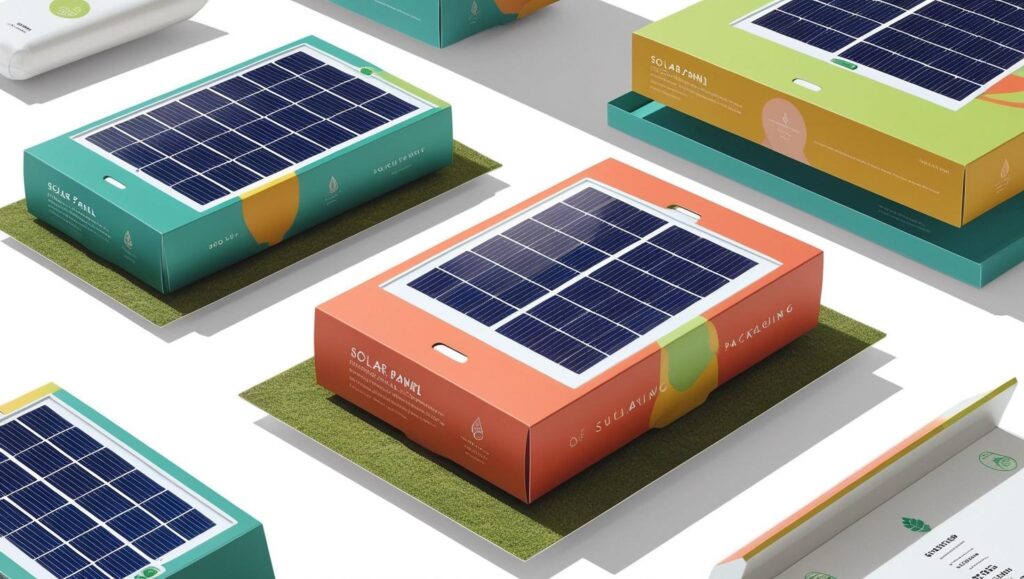
Technology in Packaging

Digital Twin Technology in Packaging

Digital Twin Technology in Packaging: A Paradigm Shift The packaging industry is at the forefront of a digital revolution, and at its heart lies Digital Twin Technology. Far from being a buzzword, this innovative approach offers real, tangible benefits—blending physical systems with digital counterparts to enhance efficiency, reduce costs, and drive sustainability. Let’s explore how this cutting-edge technology is transforming the packaging sector, supported by real-world applications and industry insights. What is Digital Twin Technology? Digital twin technology creates a virtual replica of a physical object or system. This dynamic digital model is continuously updated with real-time data, offering a precise reflection of its physical counterpart. Unlike static simulations, digital twins evolve as the real-world system operates, enabling proactive decision-making, predictive insights, and unprecedented operational control. For the packaging industry, digital twins can represent anything from individual machines to entire production lines. They empower businesses to simulate scenarios, predict outcomes, and optimize processes without interrupting production—a game-changer for a sector that thrives on precision and efficiency. How Digital Twins are Transforming Packaging 1. Streamlined Packaging Design Developing innovative packaging designs often involves trial and error, which can be resource-intensive. Digital twins enable designers to create and test prototypes in a virtual environment. They can evaluate factors like material strength, shape efficiency, and aesthetic appeal without creating a single physical model. For instance, companies like Amcor are already using digital twins to accelerate sustainable packaging development, reducing time-to-market while cutting costs. 2. Maximizing Equipment Uptime Packaging machinery downtime can lead to significant losses. Digital twins monitor equipment performance in real-time, identifying wear and tear before failures occur. Using predictive maintenance powered by digital twins, manufacturers can schedule repairs proactively, minimizing unplanned downtime and extending machine lifespans. Tetra Pak, for example, employs digital twins to optimize its production lines, ensuring uninterrupted operations. 3. Optimizing Production Processes Digital twins enable manufacturers to simulate production lines, helping identify inefficiencies and bottlenecks. By testing various configurations and workflows in a virtual environment, companies can enhance throughput and reduce waste. Procter & Gamble has implemented digital twins to optimize its packaging processes, achieving significant cost savings and increased efficiency. 4. Revolutionizing Quality Assurance Maintaining high quality is critical in packaging, especially in industries like food, pharmaceuticals, and cosmetics. Digital twins track production in real-time, identifying defects and ensuring compliance with stringent standards. Nestlé, for instance, uses digital twins to monitor packaging processes, ensuring consistency and reducing the likelihood of recalls. 5. Advancing Sustainability Goals Sustainability is a pressing concern for the packaging industry. Digital twins allow manufacturers to simulate the environmental impact of packaging materials and processes. By testing alternatives virtually, businesses can identify sustainable solutions without incurring additional costs. For instance, Unilever leverages digital twins to evaluate recyclable materials, aligning with its goal to reduce plastic waste. 6. Transforming Supply Chain Management Digital twins extend beyond manufacturing to the entire supply chain. Companies can create digital replicas of their logistics networks, enabling better tracking of shipments, inventory management, and route optimization. This holistic visibility ensures timely deliveries while reducing costs and carbon footprints. Case Studies in Digital Twin Implementation   Tetra Pak: The company uses digital twins to monitor and optimize its packaging machinery, achieving reduced downtime and higher operational efficiency. Unilever: By simulating packaging materials and designs, Unilever has developed sustainable solutions that minimize environmental impact. Amcor: Amcor employs digital twins to accelerate packaging innovation, particularly in developing recyclable and biodegradable materials. Fundamentals of Digital Twins in Packaging Digital twin technology is built on the seamless integration of the physical and digital worlds. In the packaging industry, this connection enables innovation, efficiency, and precision. This chapter explores the core components and mechanisms of digital twins as they apply to packaging. Components of a Digital Twin Physical Entity: The tangible packaging machinery, production line, or product being modeled. Virtual Model: A detailed digital replica of the physical entity, created using advanced simulation tools. Data Flow: Real-time data exchange between the physical entity and its digital counterpart through sensors and IoT devices. Working Mechanism in Packaging Real-Time Monitoring: Sensors embedded in packaging machines and lines collect data on performance, efficiency, and wear. This information is mirrored in the digital twin for continuous analysis. Simulation and Analysis: The virtual model allows for testing and optimization of packaging designs, materials, and production processes without disrupting physical operations. Feedback Loop: Insights from the digital twin’s analysis inform adjustments to the physical system, creating a continuous cycle of improvement. Despite these hurdles, the rapid advancements in IoT, AI, and cloud computing are making digital twins more accessible to companies of all sizes. The Future of Digital Twins in Packaging Digital twin technology is more than a trend; it’s a transformative tool reshaping the packaging industry. By bridging the gap between the physical and digital worlds, digital twins empower manufacturers to innovate faster, operate smarter, and achieve sustainability goals. As more companies embrace this technology, the future of packaging will undoubtedly be more efficient, sustainable, and consumer-focused. References: https://packagingeurope.com/accelerate-the-deployment-of-innovation-with-digital-twins/9791.article https://iopscience.iop.org/article/10.1088/1742-6596/2044/1/012146/pdf https://aws.amazon.com/what-is/digital-twin/

Digital Twin Technology in Packaging Read More »

Impact of Robotics on Packaging Industry

Impact of Robotics on Packaging Operations

Impact of Robotics on Packaging Operations The packaging industry is evolving rapidly, driven by increasing efficiency, accuracy, and demand for sustainability. Among the transformative technologies reshaping this sector, robotics is a game-changer. Robots have revolutionized packaging operations, offering unparalleled precision and productivity while reducing costs and environmental impact. This blog explores the multifaceted impact of robotics on packaging operations, highlighting key trends, benefits, and challenges. The Rise of Robotics in Packaging Robotics in packaging has witnessed significant growth due to advancements in automation, artificial intelligence, and sensor technology. The global packaging automation market is projected to grow steadily, fueled by the need for faster production cycles, minimal human intervention, and adaptability to diverse packaging needs. Modern packaging robots have vision systems, machine learning algorithms, and real-time data processing capabilities. These features allow them to handle tasks ranging from material handling and assembly to labeling and palletizing with remarkable speed and accuracy. Key Benefits of Robotics in Packaging 1. Enhanced Efficiency and Productivity Robots significantly improve efficiency by automating repetitive tasks such as picking, placing, and sealing. Unlike humans, robots can work continuously without breaks, ensuring faster production cycles and consistent output quality. For instance, pick-and-place robots in food packaging can sort and pack thousands of items per hour, far surpassing manual labor capabilities. 2. Precision and Consistency In industries like pharmaceuticals and electronics, precision is critical. Robotics ensures consistent quality by eliminating human errors in tasks such as filling, labeling, and sealing. Advanced robotic systems equipped with vision technology can detect defects or irregularities, enhancing product quality and reducing waste. 3. Flexibility and Customization Modern robots are highly adaptable, capable of handling various packaging designs, sizes, and materials. They can be reprogrammed to accommodate new product lines, making them ideal for businesses dealing with short production runs or customized packaging. Collaborative robots, or cobots, further enhance flexibility by working alongside human operators to manage complex tasks. 4. Cost Reduction While the initial investment in robotic systems can be high, the long-term cost savings are substantial. Robots reduce labor costs, minimize material wastage, and lower downtime through predictive maintenance. Moreover, automation enables companies to scale operations efficiently without proportional increases in costs. 5. Improved Workplace Safety Packaging environments often involve hazardous tasks such as heavy lifting, repetitive movements, and exposure to harmful substances. Robots mitigate these risks by handling dangerous tasks, ensuring a safer workplace for human employees. This not only reduces workplace injuries but also enhances employee satisfaction and retention. Applications of Robotics in Packaging 1. Primary Packaging Robots are widely used in primary packaging processes like filling, capping, and sealing. In the food industry, robots can fill pouches with precise quantities of liquid or granular products. In pharmaceuticals, robotic systems ensure accurate dosing and tamper-proof sealing. 2. Secondary Packaging In secondary packaging, robots handle tasks like carton forming, case packing, and bundling. For instance, robotic case packers can arrange products neatly into cartons, optimizing space and reducing shipping costs. 3. Tertiary Packaging Tertiary packaging involves tasks like palletizing, depalletizing, and stretch wrapping. Robotic palletizers can stack products efficiently, ensuring stability and maximizing storage space. Advanced systems can also scan barcodes and verify labels during the process. Challenges in Implementing Robotics 1. High Initial Costs The upfront investment for robotic systems, including purchase, installation, and training, can be prohibitive for small and medium-sized enterprises (SMEs). However, leasing models and government incentives for automation are making robotics more accessible. 2. Integration Complexity Integrating robotics into existing packaging lines can be challenging, requiring expertise in hardware, software, and systems integration. Companies must ensure seamless communication between robots, sensors, and other equipment. 3. Workforce Adaptation Automation often raises concerns about job displacement. While robots replace certain manual tasks, they also create opportunities for skilled roles in programming, maintenance, and supervision. Companies must invest in upskilling employees to ensure a smooth transition. 4. Maintenance and Downtime Robotic systems require regular maintenance to ensure optimal performance. Unplanned downtime due to technical glitches can disrupt production schedules. Predictive maintenance powered by IoT and AI can help address this challenge. Future Trends in Robotic Packaging 1. AI-Driven Robots Artificial intelligence is enhancing the decision-making capabilities of robots. AI-powered systems can predict demand, optimize workflows, and adapt to changes in real time. 2. Cobots in Packaging Collaborative robots are becoming increasingly popular for their ability to work alongside humans. Cobots are cost-effective, easy to program, and suitable for SMEs looking to automate without extensive infrastructure changes. 3. Sustainable Packaging Solutions Robots are enabling the shift toward sustainable packaging by efficiently handling eco-friendly materials like paper, biodegradable plastics, and recycled content. They also minimize material wastage during production. 4. Smart Packaging Systems Robotics is integral to smart packaging, which includes features like QR codes, RFID tags, and temperature-sensitive materials. Robots can assemble smart packages that enhance consumer engagement and product tracking. Conclusion The impact of robotics on packaging operations is profound, transforming the industry with improved efficiency, precision, and sustainability. While challenges like high costs and integration complexities persist, technological advancements and industry collaborations are making robotics more accessible and versatile. As businesses increasingly adopt automation, the role of robotics in packaging is set to expand, paving the way for smarter, greener, and more efficient operations. By embracing robotics, companies can not only meet the demands of modern consumers but also gain a competitive edge in a rapidly evolving market. The future of packaging is undoubtedly robotic, and the possibilities are limitless. References: https://bit.ly/3WeYm0e https://bit.ly/3C1RQ6o https://bit.ly/40v3f7W

Impact of Robotics on Packaging Operations Read More »

Consulting Engineering Solutions for Packaging Plants

Consulting Engineering Solutions for Packaging Plants

Consulting Engineering Solutions for Packaging Plants Packaging plants play a crucial role in producing and distributing goods in the ever-evolving world of manufacturing. From food and beverages to pharmaceuticals and consumer products, efficient and reliable packaging is key to delivering high-quality products. Many packaging plants are consulting engineering solutions to optimize operations, enhance efficiency, and integrate the latest technologies to stay competitive. This blog delves into the importance of consulting engineering solutions for packaging plants, highlighting their role in plant design, process optimization, automation, and sustainability. The Role of Consulting Engineering in Packaging Plants Consulting engineering involves bringing in experts who provide specialized knowledge, advice, and technical expertise to improve systems, processes, and overall performance. For packaging plants, these consultants offer invaluable insights into optimizing packaging processes, reducing waste, enhancing throughput, and ensuring compliance with industry standards. A well-designed packaging plant needs to be efficient, scalable, and flexible. Consulting engineers assess a packaging plant’s needs and design custom solutions to meet operational requirements. These solutions may involve upgrading existing equipment, redesigning workflows, integrating automation systems, or incorporating new technologies to improve productivity and product quality. Key Areas Where Consulting Engineering Makes a Difference Plant Design and Layout Optimization   The layout and design of a packaging plant are fundamental to its success. Consulting engineers work with manufacturers to design plant layouts that maximize space utilization, streamline workflows, and ensure safety. A well-planned layout reduces bottlenecks, minimizes material handling, and ensures a smooth production flow. Applications Across Industries   Process optimization is one of the key benefits of consulting engineering in packaging plants. By analyzing the existing packaging processes, engineers can identify areas where improvements can be made. This may include optimizing the use of resources, reducing waste, improving machine uptime, and increasing product consistency. Consulting engineers utilize advanced data analytics to monitor and analyze plant performance. Automation Integration   The packaging industry is rapidly adopting automation to reduce labor costs and improve operational efficiency. Consulting engineers play a key role in integrating automation systems, such as robotics, conveyors, and automated packaging machines, into existing packaging plants. Automated systems help speed up the packaging process, reduce human errors, and increase the overall output of a plant. Sustainability and Energy Efficiency   Sustainability is becoming increasingly important in the packaging industry, and many plants are consulting engineering solutions to help them meet environmental goals. Engineers can help packaging plants implement energy-efficient systems, reduce waste, and incorporate eco-friendly materials into their operations. Compliance with Industry Standards and Regulations   The packaging industry is subject to numerous regulations, including health and safety standards, environmental laws, and product-specific guidelines. Consulting engineers help packaging plants navigate these regulations, ensuring that they meet compliance requirements. For instance, in the food and beverage packaging sector, plants must adhere to strict hygiene and safety standards to ensure that packaging is safe for consumers. Continuous Improvement and Training   Consulting engineers don’t just provide short-term solutions; they help packaging plants implement continuous improvement programs. Through regular audits, data analysis, and process reviews, engineers identify new opportunities for optimization. Moreover, consulting engineers often provide training to plant employees on best practices, machine maintenance, and process improvements. This ensures that plant workers are equipped with the knowledge to operate new systems effectively and maintain high levels of productivity. Conclusion Consulting engineering solutions play an essential role in improving the efficiency, scalability, and sustainability of packaging plants. From optimizing plant design and integrating automation to ensuring compliance with industry standards, these solutions provide packaging manufacturers with the tools and expertise needed to stay competitive in a dynamic market. As packaging demands continue to evolve, consulting engineers will remain at the forefront of driving innovation, ensuring that packaging plants are equipped with the latest technologies and processes to meet the needs of consumers while maintaining operational excellence. For packaging plants looking to enhance their capabilities and future-proof their operations, engaging with a consulting engineering firm is a smart investment in long-term success. References: https://www.crbgroup.com/insights/packaging-consulting-engineer?utm_source=chatgpt.com https://www.packsize.com/blog/packaging-automation-versus-packaging-integration?utm_source=chatgpt.com https://www.packaging-gateway.com/features/automation-packaging-industry/?utm_source=chatgpt.com

Consulting Engineering Solutions for Packaging Plants Read More »
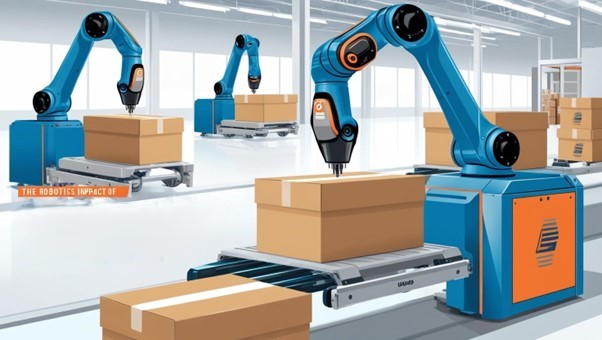
Smart Packaging with IoT

Smart Packaging with IoT Integration

Smart Packaging with IoT Integration: The Future of Connected Packaging The evolution of packaging has transcended its traditional purpose of protection and containment. In today’s digital era, integrating smart technologies, particularly the Internet of Things (IoT), is revolutionizing the packaging industry. Smart packaging powered by IoT creates new opportunities for brands and consumers, offering enhanced functionality, connectivity, and data-driven insights. What is Smart Packaging with IoT Integration? Smart packaging refers to systems incorporating advanced technologies to provide functionalities beyond basic packaging. When combined with IoT, smart packaging becomes a real-time communication, tracking, and data collection tool. It leverages embedded sensors, RFID tags, QR codes, and wireless communication to connect physical products to the digital world, enhancing the user experience and operational efficiency. Key Features of IoT-Enabled Smart Packaging Real-Time Tracking and Monitoring: IoT packaging sensors allow for real-time product tracking throughout the supply chain. Parameters such as temperature, humidity, and location can be monitored to ensure product quality and safety. Interactive Consumer Experience: QR codes and NFC tags integrated into smart packaging enable consumers to access product information, usage guides, and promotional content by scanning with their smartphones. Enhanced Product Security: Anti-counterfeit features such as unique digital identifiers and tamper-evident technologies help ensure product authenticity. Data Collection and Analytics: IoT-enabled packaging collects data on consumer behavior and product usage, offering valuable insights for brands to optimize their strategies. Sustainability Monitoring: Advanced sensors can measure environmental conditions to optimize the lifecycle of perishable goods, reducing waste and promoting sustainability. Applications Across Industries Smart packaging with IoT integration is transforming various sectors: Food and Beverage: IoT sensors in food packaging monitor freshness and shelf life by tracking temperature and humidity. Smart labels can indicate when a product is no longer safe to consume, reducing food waste and enhancing consumer trust. Pharmaceuticals: In the pharmaceutical industry, smart packaging ensures the integrity of sensitive medications. IoT-enabled packaging monitors storage conditions like temperature and light exposure, ensuring compliance with regulatory standards and preventing spoilage. Retail and E-Commerce: Interactive smart packaging enhances the consumer experience by providing instant access to product details, reviews, and usage tips. It also aids inventory management by offering real-time stock updates. Logistics and Supply Chain: Smart packaging improves supply chain transparency by providing real-time updates on the location and condition of goods. This is particularly beneficial for high-value or fragile items that require precise handling. Benefits of IoT-Integrated Smart Packaging Improved Customer Engagement: Interactive features bridge the gap between brands and consumers, fostering loyalty and trust. Operational Efficiency: IoT-enabled tracking reduces inefficiencies and ensures timely deliveries. Reduced Product Loss: Real-time monitoring helps detect and address issues like spoilage, theft, or damage during transit. Data-Driven Insights: The data collected provides actionable insights into consumer preferences and product performance. Sustainability: Optimized logistics and waste reduction contribute to eco-friendly practices. Challenges and Considerations Despite its potential, IoT-enabled smart packaging faces challenges: Cost: The integration of sensors and IoT technologies increases the cost of packaging, making it less accessible for smaller businesses. Data Security: With increased connectivity comes the risk of data breaches and cyberattacks. Infrastructure Requirements: Successful implementation requires robust digital infrastructure and widespread consumer access to compatible devices. Recyclability: Adding electronic components to packaging can complicate recycling efforts, potentially conflicting with sustainability goals. Future Trends in IoT-Enabled Smart Packaging Advanced Sensors: Development of compact, cost-effective sensors that can monitor multiple parameters simultaneously. Blockchain Integration: Blockchain technology can enhance transparency and traceability in supply chains, ensuring data integrity. Sustainable Smart Packaging: Innovations that combine IoT functionality with recyclable or biodegradable materials. Artificial Intelligence: AI-powered analytics to predict consumer behavior and optimize product performance. 5G Connectivity: Faster and more reliable networks to support seamless data transmission and real-time updates. Conclusion IoT-enabled smart packaging is not just a trend; it represents the future of the packaging industry. By merging physical products with digital capabilities, it enhances functionality, sustainability, and consumer engagement. However, addressing challenges such as cost and recyclability will be crucial for its widespread adoption. As technology evolves, IoT-integrated smart packaging is poised to redefine the way products are packaged, marketed, and consumed, creating a smarter, more connected world. References – https://www.packaging-labelling.com/articles/the-future-of-smart-packaging-bridging-the-gap-with-iot-integration-and-enhanced-consumer-engagement https://www.packaging-gateway.com/features/smart-packaging-iot-revolution/

Smart Packaging with IoT Integration Read More »
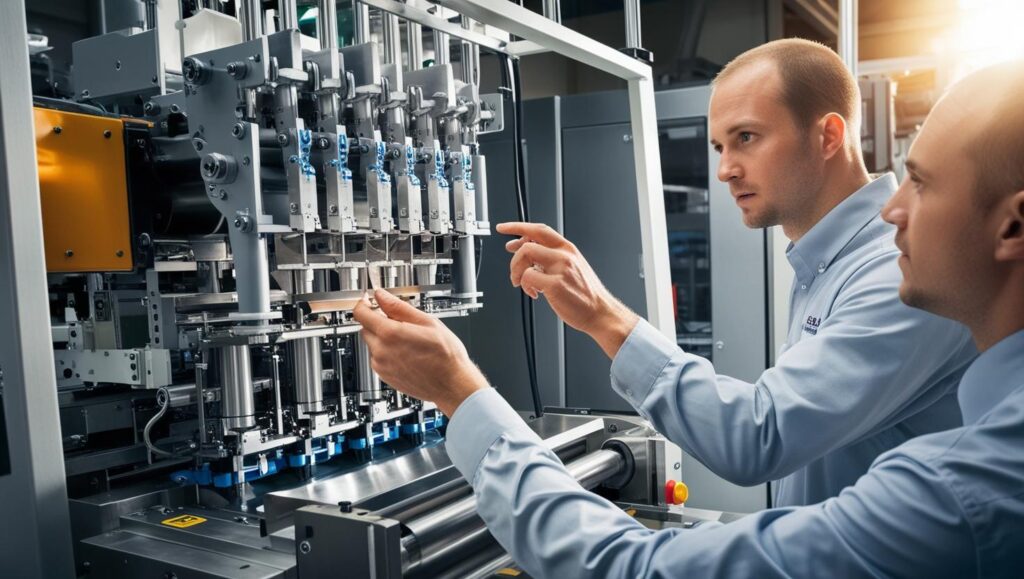
sustainable packaging innovations

Sustainable Packaging Innovations

Sustainable Packaging Innovations: Redefining the Future The growing global awareness of environmental challenges has fueled a surge in sustainable packaging innovations. Businesses across industries are exploring eco-friendly materials and processes to minimize waste and reduce carbon footprints, ensuring a greener future for future generations. Let’s delve into the transformative materials and techniques shaping the future of packaging. The Need for Sustainable Packaging The global reliance on packaging has brought convenience and efficiency to modern life. Packaging is indispensable in today’s supply chains, from protecting fragile goods to extending the shelf life of perishable items. However, the environmental consequences of traditional packaging practices have become a pressing issue. Overusing single-use plastics, excessive packaging, and improper waste management have contributed to widespread ecological damage. Principles of Eco-Friendly Packaging Three key principles guide sustainable packaging: reduce, reuse, and recycle. This chapter discusses how these principles can be integrated into packaging strategies to minimize environmental impact. It emphasizes lifecycle assessments, material optimization, and the importance of designing for end-of-life recovery. Eco-Friendly Materials Revolutionizing Packaging Biodegradable Plastics: Made from natural sources like cornstarch and sugarcane, these plastics break down into non-toxic components, reducing landfill waste. Plant-Based Materials: Materials like mushroom mycelium and seaweed are emerging as sustainable alternatives to traditional plastics and foams. They are lightweight, compostable, and durable. Recycled Paper and Cardboard: Using post-consumer recycled (PCR) content reduces the demand for virgin materials, conserving resources and energy. Glass and Aluminum: Fully recyclable and endlessly reusable, glass and aluminum are gaining traction as premium, sustainable packaging choices. Compostable Films: Derived from cellulose or polylactic acid (PLA), these films decompose in composting environments, offering a greener solution for flexible packaging. Sustainable Processes Driving Change Lightweighting: Reducing the weight of packaging materials to lower transportation emissions without compromising durability. Water-Based Inks: Replacing solvent-based inks with water-based alternatives to minimize harmful volatile organic compounds (VOCs). Digital Printing: This process reduces waste by enabling on-demand production and eliminating the need for traditional printing plates. Closed-Loop Systems: Encouraging a circular economy by designing packaging for multiple life cycles, promoting reuse and recycling. Renewable Energy in Manufacturing: Many companies are shifting to solar, wind, or hydroelectric power to reduce emissions during production. Industry Innovations and Success Stories Coca-Cola: The company’s PlantBottle initiative uses PET plastic partially made from plants, reducing dependence on fossil fuels. Loop by TerraCycle: This reuse platform partners with brands to offer products in durable, returnable containers, redefining convenience with sustainability. Unilever: Transitioning to 100% recyclable, reusable, or compostable plastic packaging by 2025 as part of their sustainability commitment. IKEA: Replacing styrofoam packaging with biodegradable mushroom-based alternatives. The Role of Consumers Consumers play a pivotal role in driving demand for sustainable packaging. By choosing products with eco-friendly packaging, they encourage brands to prioritize sustainability. Furthermore, proper disposal, recycling, and composting of packaging materials are essential for maximizing their environmental benefits. Conclusion: To conclude this article, it can be stated that the shift towards sustainable packaging is more than a trend—it’s necessary. With innovations in materials and processes, companies are meeting environmental standards and addressing consumer demand for greener products. As businesses and consumers work together, the future of packaging is poised to become a cornerstone of a sustainable, circular economy. References – https://www.greenbusinessbenchmark.com/resources/a-guide-to-sustainable-packaging-solutions https://www.packaging-gateway.com/features/packagings-role-consumer-decision-making/

Sustainable Packaging Innovations Read More »
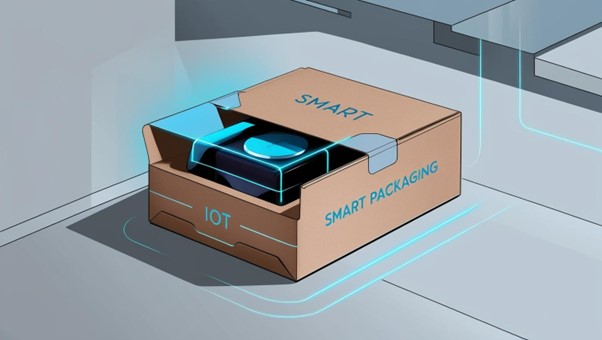
Technological Advancements in Flexible Packaging: Shaping the Future of Packaging

Technological Advancements in Flexible Packaging

Technological Advancements in Flexible Packaging: Shaping the Future of Packaging The packaging industry has witnessed rapid evolution over the past few decades, with flexible packaging emerging as a frontrunner due to its versatility, sustainability, and cost-effectiveness. Powered by technological advancements, flexible packaging has transformed how products are packaged, stored, and consumed, catering to the demands of an ever-evolving market. From smart materials to digital printing, the innovations in flexible packaging are paving the way for a more efficient and sustainable future. Here’s an exploration of the most groundbreaking advancements in this sector. Smart and Intelligent Packaging: Beyond Basic Protection Modern consumers expect packaging to do more than protect a product—it must communicate, interact, and enhance the user experience. Smart packaging technologies, such as time-temperature indicators (TTIs) and QR codes, have made this possible. Freshness Sensors: Companies like Thinfilm are integrating freshness sensors in flexible packaging to monitor food spoilage in real-time, offering consumers a reliable way to check product quality. Interactive QR Codes: Nestlé uses QR codes on flexible packaging to share detailed nutritional information and recipes, engaging customers digitally. Benefits: Real-time monitoring of product conditions. Enhanced consumer engagement and transparency. Reduction in waste through improved inventory management. Sustainable Materials: Reducing Environmental Impact Sustainability has become a driving force in packaging innovation. To address environmental concerns, flexible packaging has embraced biodegradable, recyclable, and compostable materials. Plant-Based Plastics: Companies like TIPA have developed compostable films for food packaging, providing an eco-friendly alternative to traditional plastics. Mono material Films: Dow’s INNATETM technology uses single-layer recyclable films to simplify recycling without compromising durability. Benefits: Lower carbon footprint compared to rigid packaging. Reduction in plastic pollution through biodegradable solutions. Alignment with global sustainability goals and consumer preferences. Barrier Technologies: Extending Shelf Life One of the critical challenges in flexible packaging is maintaining product freshness while reducing material usage. Advanced barrier technologies have addressed this by offering superior protection against oxygen, moisture, and UV light. High-Barrier Films: Amcor’s AmLite Ultra Recyclable film provides a lightweight yet robust barrier for food and pharmaceutical products, extending shelf life and reducing waste. Benefits: Prolonged product freshness and quality. Minimized food wastage across the supply chain. Improved packaging efficiency with thinner yet stronger materials. Digital Printing: Revolutionizing Customization Gone are the days of mass-produced, identical packaging. Digital printing has introduced unprecedented flexibility and customization in packaging design, allowing brands to connect with their audience on a personal level Coca-Cola’s “Share a Coke” campaign leveraged digitally printed flexible packaging to customize labels with popular names, driving consumer engagement and boosting sales. Benefits: Shorter lead times and reduced waste. High-quality, vibrant designs with intricate details. Cost-effective for small batch runs and personalized campaigns. Lightweighting: Doing More with Less Digital twins—a virtual replica of a physical system—have revolutionized design and maintenance in packaging machinery. They allow manufacturers to simulate, predict, and optimize performance without halting production. Example: Tetra Pak uses digital twins to test new designs in a virtual environment, cutting down on prototyping costs and time. Benefits: Enhanced R&D: Simulate designs to foresee performance bottlenecks. Real-Time Monitoring: Digital twins reflect live machine operations. Cost Efficiency: Prevents production losses during testing phases. Automation and AI in Flexible Packaging Automation and artificial intelligence (AI) have redefined how flexible packaging is manufactured and inspected. From high-speed production lines to error detection systems, technology ensures precision and scalability. Robotic Packaging Lines: Companies like ABB use robotics to automate the packaging process, increasing speed and reducing human error. AI-Powered Inspection: Systems like EyeC detect minute defects in printed packaging, ensuring consistent quality. Benefits Faster production with minimal downtime. Improved product quality and consistency. Reduced operational costs and waste. E-Commerce-Ready Packaging: Built for the Digital Shopper As e-commerce continues to dominate retail, flexible packaging has adapted to meet the unique challenges of online shopping. Amazon’s Frustration-Free Packaging initiative encourages the use of flexible, recyclable materials that protect products during shipping while being easy for consumers to open. Benefits: Reduced shipping costs due to lightweight materials. Enhanced durability to withstand transit conditions. Consumer-friendly designs that minimize waste. Conclusion: A Future-Ready Industry The technological advancements in flexible packaging signify a paradigm shift, making it an indispensable part of modern supply chains. From sustainable materials to intelligent designs, these innovations cater to the demands of a dynamic market while addressing environmental concerns. Flexible packaging is no longer just a convenience but a solution for a sustainable, efficient, and customer-centric future. Companies that embrace these advancements will stay competitive and lead the way toward a greener and smarter world. References – https://www.drupa.com/en/Media_News/drupa_blog/Sustainability/Navigating_the_Future_of_Packaging_A_Deep_Dive_into_Substrate_Technologies https://www.idtechex.com/en/research-report/smart-and-intelligent-packaging-2020-2030/691  

Technological Advancements in Flexible Packaging Read More »

Digital Transformation in Packaging Machinery

Digital Transformation in Packaging Machinery

Digital Transformation in Packaging Machinery: A New Era of Innovation The packaging industry, traditionally rooted in mechanical ingenuity, is undergoing a seismic shift. Digital transformation has emerged as the linchpin, driving efficiency, sustainability, and adaptability. This metamorphosis is not merely an upgrade but a reimagination of how packaging machinery operates, integrates, and evolves. The Digital Revolution: Unveiling New Horizons   Packaging machinery now transcends its primary purpose of production; it is evolving into an ecosystem of smart, interconnected systems. Advanced technologies like IoT, AI, robotics, and predictive analytics are redefining operations, fostering innovation, and enhancing customer satisfaction. Let us delve into how digital transformation is reshaping the packaging machinery landscape: IoT Integration: Connecting the Dots  The Internet of Things (IoT) has revolutionized how packaging machinery communicates and operates. Machines are no longer standalone entities but interconnected devices exchanging data in real time. Example:A beverage packaging line equipped with IoT sensors can detect minute variations in temperature, pressure, or humidity. The system adjusts itself instantly, ensuring product quality and minimizing wastage. Benefits: Predictive Maintenance: Sensors detect wear and tear before a breakdown occurs. Operational Visibility: Real-time data helps manufacturers monitor efficiency remotely. Waste Reduction: Precise measurements minimize material waste. Artificial Intelligence: Smarter Decision-Making Artificial Intelligence (AI) adds a cognitive layer to packaging machinery. It enables systems to learn from data, optimize processes, and predict outcomes with remarkable accuracy. Example:Nestlé integrated AI-driven packaging machines that automatically adapt to varying sizes and materials, enabling faster changeovers and reducing downtime. Benefits: Adaptive Learning: Machines adjust to new materials and designs without manual intervention. Enhanced Quality Control: AI-powered cameras detect imperfections at a microscopic level. Data-Driven Insights: AI identifies patterns to optimize throughput and reduce costs. Robotics and Automation: Precision at Scale The rise of robotics has transformed the packaging floor into a symphony of precision and speed. Robotic arms, grippers, and conveyors powered by automation enhance both scalability and consistency. Example:Amazon’s packaging centers use robotic arms to handle fragile items with precision, reducing human error and damage rates. Benefits: Speed: Robots work faster, handling high volumes efficiently. Consistency: Uniform packaging reduces errors. Flexibility: Machines can adapt to various products without significant retooling. Digital Twins: Bridging Physical and Virtual Worlds Digital twins—a virtual replica of a physical system—have revolutionized design and maintenance in packaging machinery. They allow manufacturers to simulate, predict, and optimize performance without halting production. Example:Tetra Pak uses digital twins to test new designs in a virtual environment, cutting down on prototyping costs and time. Benefits: Enhanced R&D: Simulate designs to foresee performance bottlenecks. Real-Time Monitoring: Digital twins reflect live machine operations. Cost Efficiency: Prevents production losses during testing phases. Sustainability Through Digital Innovation Sustainability has become an integral aspect of packaging, and digital transformation is helping companies achieve their green goals. Machines now optimize energy use, reduce waste, and work with biodegradable materials. Example:PepsiCo’s packaging machines, enhanced with IoT and AI, calculate the exact amount of material required for each package, cutting plastic waste by 35%. Benefits: Material Efficiency: Reduces raw material usage. Energy Optimization: Monitors and minimizes energy consumption. Circular Economy: Enables easy recycling through better material handling. Enhanced User Experience with HMI Human-machine interfaces (HMI) make complex systems more user-friendly. Intuitive touchscreens and dashboards simplify machine operations, even for non-technical users. Example:Bosch Packaging’s HMI integrates voice commands, allowing operators to troubleshoot issues hands-free. Benefits: Ease of Use: Simplified controls reduce training time. Real-Time Alerts: Operators receive instant notifications for anomalies. Customization: Dashboards can be tailored to user preferences. The Challenges: Navigating Digital Transformation While the benefits are immense, digital transformation comes with its share of challenges: High Initial Investment: Advanced technologies require significant capital. Skill Gap: Training workers to handle digital systems is essential. Data Security: Interconnected systems are vulnerable to cyberattacks. However, the long-term benefits far outweigh these initial hurdles, making digital transformation imperative for the packaging industry. The Road Ahead: A Call for Collaboration Digital transformation in packaging machinery is not a one-off project but a continuous journey. Collaboration between machine manufacturers, software developers, and packaging companies will be crucial to harness the full potential of these technologies. Conclusion: As digital transformation continues to rewrite the rules of the game, packaging machinery is poised to become more intelligent, efficient, and sustainable. Companies that embrace this change will not only thrive in a competitive market but also contribute to a more eco-friendly future. The question is no longer if digital transformation will shape the future of packaging machinery, but how quickly companies can adapt to stay ahead. References – https://www.packagingdigest.com/trends-issues/has-packaging-reached-its-digital-transformation-moment- https://www.packworld.com/leaders-new/materials/protective-transport-packaging/article/22893615/amazons-ai-model-intuitively-rightsizes-packaging https://www.tetrapak.com/en-in/solutions/automation  

Digital Transformation in Packaging Machinery Read More »
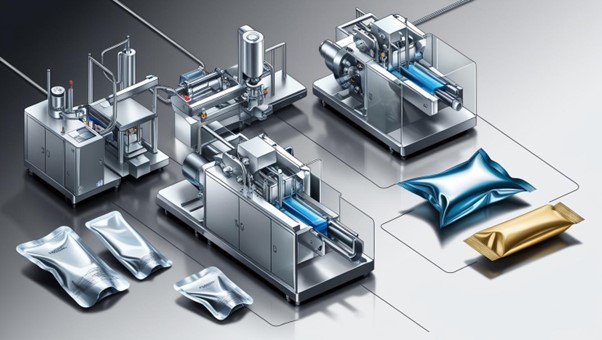
Flexible Packaging: Key Trends and Highlights from 2024

Flexible Packaging: Key Trends and Highlights from 2024

Predictive Maintenance in Flexible Packaging Operations In today’s competitive packaging industry, especially in flexible packaging operations, keeping machines running smoothly is critical. Equipment like blown film lines, which produce the films used for pouches, wraps, and bags, must operate efficiently to avoid costly breakdowns and production delays. This is where predictive maintenance comes in—a smarter, data-driven approach to keeping everything on track by fixing issues before they lead to major problems. What is Predictive Maintenance? Predictive maintenance uses technology to monitor machinery and predict potential failures before they happen. Unlike traditional maintenance, where repairs are scheduled at fixed intervals, predictive maintenance relies on real-time data from sensors that track performance. This means you can fix a problem before it causes an unexpected breakdown. In flexible packaging operations, where continuous production is essential, predictive maintenance ensures machines like blown film lines and other packaging equipment run smoothly. By detecting issues early, businesses can avoid costly downtime and extend the life of their equipment. Why is Predictive Maintenance Important in Packaging? The packaging industry is fast-paced, and unexpected machine failures can result in missed deadlines and unhappy customers. With predictive maintenance, packaging machinery manufacturers can avoid such issues by identifying small problems before they become big ones. For example, a blown film line used in flexible packaging may experience gradual wear and tear over time. By using predictive maintenance, sensors can detect changes in machine performance—like unusual vibrations or temperature changes—so repairs can be made before the equipment fails. As per a recent survey by PMMI, “Sustainability and Technology – The Future of Packaging and Processing”, over 70% of respondents stated that their company was utilising predictive maintenance technology including Cloud based vibration monitoring, AI-based data analytics & online tracking. Existing systems such as Manufacturing Execution Systems (MES) or Total Productive Maintenance (TPM), were also being used by executives to monitor the effects of predictive maintenance on their operations. Key Benefits of Predictive Maintenance More Uptime, Less Downtime– One of the biggest benefits of predictive maintenance is minimizing unplanned downtime. For large scale packaging machines, even a few hours of downtime can lead to significant losses. Predictive maintenance allows companies to schedule repairs at convenient times, ensuring machines stay up and running longer. Cost Savings- Predictive maintenance can significantly reduce repair and replacement costs. Rather than dealing with emergency breakdowns that require expensive fixes, companies can address potential issues before they escalate. Plus, fixing a small problem early is always cheaper than waiting for a major failure. Extend Equipment Lifespan By identifying problems early and addressing them promptly, predictive maintenance extends the lifespan of packaging machinery. This means fewer expensive replacements of critical equipment like blown film lines and other machines used in flexible packaging production. Optimized Maintenance Schedules– Instead of sticking to a fixed maintenance schedule, predictive maintenance ensures repairs happen only when necessary. This allows businesses to plan better and focus on what needs immediate attention, freeing up resources and personnel for other tasks. How Predictive Maintenance Works Predictive maintenance relies on sensors that monitor key performance indicators such as temperature, pressure, and vibration. In packaging machinery, especially blown film lines, these sensors track how the equipment is performing. If something seems off—like a slight increase in temperature or unusual vibrations—the system flags it for inspection. This data is analyzed using advanced software, often with the help of machine learning or artificial intelligence (AI), to predict when failures might occur. This way, maintenance teams can perform repairs at the right time—before a full-scale breakdown happens. Application in Blown Film Lines Blown film lines, which are essential to flexible packaging operations, benefit significantly from predictive maintenance. These machines produce plastic films for a wide range of products, and they operate under intense conditions with tight tolerances. Even minor mechanical issues can impact product quality and production rates. Predictive maintenance helps detect early signs of wear in critical components like the extruder, cooling systems, or winders. By catching these issues early, companies can maintain high product quality, reduce scrap rates, and ensure that production runs smoothly. Why Packaging Companies Should Embrace Predictive Maintenance As the demand for flexible packaging continues to rise, businesses need to adopt modern technologies that improve efficiency. Predictive maintenance is one such tool, offering a way to keep machines running at their best while lowering the risk of costly disruptions. For OEMs and machinery manufacturers, adding predictive maintenance features to their equipment is becoming a key selling point, giving their products an edge in the marketplace. The need for OEMs to work with predictive maintenance is arising day by day, to design end to end predictive maintenance solutions that can monitor product changeover processes. Conclusion Predictive maintenance is a game-changer for the packaging industry. By using technology to predict when machines like blown film lines need maintenance, businesses can minimize downtime, reduce costs, and extend equipment life. For companies involved in flexible packaging, adopting predictive maintenance is not just a smart move—it’s becoming essential to stay competitive. In the fast-evolving world of packaging, its essential for packaging companies and machinery manufacturers to employ a trustable predictive maintenance partner who can understand their specific needs and requirements. At INGSOL, we provide complete predictive maintenance solutions to ensure your machines function without experiencing downtime, and our expert technical team is available 24X7 to help and support as and when required. References – https://shorturl.at/GtxO5 https://shorturl.at/QxxKN https://shorturl.at/FK6om https://shorturl.at/B7Y7C Img links – https://tinyurl.com/4t7rruv3 https://tinyurl.com/26j62dpu https://tinyurl.com/38vp68b3

Flexible Packaging: Key Trends and Highlights from 2024 Read More »

Predictive Maintenance in Flexible Packaging Operations

Predictive Maintenance in Flexible Packaging

Predictive Maintenance in Flexible Packaging Operations In today’s competitive packaging industry, especially in flexible packaging operations, keeping machines running smoothly is critical. Equipment like blown film lines, which produce the films used for pouches, wraps, and bags, must operate efficiently to avoid costly breakdowns and production delays. This is where predictive maintenance comes in—a smarter, data-driven approach to keeping everything on track by fixing issues before they lead to major problems. What is Predictive Maintenance? Predictive maintenance uses technology to monitor machinery and predict potential failures before they happen. Unlike traditional maintenance, where repairs are scheduled at fixed intervals, predictive maintenance relies on real-time data from sensors that track performance. This means you can fix a problem before it causes an unexpected breakdown. In flexible packaging operations, where continuous production is essential, predictive maintenance ensures machines like blown film lines and other packaging equipment run smoothly. By detecting issues early, businesses can avoid costly downtime and extend the life of their equipment. Why is Predictive Maintenance Important in Packaging? The packaging industry is fast-paced, and unexpected machine failures can result in missed deadlines and unhappy customers. With predictive maintenance, packaging machinery manufacturers can avoid such issues by identifying small problems before they become big ones. For example, a blown film line used in flexible packaging may experience gradual wear and tear over time. By using predictive maintenance, sensors can detect changes in machine performance—like unusual vibrations or temperature changes—so repairs can be made before the equipment fails. As per a recent survey by PMMI, “Sustainability and Technology – The Future of Packaging and Processing”, over 70% of respondents stated that their company was utilising predictive maintenance technology including Cloud based vibration monitoring, AI-based data analytics & online tracking. Existing systems such as Manufacturing Execution Systems (MES) or Total Productive Maintenance (TPM), were also being used by executives to monitor the effects of predictive maintenance on their operations. Key Benefits of Predictive Maintenance More Uptime, Less Downtime– One of the biggest benefits of predictive maintenance is minimizing unplanned downtime. For large scale packaging machines, even a few hours of downtime can lead to significant losses. Predictive maintenance allows companies to schedule repairs at convenient times, ensuring machines stay up and running longer. Cost Savings- Predictive maintenance can significantly reduce repair and replacement costs. Rather than dealing with emergency breakdowns that require expensive fixes, companies can address potential issues before they escalate. Plus, fixing a small problem early is always cheaper than waiting for a major failure. Extend Equipment Lifespan By identifying problems early and addressing them promptly, predictive maintenance extends the lifespan of packaging machinery. This means fewer expensive replacements of critical equipment like blown film lines and other machines used in flexible packaging production. Optimized Maintenance Schedules– Instead of sticking to a fixed maintenance schedule, predictive maintenance ensures repairs happen only when necessary. This allows businesses to plan better and focus on what needs immediate attention, freeing up resources and personnel for other tasks. How Predictive Maintenance Works Predictive maintenance relies on sensors that monitor key performance indicators such as temperature, pressure, and vibration. In packaging machinery, especially blown film lines, these sensors track how the equipment is performing. If something seems off—like a slight increase in temperature or unusual vibrations—the system flags it for inspection. This data is analyzed using advanced software, often with the help of machine learning or artificial intelligence (AI), to predict when failures might occur. This way, maintenance teams can perform repairs at the right time—before a full-scale breakdown happens. Application in Blown Film Lines Blown film lines, which are essential to flexible packaging operations, benefit significantly from predictive maintenance. These machines produce plastic films for a wide range of products, and they operate under intense conditions with tight tolerances. Even minor mechanical issues can impact product quality and production rates. Predictive maintenance helps detect early signs of wear in critical components like the extruder, cooling systems, or winders. By catching these issues early, companies can maintain high product quality, reduce scrap rates, and ensure that production runs smoothly. Why Packaging Companies Should Embrace Predictive Maintenance As the demand for flexible packaging continues to rise, businesses need to adopt modern technologies that improve efficiency. Predictive maintenance is one such tool, offering a way to keep machines running at their best while lowering the risk of costly disruptions. For OEMs and machinery manufacturers, adding predictive maintenance features to their equipment is becoming a key selling point, giving their products an edge in the marketplace. The need for OEMs to work with predictive maintenance is arising day by day, to design end to end predictive maintenance solutions that can monitor product changeover processes. Conclusion Predictive maintenance is a game-changer for the packaging industry. By using technology to predict when machines like blown film lines need maintenance, businesses can minimize downtime, reduce costs, and extend equipment life. For companies involved in flexible packaging, adopting predictive maintenance is not just a smart move—it’s becoming essential to stay competitive. In the fast-evolving world of packaging, its essential for packaging companies and machinery manufacturers to employ a trustable predictive maintenance partner who can understand their specific needs and requirements. At INGSOL, we provide complete predictive maintenance solutions to ensure your machines function without experiencing downtime, and our expert technical team is available 24X7 to help and support as and when required. References – https://shorturl.at/GtxO5 https://shorturl.at/QxxKN https://shorturl.at/FK6om https://shorturl.at/B7Y7C Img links – https://tinyurl.com/4t7rruv3 https://tinyurl.com/26j62dpu https://tinyurl.com/38vp68b3

Predictive Maintenance in Flexible Packaging Read More »

Role of Automation in Packaging

Automation in Packaging

The Role of Automation in Packaging The packaging industry has undergone significant transformation over the last few years, with automation playing a pivotal role in driving efficiency and innovation. From reducing labor costs to enhancing precision and productivity, automation is reshaping how packaging machinery operates. In a competitive global marketplace, Original Equipment Manufacturers (OEMs) and machinery manufacturers are increasingly seeking automation technologies to stay ahead, streamline production, and meet the growing demands for packaging solutions. The Evolution of Automation in Packaging Today, advanced technologies enable intelligent packaging machinery to adapt, learn, and optimize processes in real time. For example, smart sensors embedded in machinery can now collect vast amounts of data, providing actionable insights to improve production efficiency and reduce downtime. Packaging automation has also embraced machine learning and artificial intelligence, allowing machines to detect anomalies, forecast maintenance needs, and minimize waste. These systems are particularly beneficial for machines like blown film lines, where precision and speed are crucial to maintaining high-quality standards for blown film production. Key Automation Technologies in Packaging 1. Robotic Systems: Robotic arms and pick-and-place systems are widely used in automated packaging lines. These machines can handle delicate tasks such as sorting, packing, and labeling at speeds far beyond human capabilities. Robotic solutions are highly flexible, making them ideal for industries producing varying packaging designs and sizes. 2. Collaborative Robots (Cobots): Cobots are designed to work alongside humans, providing support in complex or repetitive tasks. Their ease of integration into existing packaging lines and user-friendly programming make them a popular choice among OEMs and packaging machinery manufacturers. 3. Automated Guided Vehicles (AGVs): AGVs have revolutionized how materials are moved within packaging facilities. These self-guided vehicles transport raw materials, semi-finished goods, and packaged products with minimal human intervention, allowing for seamless integration into highly automated manufacturing environments. 4. Blown Film Line Automation: In flexible packaging, automation in blown film lines is crucial. Precision in controlling the film thickness, temperature, and cooling process ensures consistent quality. Automated systems allow machinery to adjust parameters in real-time based on feedback from sensors, resulting in faster production cycles and less waste. Other major components/systems like Safety input module, Analog module, I/O modules, mixed modules & digital I/Os along with other digital and analog modules are mostly used in the automation of packaging production processes. Challenges in Automating Packaging Processes While the benefits of automation in packaging are clear, OEMs and machinery manufacturers face a set of challenges in fully automating their packaging processes. Cost of Implementation: Upgrading to advanced automation technologies requires significant upfront investment. For many manufacturers, especially smaller players in the packaging industry, the costs of adopting new systems, training personnel, and maintaining these technologies can be prohibitive. Complexity in Integration: Integrating new automation technologies with existing packaging machinery can be complex. This often involves modifying existing workflows, reprogramming machines, and ensuring compatibility between different systems. Maintaining Flexibility: Packaging manufacturers are required to produce a variety of packaging designs and materials, particularly with the rise of flexible packaging. Automation systems must be adaptable to handle this variety while maintaining efficiency. The challenge lies in designing systems that are both highly productive and versatile enough to meet market demands. The Need for Automation in Packaging Machinery Processes The need for automation in packaging processes has never been more critical. With increasing consumer demand for faster production, reduced costs, and eco-friendly packaging, manufacturers must continually find ways to improve efficiency. Automation provides a solution by allowing packaging machinery to operate around the clock, reducing labor costs, and improving overall production accuracy. Moreover, automated systems are more capable of meeting stringent regulatory requirements, such as sustainability standards, by minimizing waste and optimizing resource usage. Automation Solutions by INGSOL At INGSOL, we understand the challenges faced by OEMs and manufacturers in the packaging industry. We offer complete drive solutions, machine-human interface (HMI) systems, and customized programming for automating packaging machinery processes. Whether you are looking to enhance the performance of your blown film lines or automate your packaging process and production, INGSOL provides tailored solutions to improve efficiency, productivity, and sustainability. Contact us today for knowing how we can help you automate your packaging processes – 9205888252 , 9311487878 | sales@ingsol.in References – http://surl.li/xohlhi http://surl.li/vjwjkk http://surl.li/psnuix http://surl.li/novami http://surl.li/sshmqv Images – http://surl.li/ampwov

Automation in Packaging Read More »

types of Polymers

Impact of Polymer Prices on Packaging

Impact of Polymer Prices on Packaging Costs: A Deep Dive Polymers, the fundamental building blocks of plastic films, significantly impact the overall cost of packaging. As the global economy and environmental concerns evolve, the dynamics of polymer pricing have become increasingly complex, demanding for a keen understanding for various machinery manufacturers operating within the flexible packaging sector. Understanding different types of Polymers (PE, PP, PS & PVC) Polymers, including polyethylene (PE), polypropylene (PP), polystyrene (PS), and polyvinyl chloride (PVC), are the primary materials used in the manufacturing of packaging films. These films are used in different applications in various industries, from food and beverages to consumer goods and pharmaceuticals. The prices of these polymers are influenced by a multitude of factors, including the fundamental prices of cost to product polymer, low or high inventory prices, supply and demand dynamics, market trends across different industries and global economic conditions. Overall Market Share of different Polymers (PE, PP, PS & PVC) In recent years, the polymer market has experienced considerable volatility. The COVID-19 pandemic disrupted supply chains, increased demand for certain packaging products, caused significant price fluctuations. While the situation has stabilized to some extent, the industry continues to grapple with ongoing challenges. An overall at the comprehensive Market Share of different polymers and their respective Market drivers provides an idea of how price fluctuations affect associated costs. Polyethylene (PE): As the most widely used polymer in packaging, PE prices have a direct impact on overall packaging costs majorly due to their minimal weight, high chemical resistance. As per a recent report from Straits Research, the Global Polyethylene market is poised to grow to 168.22 billion by 2031, registering a CAGR of 4.4%. Polypropylene (PP): Another critical polymer, PP is used extensively in packaging applications due to its properties such as enhanced chemical resistance, stability at high temperatures, excellent moisture barrier, and clarity at low temperatures. Reported by Grand View Research, the Global Polypropylene market is projected to grow at a CAGR of 4.7% from 2023-2030. Other Polymers: While PE and PP dominate the packaging industry, other polymers like polystyrene (PS) and polyvinyl chloride (PVC) also play a role. Their price movements can impact specific packaging segments. Registering a CAGR of 0.7% from 2024-2032, the Global Polystyrene market is projected to grow from USD 9.57 billion in 2024 to USD 10.08 billion by 2032, as per a recent report from Fortune Business Insights. Moreover, Asia Pacific was estimated as the dominant region in the Polystyrene market denoting a market share of 46.52% in 2023. The Ripple Effect on Packaging Costs Fluctuations in polymer prices have a cascading effect on the packaging industry. When polymer costs rise, packaging manufacturers often face increased production expenses. Moreover, the type of packaging film used also influences the impact of polymer price changes. For instance, blown film lines, commonly used for producing plastic bags and films, are directly affected by resin costs. Machinery manufacturers in this sector need to closely monitor polymer price trends to adjust their production strategies and pricing accordingly. Mitigating the Impact To navigate the challenges posed by polymer prices, packaging companies can implement various strategies. These include: Diversification: Exploring alternative materials or packaging structures can help reduce reliance on specific polymers. Cost Management: Implementing efficient production processes, optimizing material usage, and negotiating favorable terms with suppliers can help mitigate cost increases. Innovation: Developing innovative packaging solutions that use less material or offer superior performance can enhance competitiveness. The Road Ahead The packaging industry is at a crossroads. Balancing the need for cost-effective solutions with sustainability concerns is a complex challenge. As the world transitions towards a circular economy, the use of recycled polymers and biodegradable materials is gaining traction. While these developments offer opportunities, they also introduce new complexities in terms of pricing and material availability. By staying informed about polymer price trends, understanding the factors influencing these trends, and adopting proactive strategies, packaging companies can navigate the evolving landscape and maintain their profitability. References – https://www.grandviewresearch.com/industry-analysis/polypropylene-market https://straitsresearch.com/report/polyethylene-market#:~:text=Market%20Overview,used%20in%20construction%20and%20packaging. https://www.fortunebusinessinsights.com/polystyrene-market-106571 https://www.plastikmedia.co.uk/price-know-how-october-2023/ https://www.plasticservice.com/industry-news/36/what-factors-determine-polymer-pricing https://books.google.co.in/books?hl=en&lr=&id=9QRZBAAAQBAJ&oi=fnd&pg=PP1&dq=polymers+in+packaging+industry&ots=NjYc4KYXW4&sig=xuYky5LhHBuUVITGH8DnAqtMTHc&redir_esc=y#v=onepage&q=polymers%20in%20packaging%20industry&f=false

Impact of Polymer Prices on Packaging Read More »

Monolayer and Multilayer

Monolayer and Multilayer Technology

Blown Film Lines: Monolayer and Multilayer Technology Shaping the Packaging Industry The flexible packaging industry is a cornerstone of modern consumer goods. From food and beverage pouches to stand-up bags and hygiene products, these versatile solutions offer numerous benefits like lightweight design, durability, and printability. Blown film lines, Monolayer and Multilayer, play a crucial role in this industry, transforming plastic resins into high-quality films used in flexible packaging applications. Let’s explore their evolution, capabilities and their impact over the evolving packaging landscape. Evolution of Blown Film lines The concept of blown film extrusion technology dates back to the 1950s. At the time, Monolayer blown film lines dominated extrusion, producing films with consistent properties. They utilize a single extruder to melt and shape a single type of plastic resin, typically polyethylene (PE) or polypropylene (PP). But with the rapid technological advancements, Multilayer blown film lines emerged in the latter half of the 20th century. These lines utilize multiple extruders (typically 2-7) to co-extrude different types of plastic resins in a single film structure. Monolayer Blown Film Lines: Simplicity and Efficiency Monolayer blown film lines remain a popular choice for various flexible packaging applications due to: Ease of operations: Relatively straightforward design of Monolayer lines, make them easier to operate and maintain. Cost Effectiveness: These lines typically require a lower initial investment and consume less energy during operation. Efficiency: They offer high production speeds for applications where consistent film properties are sufficient. As per a recent report from Business Research Insights, the global blown film extrusion market is expected to reach USD 1341.01 million by 2031. Within this market, Monolayer lines are projected to maintain a significant share due to its cost effectiveness and suitability for a wide number of packaging manufacturers. Rise of Multilayer Blown Film Lines Utilizing multiple extruders (typically 3, 5, 7, 9, 11), Multilayer Blown film lines co-extrude different types of plastic resins in a single film structure. Hence, these lines offer distinct advantages for specific flexible packaging applications: Enhanced Barrier properties: Multilayer films possess speciality resins that act as barriers against oxygen, moisture and various other gases, further extending product shelf life. Improved Mechanical Strength: Resins combined with varying degrees of strength and flexibility helps achieve superior puncture resistance and tear strength. Lightweight Design: Compared to Monolayer films, Multilayer films can achieve the desired performance with less material. As a per a recent report from Custom Market Insights, the Global Multilayer Blown films market was valued at USD 7.9 Billion in 2023 and is projected to reach USD 11.8 Billion by 2033. Advances in film extrusion technology have made it possible to produce thinner, lighter multilayer films that are less expensive and more environmentally friendly. Monolayer or Multilayer films: Which one to choose? For manufacturers, there are several factors which judge the choice between Monolayer and Multilayer blown film lines, including packaging requirements, Production costs and target markets. Monolayer: Cost effective solutions which is suitable for basic functionality requirements such as puncture resistance and printability. Multilayer: Suitable where applications require superior barrier properties and enhanced mechanical strength along with various other specialized functionalities. Conclusion Since the evolution of blown film lines, both Monolayer and Multilayer concepts have evolved exponentially within the flexible packaging industry. With the rapid advancements in blown film extrusion technology and machinery, the functioning and maintenance of these machines has also become cost effective and seamless. There is an increasing focus on sustainability and innovation including the development and integration of Bio-based and recycled resins. Moreover, Advanced automation and new process control techniques is also leading to optimize production processes. INGSOL offers a range of solutions to optimize your blown film lines including retrofits & drive upgrades, spare parts & consumables, die head cleaning, Annual Maintenance Contract (AMC) for machines and more. We also provide a number of remote services including Remote Technical support & consulting solutions. Connect with our experts today!   References – https://petro-pack.com/article/differences-between-multi-layer-and-one-layer-mono-polyethylene-film/ https://www.plastar-machine.com/en/article/what-is-mono-layer-blown-film-extrusion-machine.html https://www.marketresearchintellect.com/product/monolayer-blown-film-extrusion-machine-market/ https://www.businessresearchinsights.com/market-reports/blown-film-extrusion-lines-market-101244 https://www.custommarketinsights.com/report/multilayer-blown-films-market/#:~:text=Exclusive%2C%20in%2Ddepth%20market%20intelligence,help%20you%20increase%20your%20Revenue.&text=Global%20Multilayer%20Blown%20Films%20Market%20was%20valued%20at%20USD%207.9,the%20forecast%20period%202024%20%E2%80%93%202033

Monolayer and Multilayer Technology Read More »

BOPP vs BOPET Films

BOPP vs BOPET Films

BOPP vs BOPET Films: A Comprehensive Guide to Flexible Packaging Flexible packaging is one of the key pillars of modern manufacturing, offering versatility, durability, and cost-effectiveness. Among the multiple materials available, BOPP (Biaxially Oriented Polypropylene) and BOPET (Biaxially Oriented Polyethylene Terephthalate) films are two of the most popular choices. Unique properties of each material make them suitable for specific applications, and understanding the differences between them is crucial for making informed decisions in the packaging industry. Understanding BOPP Films   Biaxially Oriented Polypropylene (BOPP) is a thermoplastic polymer known for its excellent clarity, high tensile strength, and moisture resistance. BOPP films are widely used in the food packaging industry due to their ability to preserve freshness and extend shelf life. They are also popular in labeling, stationery, and decorative packaging. Manufacturing Process: BOPP films are produced through a process known as blown film extrusion. In this process, molten polypropylene is extruded through a circular die, forming a thin tube. This tube is then expanded by blowing air into it, orienting the molecules in both the machine and transverse directions. The result is a biaxially oriented film that is then cooled and wound onto rolls. Key Properties: Clarity and Gloss: BOPP films offer excellent transparency and a shiny finish, making them ideal for display packaging. Moisture Barrier: They provide a superior barrier against moisture, essential for food packaging. Tensile Strength: High tensile strength ensures durability and resistance to tearing. Printability: The surface of BOPP films allows for high-quality printing, enhancing brand visibility. Exploring BOPET Films     Biaxially Oriented Polyethylene Terephthalate (BOPET) films are known for their outstanding strength, chemical resistance, and dimensional stability. These properties make BOPET films suitable for a wide range of applications, including flexible packaging, industrial applications, and electronics. Manufacturing Process: The production of BOPET films also involves a biaxial orientation process, but with different base materials and conditions compared to BOPP films. Polyethylene terephthalate is extruded into a film, which is then stretched in both directions to align the polymer chains and enhance its properties. Key Properties: Strength and Durability: BOPET films exhibit exceptional tensile strength and are highly resistant to physical stress. Chemical Resistance: They are resistant to oils, greases, and many chemicals, making them suitable for industrial packaging. Thermal Stability: BOPET films maintain their properties over a wide range of temperatures, making them ideal for applications requiring heat resistance. Barrier Properties: Excellent barrier against gases and aroma, ensuring product integrity. Comparing BOPP and BOPET Films Both BOPP and BOPET films offer distinct advantages, and the choice between them depends on the specific requirements of the application. Barrier Properties: While both films provide good barrier properties, BOPP excels in moisture resistance, whereas BOPET offers superior protection against gases and aromas. Strength and Durability: BOPET films generally have higher tensile strength and better chemical resistance compared to BOPP films. Thermal Stability: BOPET films have a higher melting point and can withstand higher temperatures than BOPP films, making them more suitable for applications involving heat. Cost: BOPP films are typically more cost-effective, which can be a decisive factor for large-scale packaging needs. Leading Companies in BOPP and BOPET Films Several leading companies in the flexible packaging market manufacture or are associated with the production of BOPP and BOPET films: BOPP Film Manufacturers: Jindal Poly Films: A major player in the global flexible packaging market, Jindal Poly Films is known for its high-quality BOPP films. Taghleef Industries: One of the largest manufacturers of BOPP films, offering a wide range of products for various packaging applications. Cosmo Films: Renowned for its innovative BOPP film solutions, Cosmo Films caters to diverse packaging needs. BOPET Film Manufacturers: DuPont Teijin Films: A leading manufacturer of BOPET films, DuPont Teijin Films offers a range of products for different industrial applications. SKC Films: Known for its high-performance BOPET films, SKC Films serves various sectors, including packaging and electronics. Polyplex Corporation: A prominent player in the BOPET film market, Polyplex Corporation provides high-quality films for flexible packaging. Applications in Flexible Packaging Food Packaging: Both BOPP and BOPET films are widely used in food packaging due to their barrier properties and ability to preserve product freshness. BOPP is often used for snacks, confectionery, and fresh produce, while BOPET is preferred for products requiring a stronger barrier against gases and aromas, such as coffee and spices. Labeling and Graphics: BOPP films are favored for their clarity and printability, making them ideal for labels and decorative packaging. BOPET films are also used in high-quality graphics and laminations due to their durability and aesthetic appeal. Industrial Applications: BOPET films, with their chemical resistance and thermal stability, are used in industrial packaging, electronic applications, and as insulating materials. Conclusion In the dynamic world of flexible packaging, BOPP and BOPET films stand out as versatile and reliable materials. Understanding the unique properties and applications of each film type allows manufacturers to make informed decisions, ensuring the optimal performance and cost-effectiveness of their packaging solutions. Whether it’s the clarity and moisture resistance of BOPP or the strength and chemical resistance of BOPET, these films play a crucial role in meeting the diverse needs of the packaging industry. References – https://wkaiglobal.com/blogs/bopp-vs-bopet-the-battle-of-flexible-films https://www.prosource.org/article/22210273/bopp-vs-bopet-understanding-films https://www.linkedin.com/pulse/application-bopp-film-pet-individual-packaging-mia-lee/

BOPP vs BOPET Films Read More »

Rotogravure vs Flexographic Printing

Rotogravure vs Flexographic Printing

Rotogravure vs Flexographic printing: Navigating Preference within the Packaging Industry Within the Packaging industry’s vast landscape, printing techniques play a crucial role in grabbing consumer attention with eye-catching designs and high-quality printing. For manufacturers, making the right choice between Rotogravure and Flexographic printing becomes a strategic challenge as both technologies possess certain unique advantages & disadvantages. Flexographic printing Utilizing flexible printing plates, flexo offers a cost-effective alternative to rotogravure, particularly for shorter print runs. Additionally, advancements in plate technology have enabled flexo to deliver impressive print quality. The ease and speed of changeovers allow for quick job turnaround times, making it ideal for dynamic packaging needs. Rotogravure printing Rotogravure utilizes engraved cylinders to transfer ink onto the substrate delivering detailed, vibrant colors and a smooth, high-gloss finish. This makes it ideal for high-volume production runs of premium packaging, particularly for luxury brands or products with intricate designs. However, the upfront investment required in Rotogravure printing can be significant. Additionally, changeovers between jobs can be time-consuming and expensive, making it less suitable for short-run printing needs. The preferred option? The “better” technology depends on specific packaging needs – High volume, premium printing: Rotogravure reigns supreme for its exceptional quality and consistency. Shorter runs or versatile printing: Flexo offers a cost-effective and adaptable solution. INGSOL offers packaging machinery solutions a comprehensive range of services to help optimize your rotogravure and flexographic machines. Our solutions range from upgrades to retrofitting wherein our expert service engineers ensure machinery delivers peak performance and quality is maintained throughout the service. Reference: https://flexopedia.net/flexo-vs-gravure-printing/

Rotogravure vs Flexographic Printing Read More »

What is Flexible Packaging?

Flexible Packaging and Evolution

What is Flexible Packaging? Flexible packaging is a broad category that includes a wide range of packaging products made from flexible materials that can be easily molded. These materials could be plastics, films, foils, and paper, which are often combined to create packaging solutions that are lightweight, durable, and versatile. Flexible packaging is used to contain, protect, and preserve goods, making it a critical component in various industries such as food and beverage, pharmaceuticals, and consumer products. Evolution of the Flexible Packaging Industry The flexible packaging industry has undergone significant transformation over the past few decades. Originally, packaging solutions were limited to simple materials such as paper and cloth. However, the advent of plastics and advancements in material science have transformed the industry, leading to the development of multi-layered films and sophisticated packaging technologies. Key Benefits of Flexible Packaging Flexible packaging offers numerous benefits that make it an attractive option for manufacturers, retailers, and consumers alike: Lightweight and Easy to Transport: Flexible packaging is significantly lighter than rigid packaging alternatives, which reduces transportation costs. The lightweight nature also makes it more convenient for consumers to handle and store. Material Efficiency: Flexible packaging typically uses less material than rigid packaging, resulting in lower production costs and reduced environmental footprint. This efficiency also contributes to reduced waste throughout the packaged lifecycle. Customization: Flexible packaging can be easily customized to fit specific product shapes and sizes, offering unique design opportunities. This customization enhances product appeal and functionality, providing a better fit for diverse products. Extended Shelf Life: Advanced barrier properties of flexible packaging materials protect products from external factors such as moisture, oxygen, and light. This helps extend the shelf life of perishable goods, ensuring that they remain fresh and safe for longer periods.  Enhanced Branding: High–quality printing and graphics capabilities allow for eye-catching designs and detailed product information. This enhances brand visibility and consumer engagement, making products stand out on store shelves.   Reasons behind the recent rise of Flexible Packaging Shifting Consumer Preferences: One of the primary reasons for the rise of flexible packaging is the shift in consumer preferences towards convenience and sustainability. Modern consumers are increasingly looking for packaging solutions that are easy to handle, store, and dispose of. Flexible packaging meets these demands with its lightweight, easy-to-open, and resealable features, providing a better user experience compared to rigid packaging. Cost Efficiency: The production of flexible packaging generally requires fewer raw materials, which translates to lower material costs. Its lightweight nature also reduces shipping and handling expenses, providing additional savings throughout the supply chain. For manufacturers, flexible packaging’s adaptability and customization capabilities mean fewer design constraints and reduced tooling costs. This flexibility allows for smaller production runs and quicker turnaround times, enabling them to respond swiftly to market changes and consumer demands. Technological Advancements: Technological advancements in material science and manufacturing processes have significantly contributed to the growth of flexible packaging. Modern flexible packaging materials offer superior barrier properties, ensuring better protection against oxygen, moisture, and light. These improvements help maintain product freshness and extend shelf life, particularly for food and beverage products. Sustainability: As environmental concerns are becoming more prominent, the packaging industry is under increasing pressure to adopt sustainable practices. Flexible packaging has several environmental benefits that contribute to its rising popularity:  Material Efficiency: Flexible packaging typically uses less material than rigid packaging, resulting in less waste and lower environmental impact. This efficiency also means fewer resources are required for production, contributing to sustainability goals. Reduced Carbon Footprint: The lightweight nature of flexible packaging reduces transportation emissions and energy consumption. This reduction in the carbon footprint is a significant advantage as companies strive to meet stricter environmental regulations and consumer expectations. Recyclability and Biodegradability: Advances in material technology have led to the development of recyclable and biodegradable flexible packaging options. These innovations help address the growing concern over plastic waste and support circular economy initiatives. Market Trends and E-commerce Growth: The growth of e-commerce has significantly influenced packaging trends. As more consumers shop online, the demand for efficient and protective packaging solutions has increased. It helps reduce shipping costs and ensure products arrive in good condition, enhancing the customer experience. The size of the worldwide flexible packaging market was estimated at USD 248.9 billion in 2022 and is expected to increase at a rate of 4.8% CAGR to reach USD 315.5 billion by 2027. Competitive Advantages:  Flexible packaging offers several competitive advantages like enhanced branding opportunities as its high-quality printing capabilities allow for vibrant, detailed graphics that can help products stand out on store shelves. Flexible packaging can be easily customized for different product lines and marketing campaigns. This allows brands to create limited edition or seasonal packaging, driving consumer interest and engagement.   Conclusion The rise of flexible packaging is driven by its numerous advantages over traditional rigid packaging. From shifting consumer preferences and cost efficiency to technological advancements and sustainability benefits, flexible packaging meets the demands of modern markets and aligns with global trends toward convenience and environmental responsibility. As the industry continues to grow, flexible packaging is poised to play an increasingly vital role in the future of packaging.   Reference: https://www.assemblies.com/why-rigid-packaging-is-on-the-decline-flexible-alternatives/

Flexible Packaging and Evolution Read More »

Flexible Packaging

Unwrap the Future: Metalized Flexible Packaging’s Rise to Prominence

  SUMMARY Metalized flexible packaging is a rapidly growing segment of the packaging industry, offering a compelling combination of benefits for food, beverage, pharmaceutical, and other consumer goods applications. This report explores the current market landscape, future prospects, ongoing trends, and regional variations in the metalized flexible packaging market. CURRENT MARKET LANDSCAPE Market size: The global metalized flexible packaging market was valued at USD 5.09 billion in 2022 and is anticipated to reach USD 7.63 billion by 2029, with a CAGR of 5.95%. Market segmentation: The market is segmented by material type (aluminum foil-based and metalized film), structure (laminated and mono- extruded), packaging type (pouches, bags, wraps, rollstock), and end-use industry (food, beverages, personal care, pharmaceuticals, pet food, etc.). Major players: The market is dominated by a few large players, including Amcor, Constantia Flexibles, Huhtamaki, Mondi, and Toyo Seikan Group. Growth drivers: Key factors driving market growth include increasing demand for convenient food products, rising disposable income in developing countries, growing popularity of single-serve packaging, and the need for sustainable packaging solutions. FUTURE PROSPECT Growth outlook: The metalized flexible packaging market is expected to continue its strong growth trajectory in the coming years, driven by the factors mentioned above. Emerging trends: Emerging trends include the development of bio-based and biodegradable metalized films, the use of nanotechnology to improve barrier properties, and personalization of packaging through digital printing. Challenges and opportunities: Challenges include fluctuating raw material prices, concerns about the recyclability of metalized films, and increasing competition from alternative packaging materials. However, these challenges also present opportunities for innovation and development of new technologies and solutions.

Unwrap the Future: Metalized Flexible Packaging’s Rise to Prominence Read More »

Edge Computing in Packaging Production Operations

  Experience the future of computing where processing power meets data at its source. In packaging production, we revolutionize operations by seamlessly processing data directly on machines and devices along the production line. Say goodbye to the constraints of centralized cloud servers and embrace the agility of edge computing In the realm of cutting-edge technology, envision a landscape where data activities unfold seamlessly at the source, bypassing the constraints of centralized networks. Embrace the transformative power of edge computing, optimizing the performance of equipment, IoT devices, and applications by strategically placing computing capabilities right at the network edge where data is born. Experience a paradigm shift that brings efficiency to the forefront of data processing KEY BENEFITS OF EDGE COMPUTING Reduced Latency: By processing data locally, edge computing eliminates the need for data to travel long distances to the cloud, which can significantly reduce latency. This is crucial for real-time applications, such as quality control or machine vision, where fast decision-making is critical. Increased Bandwidth: By offloading data processing from the cloud, edge computing frees up valuable bandwidth for other essential tasks. This is specially beneficial in production environments where large amounts of data are generated. Improved Security: Edge computing can improve data security by reducing the amount of sensitive data that needs to be transmitted over the internet. This is because certain data can be processed and analysed locally without ever leaving the production environment. Enhanced Reliability: By decentralizing the processing power, edge computing can make production operations more resilient to network outages or disruptions. This is because even if the cloud connection is unavailable, local processing can still continue. Unlocking the Potential of Edge Computing in the Realm of Packaging Production Machine Vision: Cameras can be used to inspect products for defects on the production line. Edge computing allows these images to be analysed locally in real-time, so that defective products can be rejected immediately. Predictive Maintenance: Sensors can be attached to machines to monitor their performance and predict potential failures. Edge computing allows this data to be analysed locally, so that maintenance can be scheduled before a breakdown occurs. Process Optimization: Data from various sources in the production line can be collected and analysed in real-time to identify areas for improvement. This information can be used to optimize various parameters, such as machine settings or material usage. Harnessing the Power of Edge Computing for Industrial IoT Solutions Driving Automation: Integrating edge computing into equipment and processes on the shop floor eliminates delays, enabling real-time automation and paving the way for a lights-out factory with reduced human intervention. Implementing Predictive Maintenance in Industry 4.0: Utilizing edge computing, maintenance procedures for Industrial IoT devices in smart facilities become fully automated. This ensures optimal performance by allowing devices to autonomously identify and address recharging needs.

Edge Computing in Packaging Production Operations Read More »

Decoding Packaging Automation Market

  The global packaging automation market size was estimated at USD 69.18 billion in 2022 and it is expected to hit around USD 145.93 billion by 2032, poised to reach at a CAGR of 7.8% during the forecast period from 2023 to 2032. FACTORS INCREASING DEMAND FOR AUTOMATION IN PACKAGING INDUSTRY Rising labour costs and the need to improve labour productivity Growing demand for customized and personalized packaging Increasing emphasis on sustainability and reducing packaging waste Stringent regulatory requirements for packaging safety and quality MARKET Integration of Robotics and Automation: Robotics is revolutionizing packaging processes, enabling precise and consistent handling of products, reducing labour costs, and minimizing human error. Collaborative robots (robots) are gaining traction due to their ability to work safely alongside human workers. Artificial Intelligence (AI) and Machine Learning (ML) Applications: AI and ML are transforming packaging automation by providing data-driven insights and enabling predictive maintenance. AI algorithms can optimize packaging processes, identify potential defects, and predict downtime, leading to improved efficiency and reduced costs. Data-Driven Decision Making and Predictive Analytics: Packaging automation systems are generating vast amounts of data, which can be analysed using predictive analytics tools. This data provides insights into packaging performance, identifying areas for improvement and enabling proactive maintenance to prevent downtime. Rise of Cloud-Based Packaging Automation Solutions: Cloud-based automation solutions are gaining traction as they offer remote management, data accessibility, and scalability. These solutions enable businesses to monitor and optimize their packaging processes from anywhere, reducing the need for on-site IT infrastructure. KEY MARKET SHARE BY REGION KEY MARKET INSIGHT BY TOP REGION Asia Pacific: Largest market share and the fastest-growing region due to: Rapid economic growth Increasing urbanization Growing population with rising disposable incomes Surging demand for packaged goods Major markets: China and India

Decoding Packaging Automation Market Read More »

FLEXIBLE PACKAGING UNVEILED “NAVIGATING MARKET TRENDS – INSIGHT”

  INTRODUCTION The dynamic and transformative evolution in the flexible packaging industry has been sublime. Evolution within the flexible packaging industry has been immense in the past few decades. As the shift continues to occur, industries are majorly focusing on developing sustainable solutions for the flexible packaging industry. The growing retail industry in India is driving the shift of more markets into flexible packaging. With considerable number of players shifting into the market, the flexible packaging industry is expected to keep growing and increasing its share. Let us take a look at the predictable growth of the flexible packaging industry, both in the Indian market and overseas Trends in Flexible Packaging – A Historical to Contemporary Analysis Old Trends in Flexible Packaging: 1.Basic Materials: Historically, materials like cellophane and waxed paper were among the first to be used for flexible packaging. 2.Function Over Form: Initial designs were more function-focused, prioritizing protection and preservation over consumer appeal. 3.Limited Customization: Earlier, there was less emphasis on customization, leading to generic packaging designs. 4.Minimal Sustainability Concerns:The industry had little focus on recyclability or biodegradability. Contemporary Developments: Latest Trends in Flexible Packaging 1.Ubiquitous E-Commerce: The rise of e-commerce demands rigorous focus on packaging adaptability to accommodate new product varieties. Innovations in “last-mile” delivery mechanisms are paramount. 2.Evolving Consumer Preferences: Consumers are increasingly seeking personalization, convenience, health-conscious options, and affordability in their choices. This will consequently drive Stock Keeping Unit (SKU) diversification to unprecedented levels. 3.Margin Pressure in FMCG and Retail: Fast-moving consumer goods (FMCG) manufacturers and retailers are contending with escalating margin compressions. This financial strain inevitably cascades up the supply chain, amplifying solvency risks for converters. 4.Augmented Sustainability Imperatives: Every facet of the value chain is experiencing intensified sustainability mandates. This trend is underscored by mounting scrutiny from environmental activists and informed consumers. 5.Digital Transformation & IoT Integration: The integration of digitization and the Internet of Things (IoT) is not just a cost-containment strategy but also a vehicle to gain a competitive advantage. By the end of this decade, technology embedded within packaging is anticipated to deliver enhanced customer value and service, further enriching the consumer experience. Market Trend Overseas Contemporary market analytics underscore a pronounced growth in the demand for dairy commodities. Illustratively, data from the United States Department of Agriculture (USDA) positions Europe at the zenith of per capita cheese consumption. In 2021, the European Union reported an average intake of 20.44 kilos of cheese per individual. Notably, the United States and Canada trailed, registering consumption figures of approximately 17.9 and 15 kg respectively. Milk stands as an indispensable dietary staple, renowned for its abundant calcium and essential nutrient content. Comprehensive reports from international organizations such as the Food and Agriculture Organization of the United Nations (FAO) and the US Department of Agriculture attest to India’s prominence in this domain, having consumed an estimated 83 million metric tonnes of cow milk in 2021—making it the globe’s foremost consumer. The European Union followed, accounting for a consumption of 23.9 million metric tons Evolving market preferences have accelerated the adoption of film-based vacuum pouches, notably those with moderate (PA/PE) or high barrier (PA/EVOH/PE) properties. These state-of-the-art pouches, frequently employed in Modified Atmosphere Packaging (MAP) systems, are predominantly designated for dairy and protein-centric packaging solutions Indian Food Industry is Expected to Hold the Largest Share in the Market. Based on data from the India Brand Equity Foundation (IBEF), food and grocery sales account for roughly 70% of India’s total retail transactions. The urban market’s departmental retail stores and unit packaging in rural areas significantly propel flexible packaging demand. As per the USDA Foreign Agricultural Service, India had 12.79 million traditional retail grocery outlets in 2021, anticipated to exceed 13.05 million by mid-2023. This burgeoning retail sector is poised to amplify the need for flexible packaging within the food domain. Amid the COVID-19 outbreak and ensuing lockdowns, India saw a marked rise in online food ordering, leading to a surge in the packed food sector. According to MARC India, the market for packed food is projected to reach USD 3.4 billion by 2027. Major delivery services like Swiggy and Zomato broadened their reach to second and third-tier cities, resulting in a noticeable uptick in the use of containers like bowls and trays. Market Analysis of Flexible Packaging – Flexible packaging, characterized by materials like plastic, foil, and paper, has garnered significant attention due to its adaptability, weight advantages, and space efficiency. The market dynamics in overseas regions and India are shaped by several common and region-specific factors. Overseas Markets The overseas market, especially in regions like North America and Europe, has seen steady growth due to technological advancements and sustainability initiatives. Opportunities: Rise of e-commerce boosts demand for durable and lightweight packaging. Increased consumer awareness about sustainable solutions offers avenues for biodegradable and recyclable packaging. Challenges: Stricter environmental regulations and recycling complexities. High competition leading to pricing pressures.   Indian Markets Market Growth: Rapidly expanding due to increasing urbanization, growing middle-class consumer base, and modern retail channels. Opportunities: Booming food and beverage sector requiring high-quality packaging. Increasing emphasis on sustainable and locally sourced materials, leading to innovative solutions. Challenges: Fragmented market with many unorganized players. Waste management and recycling infrastructure lag compared to western countries.      

FLEXIBLE PACKAGING UNVEILED “NAVIGATING MARKET TRENDS – INSIGHT” Read More »

Future of Digital Printing in Packaging Industry By Different Segments

  Overview The packaging industry comprises various segments based on the type of packaging material and products they specialize in. Labels packaging was estimated to acquire over half of the market share in packaging industry in 2022 while denoting a major growth in market share by 2027. Flexible packaging and Corrugated packaging markets have been evaluated as the fastest and slowest growing segments in the packaging industry. Market Share by each segment The Labels packaging market is estimated to acquire major share by 2025, while subsequently trickling at a gradual rate by 2027. Considering the current market trends & modern innovations in flexible packaging, the market is predicted to grow at a higher rate than Corrugated market by the estimated period 2027. Segment Growth Regular advancements & modern technologies being introduced in the packaging industry have pushed the flexible packaging market to new heights. CAGR for the flexible packaging market is estimated to be approximately 10.3% followed by other packaging industries such as Glass, wood, metal packaging. While, an analysis of Market share gain also denotes that the flexible packaging industry is poised to increase its market share in the forthcoming years.

Future of Digital Printing in Packaging Industry By Different Segments Read More »

Mono-Material Plastic Packaging

    MARKET OVERVIEW The global mono-material plastic packaging market is projected to reach a value of USD 3.45 billion by 2030, growing at a CAGR of 4.1% from 2022 to 2030. Mono-material plastic packaging is a type of packaging that uses only one type of plastic, making it easier to recycle. This is in contrast to multi-material plastic packaging, which uses multiple types of plastic that are difficult to separate and recycle. MARKET DRIVERS The increasing demand for sustainable packaging solutions is the primary driver of the mono-material plastic packaging market. Growing awareness of environmental issues, such as plastic pollution, is also driving demand for more sustainable packaging options. Additionally, the need for lightweight and cost-effective packaging materials is also contributing to the growth of the mono-material plastic packaging market. MARKET SEGMENTATION The global mono-material plastic packaging market is segmented by material, end-use sector, and region. Material: The market is segmented into polyethylene terephthalate (PET), polypropylene (PP), polyethylene (PE), and polyvinyl chloride (PVC). PET is the largest segment, accounting for over 50% of the market share. End-use sector: The market is segmented into food and beverage, pharmaceuticals, personal care, and other. Food and beverage is the largest end-use sector, accounting for over 40% of the market share. Region: The market is segmented into North America, Europe, Asia Pacific, Latin America, and Middle East and Africa. Asia Pacific is the largest market, accounting for over 35% of the market share.

Mono-Material Plastic Packaging Read More »

Paper Packaging Prowess “Navigating Trends for Success”

  MARKET OVERVIEW: The global flexible paper packaging market is expected to reach USD 99.1 billion by 2032, growing at a CAGR of 4.2% from 2023 to 2032. The market is driven by the increasing demand for sustainable and eco-friendly packaging solutions. Flexible paper packaging is a lightweight, recyclable, and biodegradable alternative to plastic packaging. It is also a versatile material that can be used to package a wide variety of products, including food, beverages, pharmaceuticals, and cosmetics.   MARKET SHARE (REGION)     MARKET TREND: Innovation in barrier packaging: Manufacturers are developing innovative barrier packaging solutions to extend the shelf life of food products. This is making flexible paper packaging an even more attractive option for food packaging. Personalization and customization: Consumers are increasingly demanding personalized and customized packaging. Manufacturers are responding to this trend by developing flexible paper packaging that can be easily customized with printing and other embellishments. Sustainability initiatives: Governments and businesses are implementing sustainability initiatives to reduce the environmental impact of packaging. This is leading to increased demand for sustainable packaging solutions, such as flexible paper packaging. CHALLENGES: Cost of raw materials: The cost of raw materials, such as paper and pulp, can fluctuate significantly. This can make it difficult for manufacturers to control costs and maintain profitability. Sustainability concerns: Some consumers are concerned about the sustainability of paper packaging, particularly if it is not sourced from sustainably managed forests. Competition from other packaging materials: Flexible paper packaging faces competition from other packaging materials, such as plastic and glass. These materials can offer advantages in terms of cost, performance, and recyclability. MAJOR PLAYERS        

Paper Packaging Prowess “Navigating Trends for Success” Read More »

Smart packaging

Smart Packaging

  Underlying technologies of packaging system Active packaging: Active packaging, a progressive departure from conventional methods, responds to shifting consumer demands and market dynamics. This innovative food-packaging approach incorporates elements that can release or absorb substances, preserving food quality and extending shelf life. Key benefits of active packaging for perishable goods include reduced active substance usage, minimized particle migration, and the elimination of potential bacterial contamination from industrial processes. Components often integrated into active packaging systems include oxygen and ethylene scavengers, flavour modifiers, antimicrobial agents, and antioxidants. Intelligent Packaging: Intelligent packaging system use communication functions to facilitate decision-making aimed at preserving food quality, extending shelf life and improving overall food safety. It executes functions like sensing, detecting, tracing, recording, and transmitting specific data. Key components encompass time-temperature indicators, gas detectors, freshness/ripening indicators, and RFID systems. Indicators and sensors relay essential information, signalling changes in factors such as temperature or ph. Smart Packaging: Smart packaging offers a comprehensive solution that intelligently monitors product and environmental changes while proactively responding to them. It deploys chemical sensors and biosensors to ensure food quality and safety from production to consumption. This technology employs an array of sensors, detecting factors like freshness, pathogens, leaks, carbon dioxide, oxygen, pH levels, time, and temperature. The specific capabilities of smart packaging systems adapt to the nature of the product, whether it’s food, beverages, pharmaceuticals, or various other goods. Likewise, the conditions monitored, communicated, or adjusted align with product requirements The worldwide smart packaging market is poised to reach a substantial $60.49 billion by 2032. Smart packaging encompasses innovative packaging systems that incorporate embedded sensor technology, primarily employed in sectors such as food, pharmaceuticals, and various other product categories. Its applications span from prolonging shelf life, monitoring freshness, conveying quality information, to enhancing product safety and customer well- being. Furthermore, smart packaging doesn’t merely serve as a technological advancement but also unlocks novel business prospects rooted in the realm of digitization, seamlessly aligning with the broader scope of Industry 4.0. Embracing this dynamic sector offers companies a unique gateway to innovation and growth in the ever-evolving landscape of modern industry. CHALLENGE Antimicrobial Packaging and Innovations: Antimicrobial packaging is a rising interest within both the research and industrial sectors, with the potential to enhance product quality and safety. Research in microbial active packaging should increasingly focus on naturally-derived antimicrobial agents, bio-preservatives, and biodegradable solutions. Innovations in biodegradable packaging have already showcased improved quality and safety, affirming the viability of bio-active components. The development of active materials that preserve their mechanical and barrier properties is essential, further elevating food safety and shelf life. Thin Film Electronics Integration: Challenges lie in the research and development of integrating thin film electronics into packaging technologies. This integration is pivotal for temperature tracking and monitoring perishable goods, although performance concerns remain. Smart Packaging and Recycling Challenges: Waste generated from smart packaging presents a significant recycling challenge. Government policies exist, but practical recycling solutions for certain packaging types are elusive. Addressing this challenge involves advancing research in waste treatment and recycling or seeking biodegradable materials for sensor and communication functionalities. Enhancing Food Packaging Across the Supply Chain: Enhancements in packaging throughout the food supply chain are imperative. Reliable sealing, regulations for damaged goods during transportation, and innovative approaches for end-of-life food processing are areas requiring further research and improvement. Meeting Consumer Information Needs: Consumers increasingly demand information embedded in packaging. This necessitates smarter packaging solutions to provide data on product origin, conditions during transport, safety instructions, and more. Thin film devices, visual safety instructions, and drug delivery systems based on smart packaging technology are poised to meet these demands while increasing health services and patient safety. OPPORTUNITIES Nanotechnology’s Role in Safe Packaging: Nanotechnology is set to play a vital role in addressing safety concerns within packaging. The development of advanced packaging materials, ensuring both suitability and safety, is a significant opportunity. These materials are designed to control the release of active agents in conjunction with sensors embedded within the packaging system. The Industrial Internet of Things (IIoT): The IIoT concept aims to establish a globally interconnected network for connecting objects to the cyber-physical world. It enables tracking and control of devices equipped with sensors and actuators. For instance, objects equipped with RFID tags in the packaging can be effectively tracked from the manufacturer to the customer. This integration has the potential to significantly reduce losses in the shipping industry. Real-time Capabilities and Cyber-Physical Systems (CPS): Enhancing packaging technologies involves monitoring, managing, and controlling goods’ conditions in real time. This capability has a substantial impact on food safety, consumer well-being, and waste reduction. It necessitates the establishment of a reliable IIoT infrastructure and the incorporation of Information and Communication Technologies throughout the entire supply chain. The result is the creation of cyber-physical production and delivery networks at both vertical and horizontal levels. Artificial Intelligence is expected to play a more prominent role in real-time adjustments and data-driven decision support. Cybersecurity Challenges: Despite numerous emerging technologies, a major concern is cybersecurity. Existing internet technologies face cybersecurity and data privacy issues that pose significant challenges. If left unaddressed, these challenges could hinder the full potential of smart packaging in the context of Industry 4.0. The current Internet security landscape is characterized by complex, evolving, and fast-paced cyberattacks. Effective defines strategies must combine preventive measures with autonomic detection and response techniques to create robust cybersecurity systems. New Business Models: The digitization of the smart packaging sector necessitates the development of new business models to capitalize on emerging opportunities. Customers seek experiences, leading to a shift from traditional products to product- service-systems. This transformation challenges conventional value chains and business models, with big data and digitization already exerting pressure. Successful models are expected to align technological advancements with innovative business strategies. The manufacturing sector’s strong interest in big data analytics underscores the dominance of data-driven business opportunities and models in the evolving smart packaging landscape.  

Smart Packaging Read More »

How Digital Printing is Revolutionizing Flexible Packaging

  Flexible packaging has long been a staple in various industries, providing a cost-effective and versatile solution for product protection and branding. With the emergence of digital printing technology, there has been a paradigm shift in the way flexible packaging is produced and used.   PRE & POST PANDEMIC MARKET OVERVIEW The global digital printing market for packaging was valued at $16,132.65 million in 2017 and reached $20,863.06 million in 2021. This created an incremental growth opportunity worth $4,730.41 million between 2017 and 2021 CURRENT & FUTURE MARKET OVERVIEW After a comprehensive assessment of the synergistic effects of growth drivers and the challenges the industry faces, a projected compounded annual growth rate (CAGR) of 8.92% has been determined for the period from 2022 to 2027. In 2022, the global digital printing market for packaging stood at a valuation of $22,584.26 million. By 2027, it is anticipated to reach a market size of $34,614.18 million. This signifies a potential growth opportunity of $12,029.92 million over the five-year period, equivalent to approximately 54% of the 2022 market valuation.   PRINTING TECHNOLOGY MARKET OVERVIEW

How Digital Printing is Revolutionizing Flexible Packaging Read More »

Evolution in Flexible Packaging

  INTRODUCTION Flexible packaging, as its name suggests, denotes packaging materials and forms that can be easily molded or changed in shape. This form of packaging has gained immense popularity due to its versatility, lightweight nature, and efficiency in conserving resources. It provides a myriad of benefits, including but not limited to, product protection, reduced transportation costs, and a decrease in storage space requirements. ORIGIN The roots of flexible packaging can be traced back to ancient civilizations. Early humans utilized natural materials at hand, like animal hides, leaves, and reeds, to contain and transport food and other goods. As societies evolved and trade expanded, there was a growing need for more efficient and durable packaging solutions. EVOLUTION OVER TIME With the advent of the industrial revolution and the onset of modern manufacturing techniques, the world witnessed the introduction of paper and fabric-based sacks, bags, and wraps. The 20th century, in particular, marked a significant shift in the realm of flexible packaging with the introduction of plastics and polymers. Materials like polyethylene, polypropylene, and polyester began to dominate the market, offering superior barrier properties, lightweight characteristics, and affordability. Modern-day innovation Today’s flexible packaging combines the best of plastics, films, paper, and aluminum foils to deliver a broad range of protective properties while using a minimum of material. Technological advancements have enabled features such as resealability, vacuum sealing, and the addition of high-barrier layers for increased product shelf life. Digital printing innovations also allow for vibrant, high-quality graphics that enhance brand recognition and appeal to consumers. Nature of flexible packaging Today’s flexible packaging combines the best of plastics, films, paper, and aluminum foils to deliver a broad range of protective properties while using a minimum of material. Technological advancements have enabled features such as reseal-ability, vacuum sealing, and the addition of high-barrier layers for increased product shelf life. Digital printing innovations also allow for vibrant, high-quality graphics that enhance brand recognition and appeal to consumers. Inherent Flexibility The primary characteristic of flexible packaging is its pliability. This malleability allows it to be molded, folded, or flexed without breaking, ensuring the product’s integrity while adapting to its form. Lightweight and compact Flexible packaging solutions, due to their material composition, are typically lighter than their rigid counterparts. This reduces transportation costs and carbon footprints, a benefit for both manufacturers and the environment. Barrier properties Modern flexible packaging materials often incorporate layers that act as barriers to external factors: Moisture Barrier: Prevents moisture ingress, essential for products sensitive to humidity. Gas Barrier: Prevents or limits the passage of gases like oxygen, ensuring product freshness. Light Barrier: Protects products from UV or visible light that might degrade the product. Versatility in design Flexible packaging can be crafted into a multitude of shapes and sizes, from pouches to sachets, films to wraps. This versatility allows brands to differentiate their products on the shelves and cater to diverse market segments. Efficient Material Utilization By conforming to the shape of the product, flexible packaging often uses less material than rigid alternatives, leading to cost savings and reduced environmental impact. Enhanced Consumer Experience Reseal ability: Many flexible packaging solutions come with resealable closures, maintaining product freshness after opening. Portability: Lightweight and compact, they are easy for consumers to carry, store, or dispose of. Visible Window: Some designs incorporate transparent sections, allowing consumers to view the product inside. Printing and Branding Opportunities The smooth surfaces of many flexible packages serve as ideal canvases for high-quality printing, enabling vibrant graphics, branding, and essential product information Sustainability and Environmental Impact While flexible packaging offers several environmental benefits, like reduced transportation emissions and efficient material use, it also faces challenges. Many flexible packages are multi-layered, which can complicate recycling processes. However, ongoing innovations aim to produce more sustainable, recyclable, or compostable flexible packaging solutions Evolution of material in flexible packaging Flexible packaging has undergone significant transformations over the years, mirroring advancements in material science, industrial techniques, and consumer demands. The evolution of materials used in flexible packaging not only reflects technological progress but also societal needs and environmental considerations. 1.  Ancient Materials Animal Hides and Skins: Early human societies often used animal hides and skins as a form of flexible packaging, especially for liquids like water and wine. Plant-based Materials: Leaves, especially large ones from banana and palm trees, were used to wrap and store food. Woven reeds and grasses formed containers and baskets for transportation and storage. 2. The Birth of Modern Packaging Materials Paper: With the invention and widespread use of paper, it became a popular material for wrapping, especially for dry goods. The Chinese were among the first to use paper as a packaging material. Glass and Metals: While not flexible, these materials marked significant advancements in packaging. Metals, particularly tin and aluminum, were used to make cans and foils, revolutionizing the storage of perishable goods. 3. The 20th Century: Rise of  Polymers Cellophane: In the early 1900s, cellophane, made from cellulose derived from wood, cotton, or hemp, became the first semi-synthetic material used for packaging. Polyethylene (PE): Introduced in the 1930s, PE became a staple of the packaging industry due to its durability, lightweight nature, and cost-effectiveness. Polyvinyl Chloride (PVC) and Polypropylene (PP): These polymers, which appeared around the mid-20th century, provided diversity in packaging applications, from cling films to pouches. Multi-layer Films: As the century progressed, manufacturers began laminating different polymers to combine their beneficial properties, resulting in multi-layer films that offered enhanced barrier properties, durability, and versatility. 4. Modern Innovations and Eco-consciousness Bioplastics:Derived from renewable sources like cornstarch or sugarcane, bioplastics emerged as an alternative to conventional plastic, offering similar properties but with reduced environmental impact. Polylactic Acid (PLA):A type of bioplastic, PLA became popular for  its compostable nature, making it a favorite for eco-conscious brands. Edible Packaging:Made from ingredients like rice, potatoes, or seaweed, these innovative material are designed to be consumed along with their  contents, eliminating waste altogether.

Evolution in Flexible Packaging Read More »