Digital Transformation in Packaging Machinery: A New Era of Innovation
The packaging industry, traditionally rooted in mechanical ingenuity, is undergoing a seismic shift. Digital transformation has emerged as the linchpin, driving efficiency, sustainability, and adaptability. This metamorphosis is not merely an upgrade but a reimagination of how packaging machinery operates, integrates, and evolves.
The Digital Revolution: Unveiling New Horizons
Packaging machinery now transcends its primary purpose of production; it is evolving into an ecosystem of smart, interconnected systems. Advanced technologies like IoT, AI, robotics, and predictive analytics are redefining operations, fostering innovation, and enhancing customer satisfaction.
Let us delve into how digital transformation is reshaping the packaging machinery landscape:
IoT Integration: Connecting the Dots
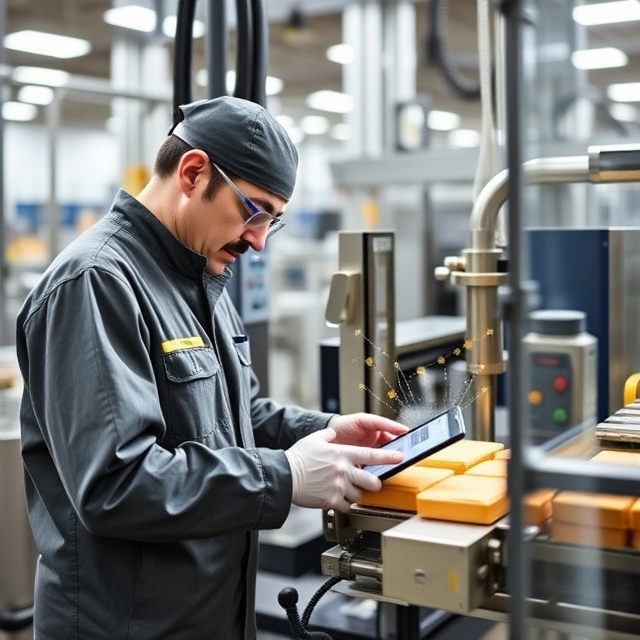
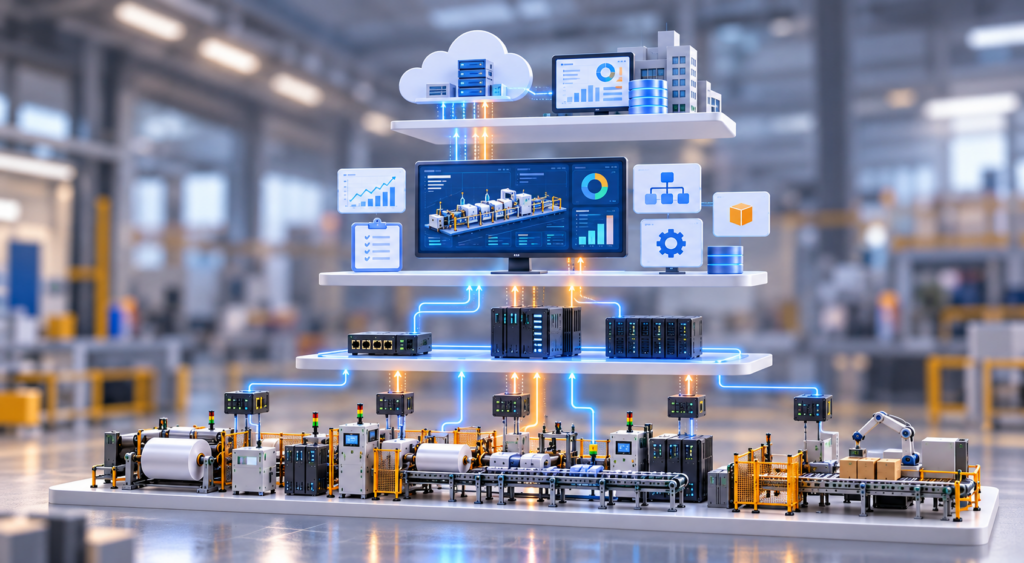
The Internet of Things (IoT) has revolutionized how packaging machinery communicates and operates. Machines are no longer standalone entities but interconnected devices exchanging data in real time.
Example:
A beverage packaging line equipped with IoT sensors can detect minute variations in temperature, pressure, or humidity. The system adjusts itself instantly, ensuring product quality and minimizing wastage.
Benefits:
- Predictive Maintenance: Sensors detect wear and tear before a breakdown occurs.
- Operational Visibility: Real-time data helps manufacturers monitor efficiency remotely.
- Waste Reduction: Precise measurements minimize material waste.
Artificial Intelligence: Smarter Decision-Making
Artificial Intelligence (AI) adds a cognitive layer to packaging machinery. It enables systems to learn from data, optimize processes, and predict outcomes with remarkable accuracy.
Example:
Nestlé integrated AI-driven packaging machines that automatically adapt to varying sizes and materials, enabling faster changeovers and reducing downtime.
Benefits:
- Adaptive Learning: Machines adjust to new materials and designs without manual intervention.
- Enhanced Quality Control: AI-powered cameras detect imperfections at a microscopic level.
- Data-Driven Insights: AI identifies patterns to optimize throughput and reduce costs.

Robotics and Automation: Precision at Scale
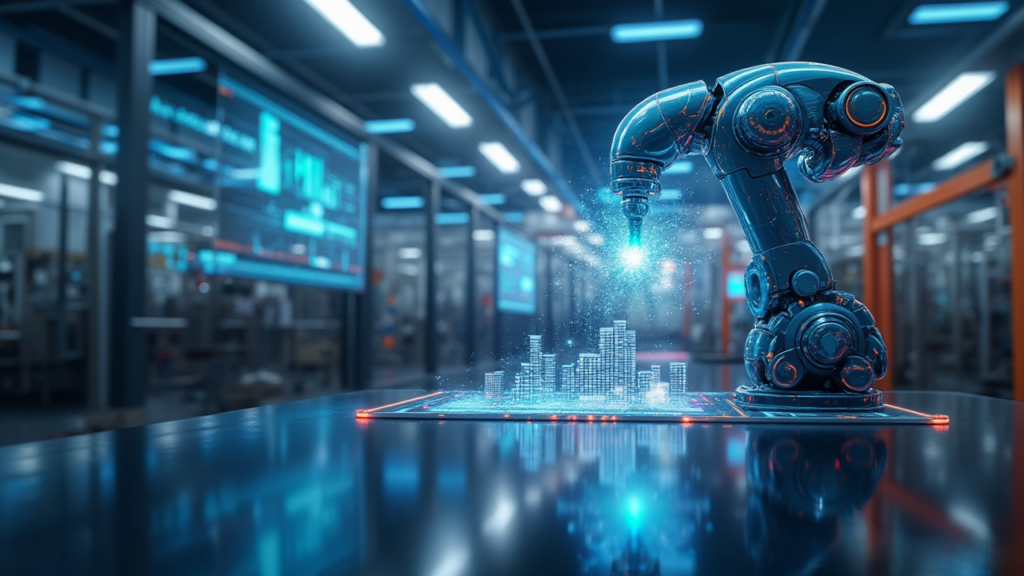
The rise of robotics has transformed the packaging floor into a symphony of precision and speed. Robotic arms, grippers, and conveyors powered by automation enhance both scalability and consistency.
Example:
Amazon’s packaging centers use robotic arms to handle fragile items with precision, reducing human error and damage rates.
Benefits:
- Speed: Robots work faster, handling high volumes efficiently.
- Consistency: Uniform packaging reduces errors.
- Flexibility: Machines can adapt to various products without significant retooling.
Digital Twins: Bridging Physical and Virtual Worlds
Digital twins—a virtual replica of a physical system—have revolutionized design and maintenance in packaging machinery. They allow manufacturers to simulate, predict, and optimize performance without halting production.
Example:
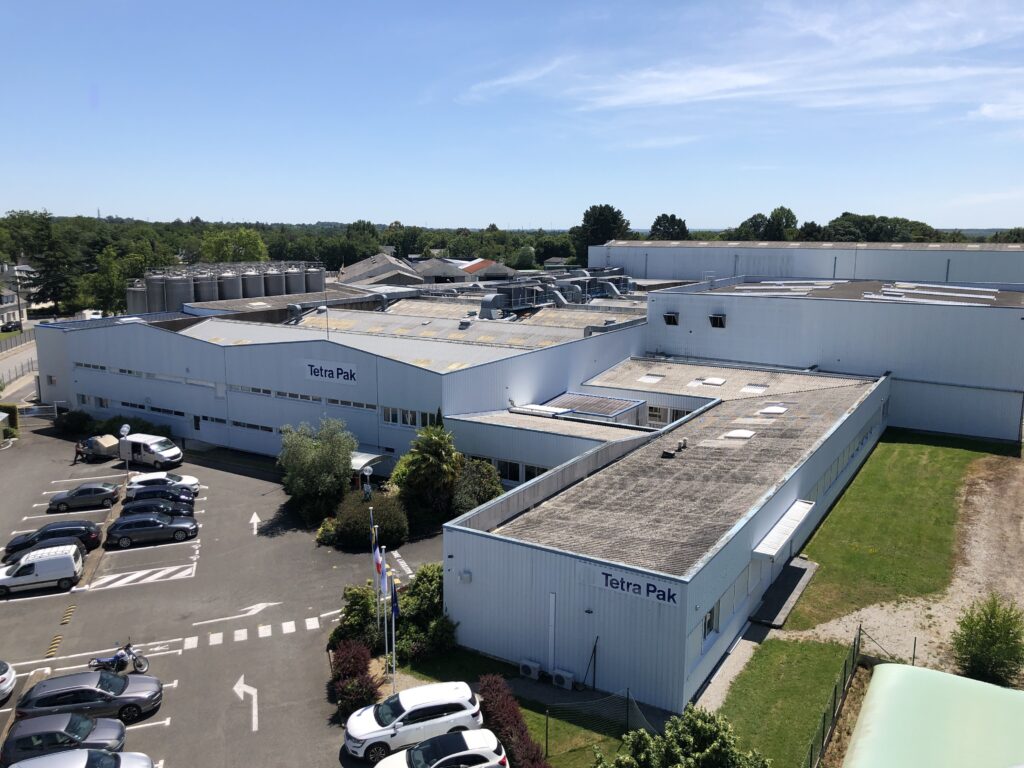
Tetra Pak uses digital twins to test new designs in a virtual environment, cutting down on prototyping costs and time.
Benefits:
- Enhanced R&D: Simulate designs to foresee performance bottlenecks.
- Real-Time Monitoring: Digital twins reflect live machine operations.
- Cost Efficiency: Prevents production losses during testing phases.
Sustainability Through Digital Innovation

Sustainability has become an integral aspect of packaging, and digital transformation is helping companies achieve their green goals. Machines now optimize energy use, reduce waste, and work with biodegradable materials.
Example:
PepsiCo’s packaging machines, enhanced with IoT and AI, calculate the exact amount of material required for each package, cutting plastic waste by 35%.
Benefits:
- Material Efficiency: Reduces raw material usage.
- Energy Optimization: Monitors and minimizes energy consumption.
- Circular Economy: Enables easy recycling through better material handling.
Enhanced User Experience with HMI
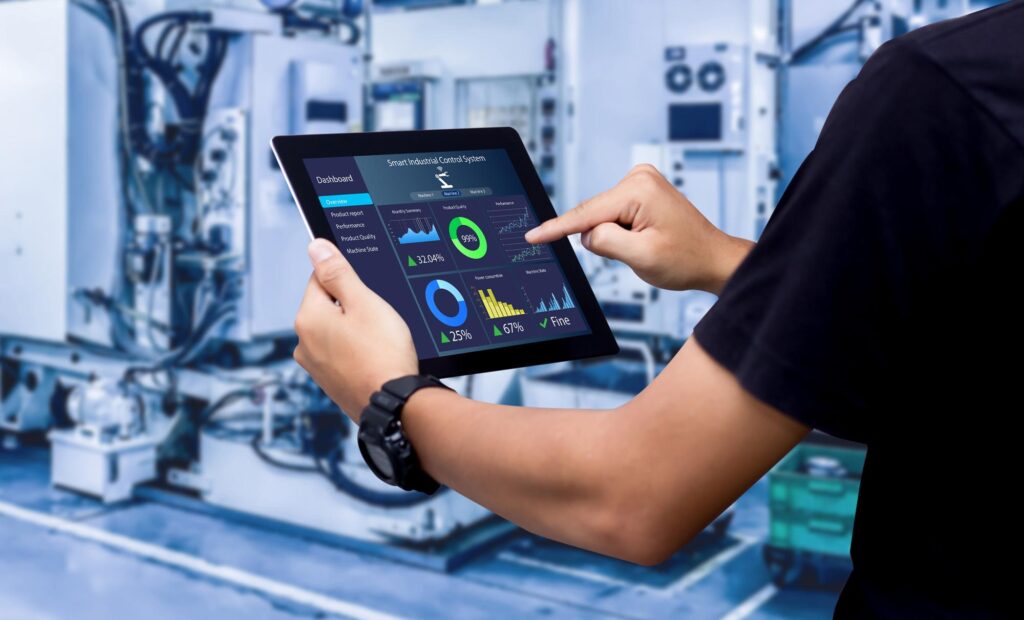
Human-machine interfaces (HMI) make complex systems more user-friendly. Intuitive touchscreens and dashboards simplify machine operations, even for non-technical users.
Example:
Bosch Packaging’s HMI integrates voice commands, allowing operators to troubleshoot issues hands-free.
Benefits:
- Ease of Use: Simplified controls reduce training time.
- Real-Time Alerts: Operators receive instant notifications for anomalies.
- Customization: Dashboards can be tailored to user preferences.
The Challenges: Navigating Digital Transformation
While the benefits are immense, digital transformation comes with its share of challenges:
- High Initial Investment: Advanced technologies require significant capital.
- Skill Gap: Training workers to handle digital systems is essential.
- Data Security: Interconnected systems are vulnerable to cyberattacks.
However, the long-term benefits far outweigh these initial hurdles, making digital transformation imperative for the packaging industry.
The Road Ahead: A Call for Collaboration
Digital transformation in packaging machinery is not a one-off project but a continuous journey. Collaboration between machine manufacturers, software developers, and packaging companies will be crucial to harness the full potential of these technologies.
Conclusion:
As digital transformation continues to rewrite the rules of the game, packaging machinery is poised to become more intelligent, efficient, and sustainable. Companies that embrace this change will not only thrive in a competitive market but also contribute to a more eco-friendly future.
The question is no longer if digital transformation will shape the future of packaging machinery, but how quickly companies can adapt to stay ahead.
References –
https://www.packagingdigest.com/trends-issues/has-packaging-reached-its-digital-transformation-moment-
https://www.packworld.com/leaders-new/materials/protective-transport-packaging/article/22893615/amazons-ai-model-intuitively-rightsizes-packaging
https://www.tetrapak.com/en-in/solutions/automation