
Solar Energy Financing Options: Understanding Loans, Leases, and PPAs
As the demand for clean, renewable energy grows, solar power has become a practical and increasingly popular choice for homeowners and businesses. While the cost of solar panel technology has decreased significantly over the last decade, the initial investment still poses a barrier for many. Various financing models have emerged to bridge that gap, most notably solar loans, leases, and power purchase agreements (PPAs). Each option serves different financial situations and energy goals, so it’s important to understand how they work before committing.
Solar Loans: Investing in Ownership
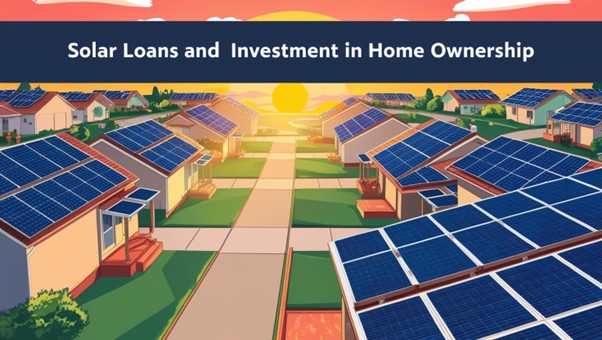
A solar loan is essentially a financing tool that lets you purchase a solar energy system upfront, but pay for it over time. You retain ownership from day one, which opens the door to valuable incentives such as the federal Investment Tax Credit (ITC), state-level rebates, and potential property tax exemptions. Because you own the system, any long-term savings from reduced electricity bills go directly to you. These loans typically come in two forms: secured (tied to home equity) and unsecured (based on creditworthiness alone).
Solar loans are ideal for homeowners who view solar panels as a long-term investment. Ownership often leads to the highest return over the system’s lifespan, usually 25 years or more. However, you are also taking on the responsibility for maintenance, unless you purchase a service package or extended warranty. Some solar providers bundle loans with performance guarantees to ease this concern.
Solar Leases: Access Without Ownership
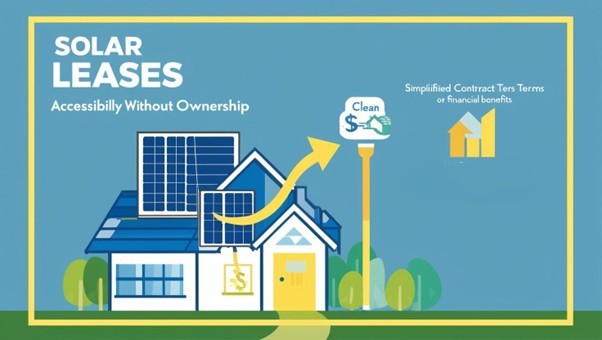
With a solar lease, the solar company installs and retains ownership of the system, while you pay a fixed monthly fee to use the electricity it generates. This setup appeals to those who want to avoid a large upfront expense and aren’t interested in managing or maintaining the system. The solar provider typically handles all servicing and performance monitoring.
Leases usually span 15 to 25 years and are designed to offer predictable, stable payments. However, because you do not own the system, you are not eligible for tax credits or incentives. Additionally, transferring a lease to a new homeowner can be a sticking point during a property sale—some buyers may be reluctant to assume the lease unless the savings are demonstrated.
Power Purchase Agreements (PPAs): Buy the Power, Not the Panels
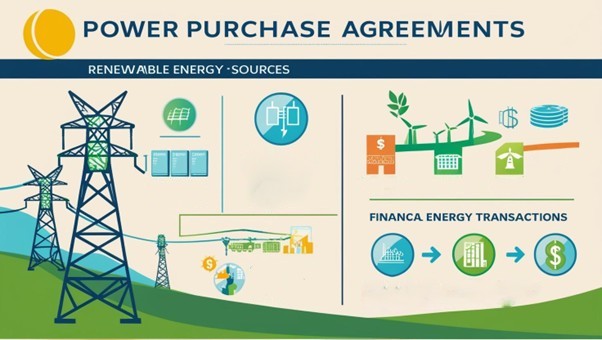
A PPA shares similarities with a lease in that the solar provider owns and maintains the system. However, rather than paying a flat monthly fee, you pay only for the electricity your system produces, typically at a rate lower than your local utility. This usage-based billing model can lead to immediate monthly savings without the need for a loan or large cash investment.
PPAs are popular in both residential and commercial markets due to their flexibility and minimal financial barrier to entry. However, some agreements include escalation clauses that gradually increase your per-kilowatt-hour (kWh) cost over time, potentially narrowing the savings margin in later years. And like leases, PPAs can complicate the resale process if prospective buyers are unwilling to inherit the agreement.
Deciding Which Option Fits You

The right financing model depends largely on your financial goals, how long you plan to stay in your home, and your appetite for ownership. For instance, if maximizing financial return and long-term energy independence is your priority, a loan likely makes the most sense. If you’re more interested in short-term savings with minimal hassle, then a lease or PPA could be the better fit.
Each of these options serves a unique need. Loans offer autonomy and financial return, leases provide convenience, and PPAs deliver affordability with zero maintenance. Comparing quotes from multiple providers and reviewing contract terms carefully can help you avoid hidden fees or unfavorable clauses, such as rate escalators or early termination penalties.
The Broader Impact of Financing Solar
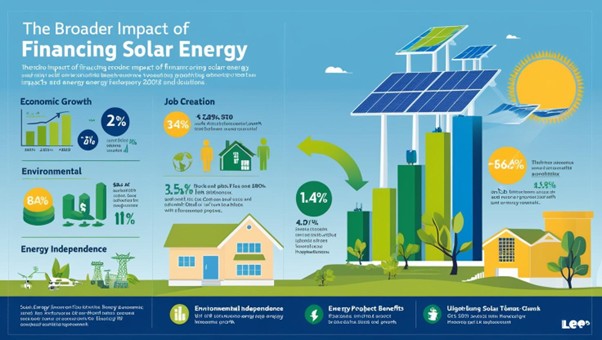
Regardless of the path chosen, solar financing is playing a critical role in accelerating the adoption of renewable energy across the country. These models make it possible for more people to benefit from clean power without requiring the full upfront cost. In turn, this expands access to solar energy beyond affluent homeowners, contributing to broader sustainability goals and grid resilience.
Final Thoughts
Navigating solar financing doesn’t have to be overwhelming. By understanding the structure and implications of loans, leases, and PPAs, you can align your choice with your budget, lifestyle, and environmental values. Whichever option you choose, you’re contributing to a more sustainable future—one that benefits not only your household but also your community and the planet.
https://energyselectllc.com/solar-own-vs-lease/
https://www.myhomesolar.uk/financing-solar-energy-loans-leases-and-ppas-explained/