
Innovations in Solar-Powered Gadgets
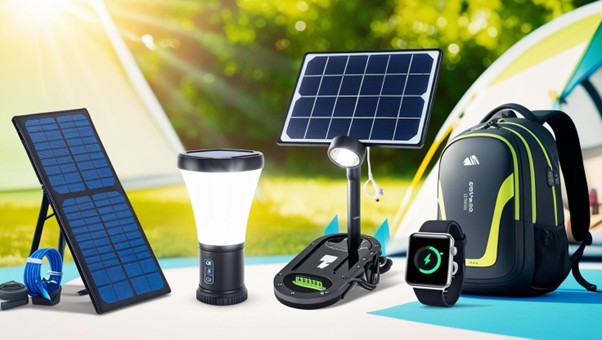
Solar-Powered Gadgets: Innovations in Portable Energy As the world grapples with the consequences of climate change and the increasing demand for clean energy, solar-powered gadgets have emerged as a game-changer in portable technology. What once began with simple calculators and garden lights has evolved into a wave of innovative devices that harness the sun’s power for a wide range of practical applications. Today, from charging your smartphone in the middle of a desert hike to purifying water in remote villages, solar-powered gadgets are redefining convenience, sustainability, and mobility. The Rise of Portable Solar Tech One of the key drivers behind the surge in solar-powered gadgets is the dramatic improvement in photovoltaic (PV) cell efficiency and battery storage capabilities. As these technologies become smaller, lighter, and more affordable, they are finding their way into everyday gadgets designed for urban users, travelers, campers, and even emergency responders. Solar-Powered Chargers and Power Banks Perhaps the most widely recognized solar-powered gadget is the solar charger. These compact panels, often foldable and lightweight, convert sunlight into electricity that can be used to charge phones, tablets, cameras, and other small electronics. Advanced solar power banks now come with high-capacity batteries, fast charging features, and weather-resistant designs, making them essential tools for travelers and outdoor enthusiasts. Brands like Anker, Goal Zero, and BigBlue offer rugged models that can fully charge a smartphone in just a few hours under direct sunlight. Solar Backpacks: Power While You Move Solar backpacks have become increasingly popular among hikers, students, and digital nomads. These backpacks integrate flexible solar panels into the fabric, allowing users to charge their devices while on the move. Some even include USB ports, battery storage, and LED indicators. Beyond just charging phones, solar backpacks have found applications in disaster relief zones and remote areas where electricity is a luxury. Solar-Powered Lights and Lanterns Solar lighting is one of the most transformative applications of portable solar power, especially in regions with limited access to electricity. Compact solar lanterns and torches, often equipped with LED bulbs and rechargeable batteries, provide reliable lighting for homes, campsites, and emergency kits. Some models, such as the Luci Solar Light, are inflatable, waterproof, and ultra-portable—perfect for both recreational use and humanitarian aid. In urban settings, solar garden lights and motion-sensor security lights are increasingly common, offering a sustainable alternative to grid-powered lighting without compromising on aesthetics or functionality. Wearable Solar Tech Wearable solar-powered devices represent the future of integrated energy solutions. Solar-powered watches have been around for years, with brands like Casio and Citizen offering long-lasting models. However, the innovation doesn’t stop there. Recent developments have led to the creation of solar-powered fitness bands, smartwatches, and even clothing embedded with thin, flexible PV cells that can harvest solar energy while being worn. This wearable solar technology has the potential to power sensors, track health data, and keep users connected without the need for frequent charging. Solar Cookers and Ovens Solar cookers are another remarkable innovation, especially for off-grid communities and environmentally conscious campers. These devices use reflective panels to concentrate sunlight and heat food without gas, firewood, or electricity. Brands like GoSun have designed portable solar ovens that can bake, boil, or fry food in just 20 minutes, making outdoor cooking both sustainable and convenient. These cookers not only reduce deforestation and pollution but also promote healthier lifestyles in developing regions. Solar-Powered Water Purifiers Clean water is still a challenge in many parts of the world, and solar-powered water purifiers are addressing this issue head-on. Devices like the SolarBag and SODIS (Solar Water Disinfection) systems use UV radiation and heat from sunlight to kill bacteria and viruses in contaminated water. These purifiers are lightweight, easy to use, and require no chemicals or electricity, making them invaluable in disaster relief, remote travel, and developing countries. Solar-Powered Coolers and Refrigerators Solar-powered coolers are revolutionizing outdoor adventures and medical logistics alike. These gadgets, equipped with solar panels and thermal insulation, can keep food and medicine cool without ice or power cords. Companies like GoSun and EcoSolarCool have developed solar fridges and coolers that are particularly useful for camping, picnics, or transporting vaccines in areas without reliable electricity. The Future of Portable Solar Energy As innovation continues, the line between gadget and energy source is blurring. Emerging technologies like solar-integrated drones, solar-powered tents, and even solar panel-equipped vehicles hint at a future where we generate and consume energy wherever we go. Moreover, advances in transparent solar panels and organic photovoltaics suggest that windows, fabrics, and everyday surfaces may soon double as energy-harvesting tools. Governments and tech companies are increasingly investing in solar research and incentives, pushing the boundaries of what’s possible in the portable energy space. The fusion of AI, IoT, and solar tech could lead to smart, autonomous devices that adapt to sunlight patterns, optimize power usage, and support sustainable living like never before. Conclusion Solar-powered gadgets are no longer niche novelties—they’re essential components of a more sustainable and mobile future. Whether you’re trekking through the Himalayas, living in an off-grid village, or simply commuting in a power-conscious city, these innovations offer freedom from fossil fuels and access to clean, renewable energy. As technology continues to evolve, solar-powered gadgets will not only empower individuals but also contribute to a more resilient and eco-friendly world. References: https://tamesol.com/en/solar-energy-innovations/ https://arka360.com/ros/solar-powered-cooling-benefits-challenges https://solarmagazine.com/solar-lights/