

Ignition Unlimited Licensing Explained: How It Affects Long-Term Manufacturing Cost
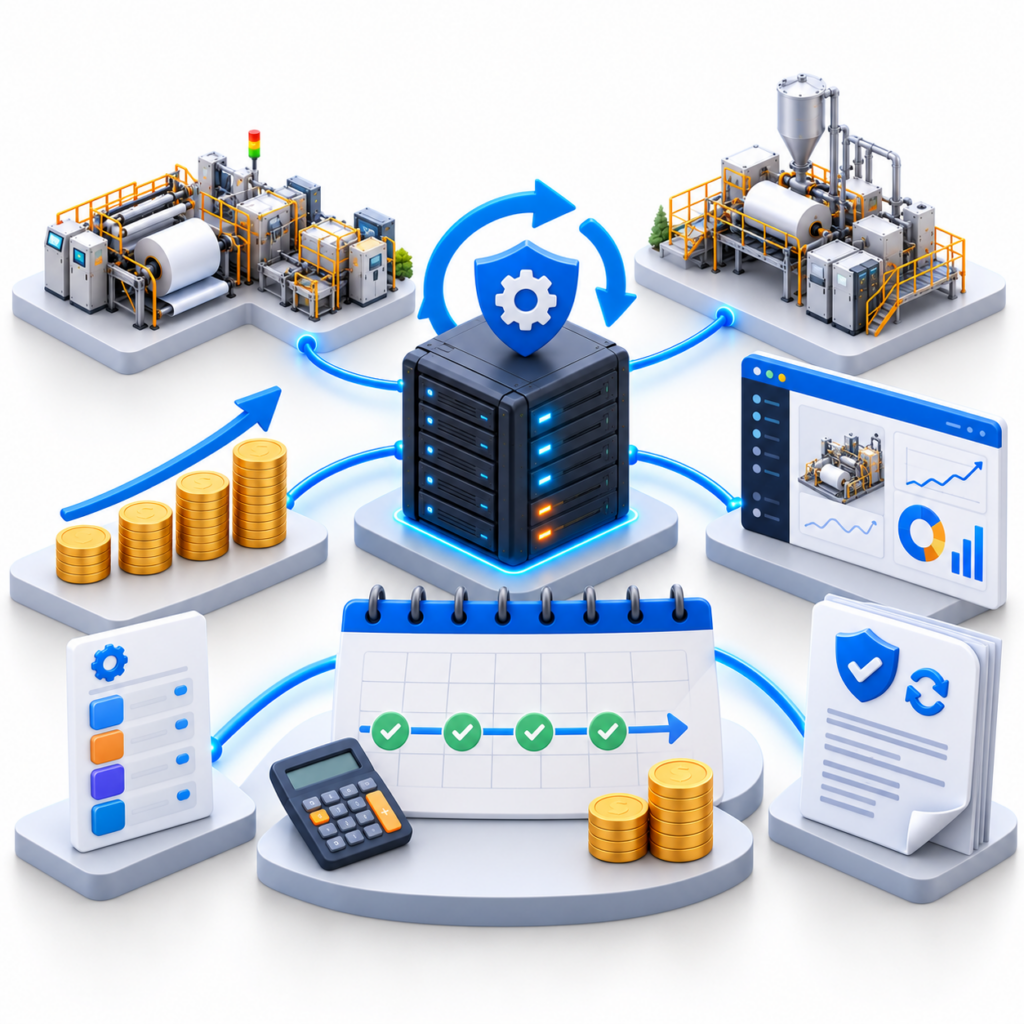
Ignition unlimited licensing means Inductive Automation sells Ignition by the server, not by the tag, client or connection. One server license allows unlimited tags, clients, connections and designers, limited only by the hardware it runs on. For plants whose data points and users keep growing, this can lower long-term cost. It does not make Ignition free: modules, support, hardware and engineering effort still apply.
What Is Ignition Unlimited Licensing?
Ignition is an industrial software platform used for SCADA, HMI, historian and MES-style applications. Its licensing model is the unusual part. According to Inductive Automation, one license provides an unlimited number of clients, tags and connections, and the only practical limit is the performance of the server.
In practice, the licensed unit is the Ignition Gateway, the server that connects to PLCs, databases and other systems. Clients launch from that server, so adding another operator screen does not add a license line item.
Fact versus analysis: The unlimited scope is Inductive Automation’s published position. The cost implications in the rest of this article are analysis, not guaranteed outcomes.

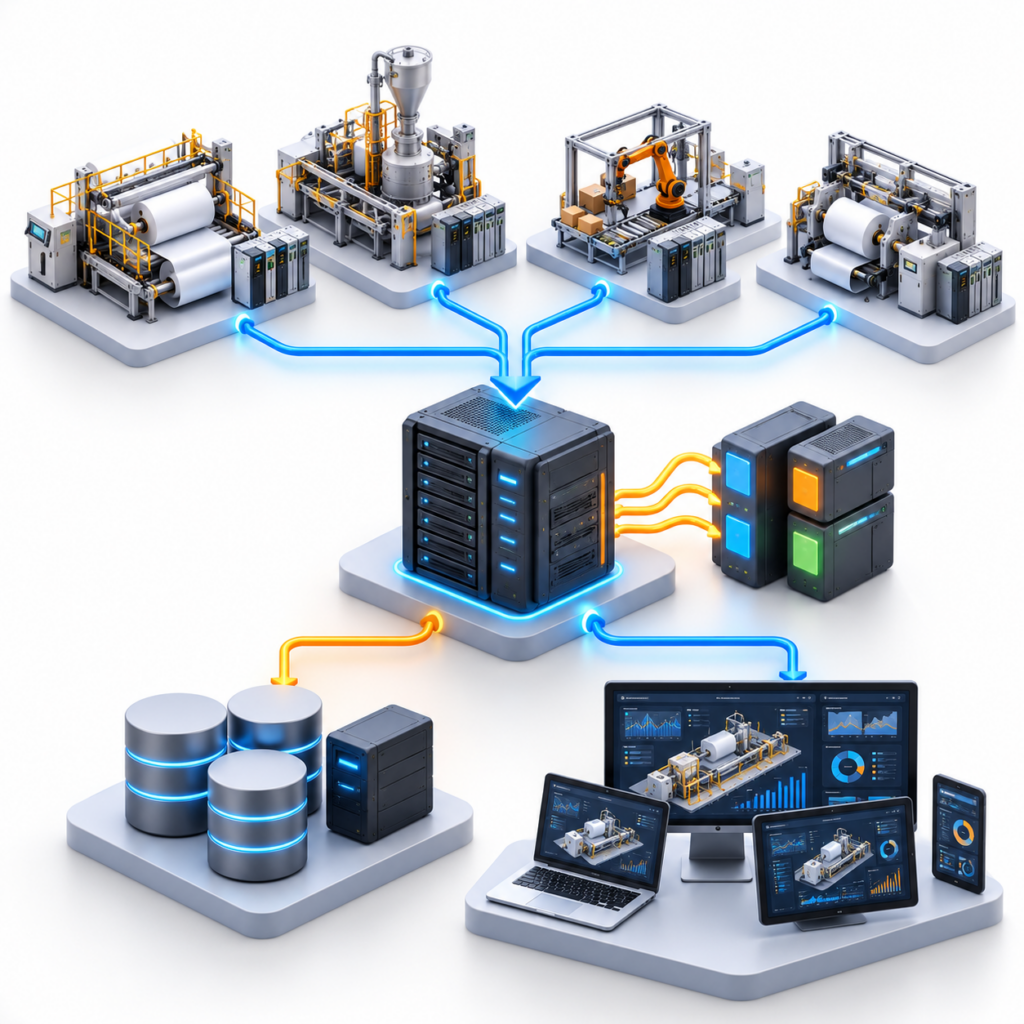
How the Licensing Model Fits the Architecture
Each layer matters for cost:
- Machines and PLCs feed data in. Adding a machine adds tags and connections, which are not license-limited.
- The Gateway is where the license lives. Modules are attached to the core license, and community guidance from Inductive Automation’s forum notes that the whole gateway must run the same version.
- Clients are launched from the Gateway, so the number of people viewing data does not change the license.
- The database is usually separate software with its own licensing, if you choose a commercial product.
Because everything centers on one server, cost planning becomes a question of how many gateways you need and which modules they run, not how many tags or screens you build.
What Does "Unlimited" Actually Cover?
Item | Under Ignition’s unlimited licensing |
Tags | No license limit on tag count |
Run-time clients | No per-client fee |
Connections | No per-connection fee for PLCs, databases or devices |
Designers | Unlimited, including concurrent use |
Server hardware | Still a real limit |
The last row matters. Inductive Automation states that a server can be overloaded if pushed too hard, so large systems may need a tuned or multi-server architecture. Unlimited licensing removes the license ceiling, not the engineering ceiling.
What Is Not Included?
This is where cost estimates most often go wrong. Unlimited does not mean everything is bundled.
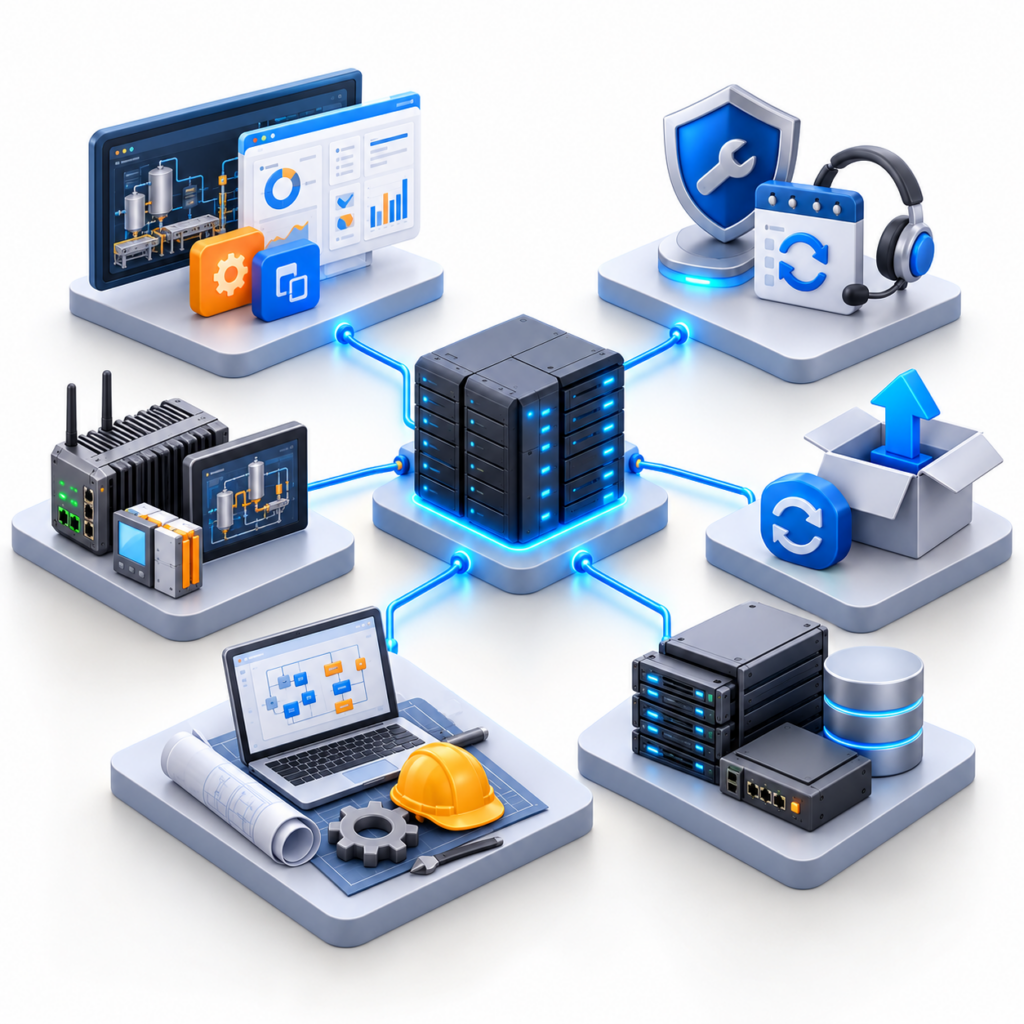
- Module. Capabilities such as visualization (Perspective or Vision) and other add-ons are licensed as modules on top of the core license. Prices change, so confirm current figures with Inductive Automation or a distributor.
- Support and upgrades. Inductive Automation’s support plans are priced as a percentage of the original retail license price, roughly 16% to 24% per year depending on tier, and all include upgrade protection.
- Upgrades without support. Inductive Automation states that upgrading to a new major version without a support plan costs 65% of the software’s current retail price.
- Hardware and databases. Servers, redundancy and any commercial SQL database are separate costs.
- Edge editions. Ignition Edge is a reduced-cost, limited edition. Edge Panel, for example, includes two Perspective sessions or one local and one remote Vision client.
- Engineering. Tag modeling, screens, production logic and commissioning remain labor, regardless of license.
How Per-Server Pricing Differs From Per-Tag Pricing
Inductive Automation notes that some industrial software vendors still charge for every client and every tag. Under that approach, cost steps up as data and users grow. Under a per-server model, cost steps up as modules, servers or support requirements grow.
A simple way to compare the two (analysis):
- Tag- or seat-priced platform: base license + tag-tier upgrades + client licenses + support
- Ignition: server license + chosen modules + support + server capacity
The second formula contains no variable tied to tag count or the number of operators. That is the structural difference.
Cost driver | Tag- or seat-priced model | Ignition per-server model |
Adding tags | Can move you to a higher tier | No license change |
Adding operators | May need more client licenses | No license change |
Adding a module | Depends on vendor | Adds module cost |
Adding a site | Depends on vendor | Typically another server license |
Hardware load | Usually secondary | A real constraint |
The table is a general comparison. Individual vendors differ, so check each quote against your own growth plan.
Where Long-Term Savings Can Come From
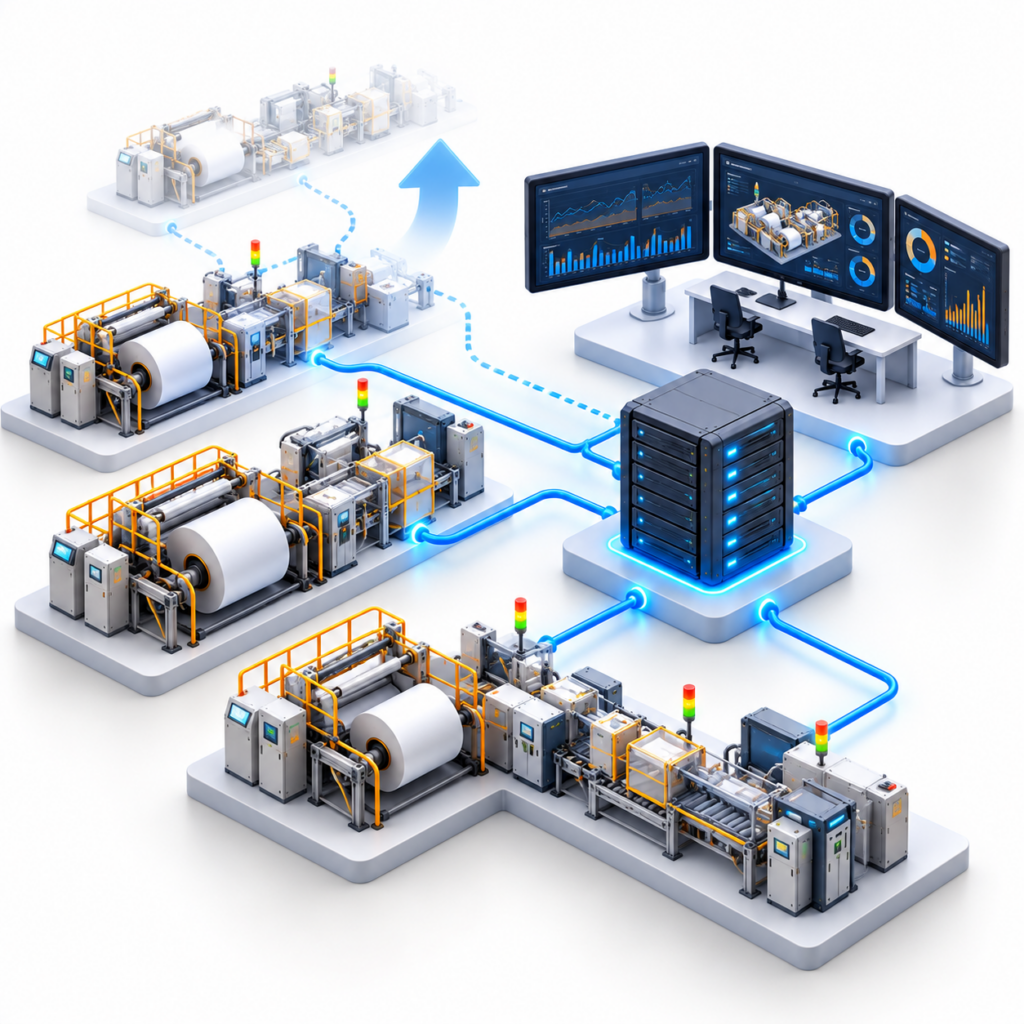
Data growth without relicensing
Plants rarely stop adding data. An OEE project might begin with a few hundred tags on one line, then expand to energy, quality and maintenance data. When the license is not tied to tag count, adding a machine does not trigger a license review.
Wider access to production data
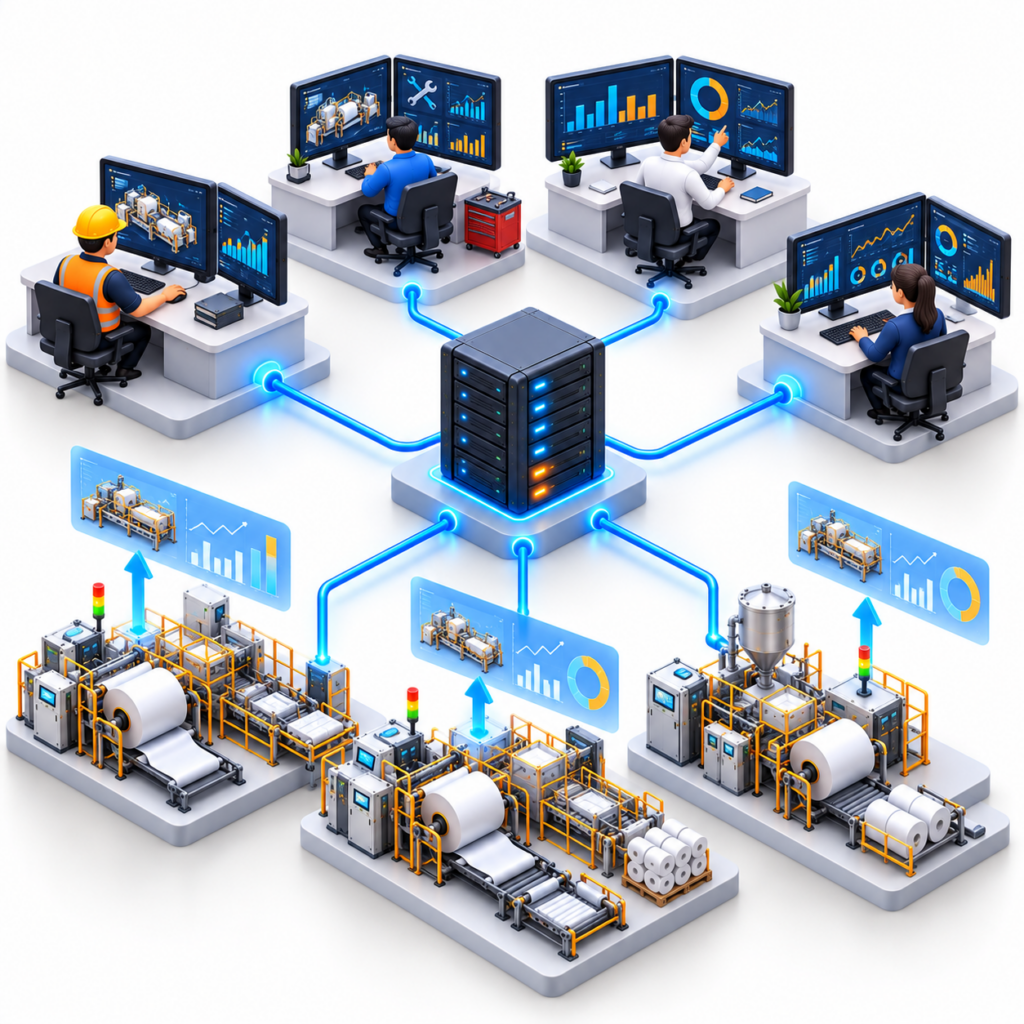
Because clients are web-launched from the server and not licensed individually, operators, maintenance, quality and supervisors can all view the same data without per-seat fees. The cost question becomes server capacity, not seat count.
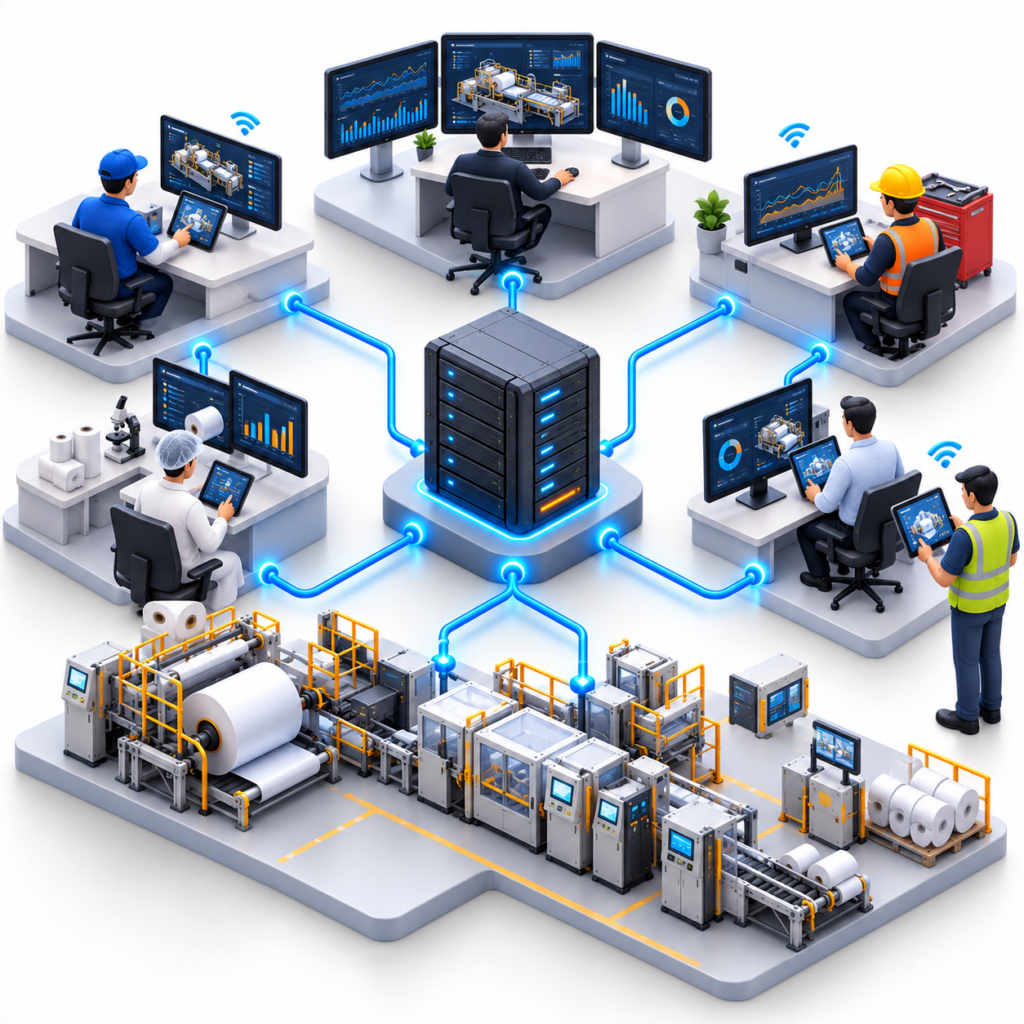

Team and multi-site development
Unlimited designers mean integrators and in-house engineers can work on projects at the same time without buying extra development seats.
More predictable budgeting
Because license cost does not scale with data volume, the main recurring item is the support plan, which is calculated from the original retail license price. That makes multi-year budgets easier to model, provided the module list is stable.
A Support Cost Model You Can Reuse
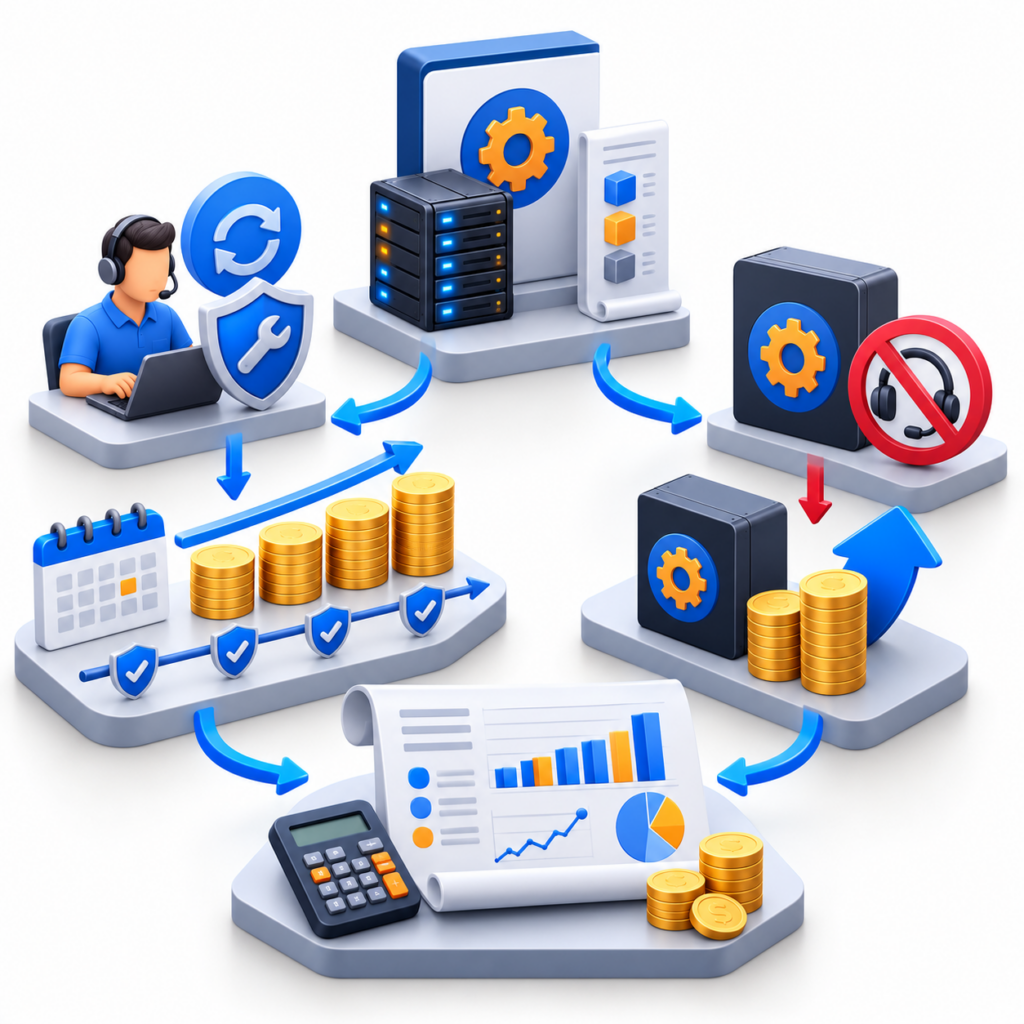
Support is the part of Ignition cost that repeats every year, so it deserves its own calculation. Let L be the original retail license price of your core license plus modules. Using Inductive Automation’s published percentages (analysis, arithmetic only):
- BasicCare at 16%: about 0.16 × L per year, or about 0.80 × L over five years.
- Declining support, then upgrading later:65 × the current retail price at the time of the upgrade, as a one-time cost.
Two points follow from this. First, over a long horizon, continuous support can approach the original license price, so it belongs in any five-year comparison. Second, skipping support is not automatically cheaper, because a later major upgrade carries a large single charge. The better choice depends on whether you expect to need new versions, security fixes and vendor help. Use current quotes, since percentages and prices can change.
Example
Scenario: A packaging plant with three lines starts with SCADA on one line.
Current problem: Downtime is logged manually, and managers want OEE dashboards across all lines.
Expansion path: Machine states and production counts from the other two lines are added, then dashboards for maintenance and supervisors.
License impact: Under a per-tag or per-seat model, each step could require a license review. Under Ignition, the expansion mainly requires engineering time, possibly additional modules, and enough server capacity. No cost figures are claimed here, because actual quotes depend on modules, support level and current pricing.
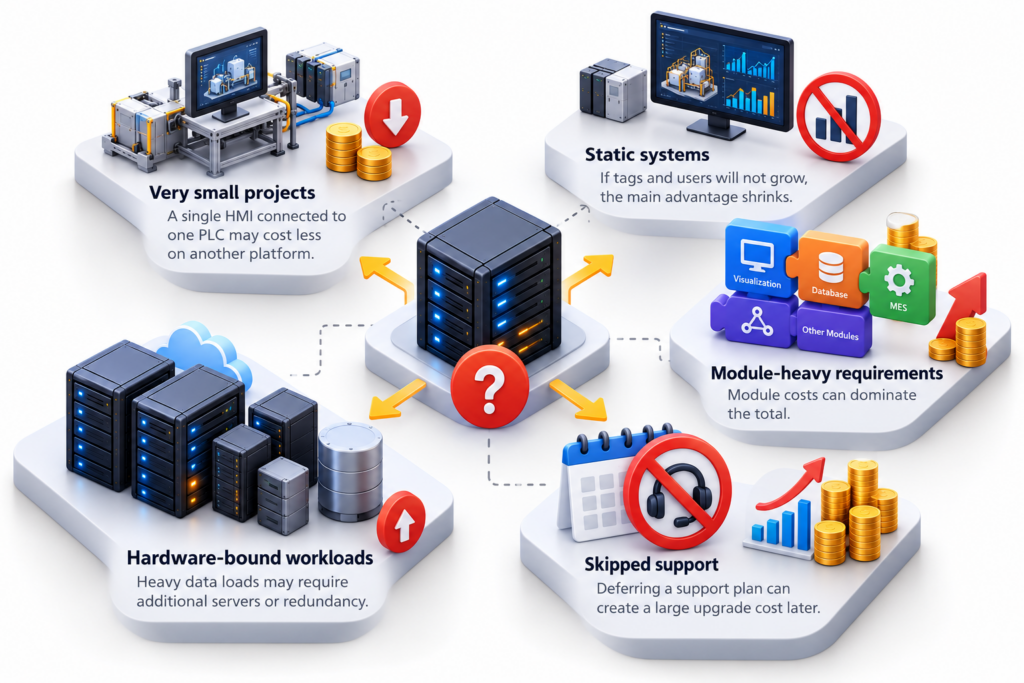
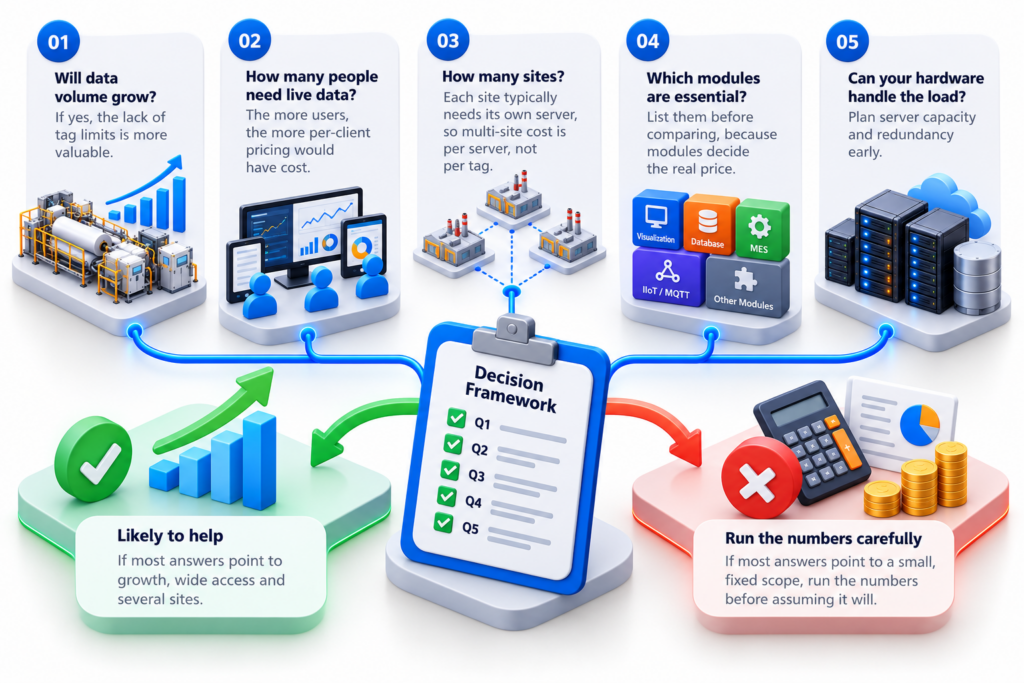
When Unlimited Licensing May Not Save Money
A Simple Decision Framework
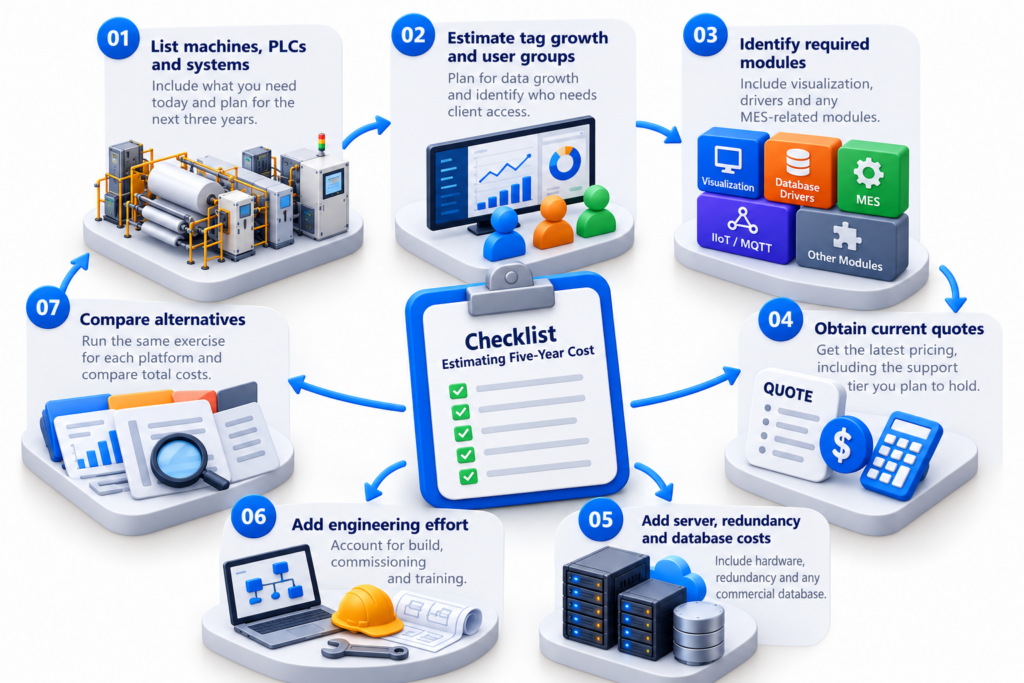
Checklist: Estimating Five-Year Cost
- List every machine, PLC and system you need to connect today and in three years.
- Estimate tag growth and user groups, and who needs client access.
- Identify required modules, including visualization, drivers and any MES-related modules.
- Obtain current quotes, including the support tier you intend to hold.
- Add server, redundancy and database costs.
- Add engineering effort for build, commissioning and training.
- Run the same exercise for each alternative platform and compare totals.
Conclusion
Ignition’s unlimited licensing shifts cost drivers away from data volume and user count toward modules, support, hardware and engineering. For plants expecting to add lines, tags and dashboards over time, that structure can make costs easier to predict and may reduce relicensing as the system grows. It is less compelling for small, static projects or designs that need many paid modules. Before deciding, estimate five-year cost under each option, including support and upgrades. For plants assessing an Ignition-based SCADA or MES architecture, a practical starting point is to map machines, expected data growth, user groups and required modules before requesting a quote.
Contact our Ignition SCADA specialists directly:
Email: sales@ingsol.com
Phone (India): +91 95608 11774
Phone (US): +1 347 570 2629
Our engineers will review your current setup and outline a practical upgrade path built for your plant.