
What Is Ignition SCADA and Why Are US Manufacturers Switching to It
US manufacturers face constant pressure on uptime, quality, and cost. Many plants still run on decades-old SCADA systems. These legacy systems are rigid. They are also costly to scale. In addition, they rarely connect well to modern IIoT and MES tools. Ignition SCADA offers a different approach. It runs on open standards and flexible licensing. As a result, plant leaders can modernise without heavy licensing costs. Because of that, more US manufacturers now choose Ignition SCADA over legacy platforms. This guide explains what Ignition SCADA is. It also compares Ignition SCADA to legacy systems. Finally, it explains why so many US manufacturers are switching to it.
Why Traditional SCADA Systems Fall Short
Legacy SCADA systems were built for a different era. Most charge per-tag or per-client fees. This pricing model limits growth. In addition, older platforms often need specialised programming languages. This raises training costs and slows deployment. Furthermore, many legacy systems don’t integrate well with IIoT sensors or cloud analytics. As a result, plant leaders end up with disconnected data instead of one clear view. Moreover, legacy systems often need costly hardware upgrades just to add new tags. These constraints add up over time. As a result, total cost of ownership climbs year after year.

Ignition SCADA vs. Legacy SCADA at a Glance
Factor | Ignition SCADA | Legacy SCADA |
Licensing | Unlimited, server-based | Per-tag or per-client |
Access | Any browser, any device | Dedicated client install |
Protocols | MQTT, OPC-UA, native IIoT | Limited, often proprietary |
Customization | Open, Java and Python | Vendor-restricted |
Scaling cost | Flat, predictable | Rises with tags and clients |
Why US Manufacturers Are Switching to Ignition SCADA

Unlimited Licensing Model
Ignition SCADA uses a server-based license instead of per-tag fees. Plants can add unlimited screens, clients, and connections at no extra cost. This model lowers total cost of ownership significantly. As a result, plant owners can scale without budget surprises
Web-Based Architecture
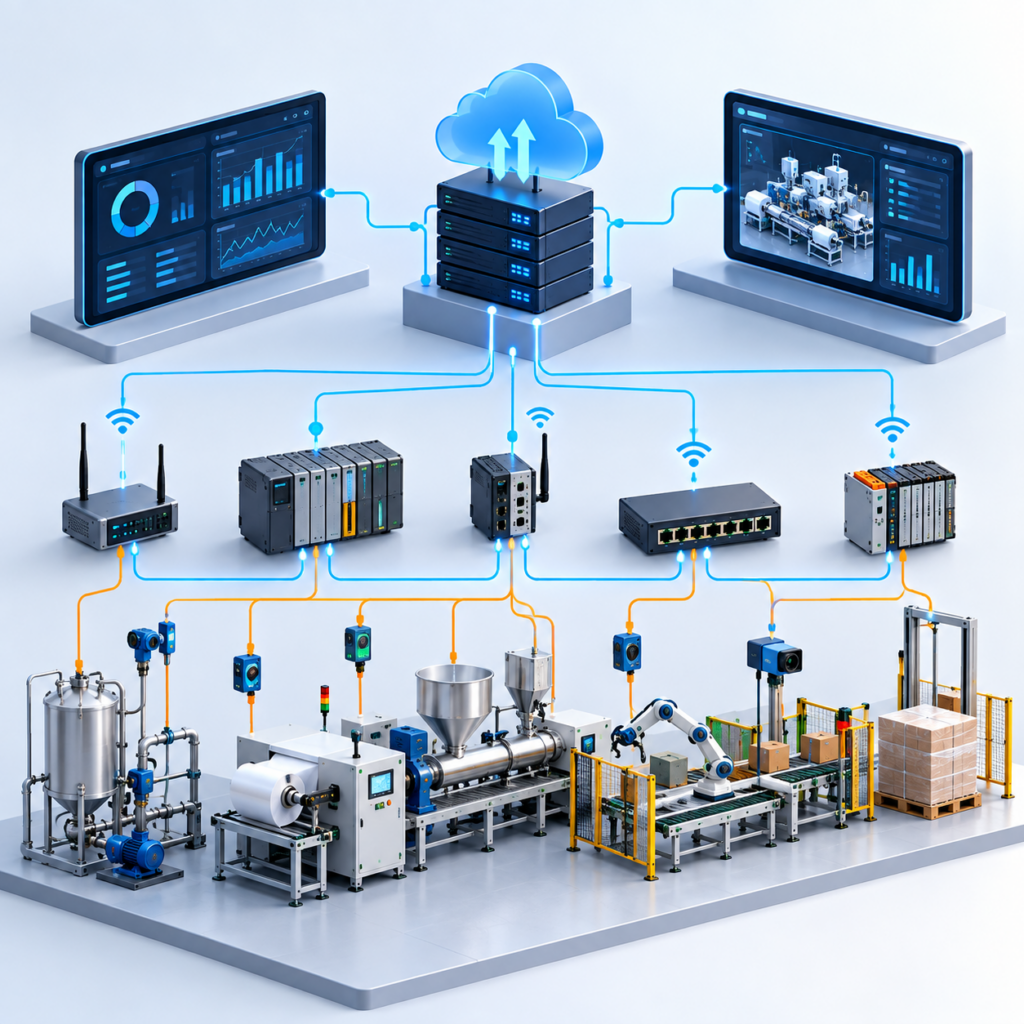
Ignition SCADA deploys from a central server to any browser. Operators no longer install software on every workstation. As a result, this reduces IT overhead across multiple sites. It also gives operations leaders remote visibility into plant performance.


Native IIoT and MES Integration
Ignition SCADA connects directly with IIoT devices, PLCs, and MES platforms. It supports MQTT, OPC-UA, and other industrial protocols by default. As a result, it is easier to build a connected plant floor. INGSOL’s Digital Transformation team often pairs Ignition SCADA with MES. Together, they give operations leaders one complete production picture.
An Open, Customizable Platform
Ignition SCADA is built on Java and Python. Engineers can customise modules without vendor restrictions. As a result, this flexibility supports long-term growth. It also reduces vendor lock-in risk.
Wonderware SCADA: A Familiar, Established Option

Wonderware, now part of AVEVA, has served industrial plants for decades. Many legacy systems still run on Wonderware today. Consequently, plants with existing Wonderware infrastructure often stay within that ecosystem.
However, licensing costs typically scale with tags and connected clients. Consequently, this can raise expenses as a plant grows its data points. In addition, some manufacturers report a steeper learning curve for new engineers.
Still, Wonderware remains a capable platform for plants that value stability. Meanwhile, its long market history means many integrators know the system well. However, newer features like mobile access often require add-on modules.
As a result, total costs can climb beyond the initial license price. For plants with stable, unchanging operations, Wonderware can still work well.

Real-World Applications on the Plant Floor

Ignition SCADA supports many use cases beyond basic monitoring. The examples below are common across US plants.
- Downtime tracking: Plants use Ignition SCADA to log machine stops in real time. This data helps teams find root causes faster.
- Quality control: Operators use Ignition SCADA dashboards to catch defects earlier. Early detection reduces scrap and rework costs.
- Energy monitoring: Ignition SCADA tracks energy use across equipment and lines. This visibility supports sustainability goals and cost control.
- Predictive maintenance: Ignition SCADA feeds sensor data into maintenance schedules. As a result, plants can fix issues before failures happen.
Together, these use cases show why Ignition SCADA fits so many manufacturing environments.
Is Ignition SCADA Right for Your Plant?

Modern plants need more than visibility. They need data they can act on. Ignition SCADA works as a foundation for broader Industrial IoT and Industrial AI initiatives. When paired with an MES layer, it connects machine data to production schedules and quality records. As a result, raw plant data becomes decisions operations leaders can use. Many plants also align their Ignition SCADA rollout with recognised automation standards. This alignment supports long-term consistency across sites
Is Ignition SCADA Right for Your Plant?
Not every plant needs the same platform. Ignition SCADA fits manufacturers ready to scale without rising license costs. It also fits plants ready to connect legacy equipment to IIoT and MES systems. If your team manages multiple sites, unlimited licensing alone can justify the switch. However, a sound migration plan matters as much as the platform itself. Working with an experienced integrator helps you avoid costly missteps

Conclusion:

Talk to an Ignition SCADA Specialist
INGSOL’s engineering team designs, deploys, and supports Ignition SCADA systems for US manufacturers. Reach out directly to review your current setup and next steps:
Email: sales@ingsol.com
Phone (India): +91 95608 11774
Phone (US): +1 347 570 2629