ingsol

Packaging Regulations & Legislation: Navigating Compliance and Sustainability

Packaging Regulations & Legislation

Packaging Regulations & Legislation: Navigating Compliance and Sustainability As the global focus on sustainability intensifies, packaging regulations and compliance standards are evolving rapidly. Governments and regulatory bodies worldwide are enforcing stricter policies to reduce packaging waste and promote eco-friendly alternatives. Packaging companies must stay updated on these regulations to ensure compliance and minimize environmental impact. Key aspects include new regulatory updates, their impact on design and production, and the role of Extended Producer Responsibility (EPR) in waste management. Updates on Packaging Regulations and Compliance Standards The packaging industry is subject to increasing regulations aimed at reducing waste and encouraging sustainability. Some recent updates include: EU Packaging and Packaging Waste Regulation (PPWR): This aims to make all packaging recyclable or reusable by 2030, enforcing strict material and labeling requirements. S. State-Specific Packaging Laws: Several states, including California and New York, have introduced regulations focusing on plastic bans, mandatory recycling targets, and EPR programs. India’s Plastic Waste Management Rules: Strengthened regulations on single-use plastics, compelling producers to adopt sustainable alternatives and improve recycling initiatives. UK Plastic Packaging Tax: Introduced to encourage recycled plastic use in packaging, affecting businesses using less than 30% recycled content. China’s Green Packaging Guidelines: Focuses on reducing excessive packaging, particularly in the e-commerce and food industries. Understanding and adhering to these regulations helps businesses avoid legal repercussions and align with sustainable packaging trends. Impact of New Regulations on Packaging Design and Production Stringent packaging regulations drive innovation and necessitate changes in design and production processes. Some key impacts include: Material Selection: Regulations promoting sustainability encourage businesses to adopt biodegradable, compostable, or recycled materials instead of conventional plastics. Eco-Friendly Packaging Design: Companies must focus on minimizing packaging size, using recyclable components, and designing packaging for easy disassembly. Supply Chain Adjustments: Compliance often requires changes in sourcing materials, working with certified suppliers, and ensuring traceability. Labeling and Transparency: New laws mandate clear labeling of recyclable content, disposal instructions, and material composition. Increased Costs and Investments: Businesses may face higher production costs due to regulatory compliance but can offset these with sustainable branding and consumer trust. Implementing Extended Producer Responsibility (EPR) Programs for Packaging Waste Management Extended Producer Responsibility (EPR) is a policy framework that makes manufacturers accountable for the entire lifecycle of their packaging, from production to post-consumer disposal. Implementing EPR programs involves: Setting Up Collection and Recycling Infrastructure: Businesses must establish systems for collecting used packaging and ensuring proper recycling or disposal. Developing Take-Back Schemes: Encouraging consumers to return used packaging through deposit return schemes or brand-led collection programs. Eco-Modulation Fees: Many governments impose fees based on a product’s recyclability, incentivizing companies to use sustainable materials. Collaboration with Waste Management Firms: Partnering with recycling and waste management entities helps streamline EPR implementation. Consumer Awareness Initiatives: Educating consumers about responsible disposal and recycling options ensures higher participation in waste management efforts. The Role of Businesses in EPR Initiatives Businesses play a crucial role in driving EPR initiatives, ensuring sustainable packaging practices while maintaining compliance. Their responsibilities include: Designing Sustainable Packaging: Companies should integrate eco-friendly materials and designs that facilitate recycling and reuse. Investing in Circular Economy Models: Shifting towards closed-loop systems ensures materials remain in use for longer, reducing waste. Compliance with Reporting and Documentation: Businesses must maintain transparency by tracking packaging waste and reporting data to regulatory bodies. Consumer Engagement and Education: Brands should inform consumers about their packaging’s recyclability and encourage responsible disposal. Collaborating with Government and Industry Bodies: Active participation in policy discussions helps businesses shape future regulations and stay ahead of compliance requirements. Conclusion Navigating packaging regulations and EPR frameworks is essential for businesses aiming for long-term sustainability. By staying updated on regulatory changes, adapting packaging designs, and actively participating in EPR programs, companies can ensure compliance while reducing their environmental footprint. A proactive approach not only mitigates risks but also enhances brand reputation and contributes to a circular economy where packaging waste is minimized and resources are efficiently utilized. References: https://blog.allpack.uk.com/navigating-global-packaging-regulations-sustainable-practices https://ecoverva.com/the-role-of-epr-services-in-circular-economy-initiative/ https://stellarix.com/insights/blogs/impact-of-ppwr-regulations-in-the-packaging-industry/#:~:text=Notably%2C%20PPWR%20mandates%20that%20packaging,requiring%20changes%20in%20production%20processes.

Packaging Regulations & Legislation Read More »
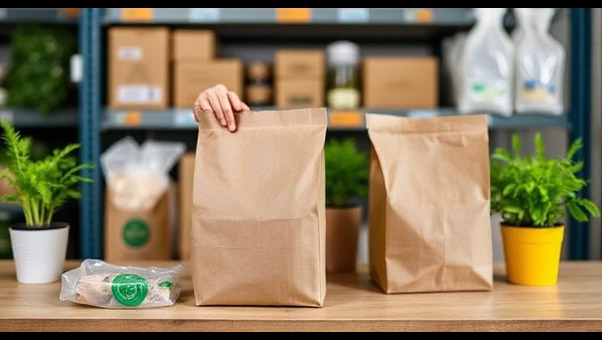
Circular Economy Principles: Sustainable Packaging Solutions

Circular Economy Principles

Circular Economy Principles: Sustainable Packaging Solutions The circular economy is a transformative production and consumption approach focusing on minimizing waste and maximizing resource efficiency. In the packaging industry, implementing circular economy principles is crucial to reducing environmental impact and enhancing sustainability. Key strategies include packaging waste reduction, closed-loop systems, refillable and reusable packaging, and designing packaging for recyclability. Packaging Waste Reduction Strategies Packaging waste is a significant environmental challenge, contributing to pollution and resource depletion. Companies can adopt various strategies to reduce waste, including: Lightweight Packaging: Reducing the material used in packaging without compromising strength or functionality lowers material consumption and decreases transportation emissions. Minimalist Design: Eliminating unnecessary packaging components and excessive branding materials can significantly cut waste. Alternative Materials: Using biodegradable, compostable, or bio-based materials instead of conventional plastics helps minimize environmental impact. Extended Producer Responsibility (EPR): Brands adopting EPR policies take accountability for their packaging waste, encouraging efficient recycling and disposal programs. Consumer Awareness Campaigns: Educating consumers about responsible packaging disposal and encouraging sustainable choices to reduce waste generation at the source. Closed-Loop Packaging Systems A closed-loop packaging system ensures that materials remain in circulation rather than becoming waste. This approach focuses on designing packaging that can be recovered, reused, or recycled into the system. Key aspects include: Reverse Logistics: Implementing efficient return and collection systems for used packaging materials, ensuring they are properly processed for reuse or recycling. Use of Recycled Content: Incorporating post-consumer recycled materials in packaging production minimizes reliance on virgin materials. Take-Back Programs: Brands offering take-back initiatives encourage consumers to return used packaging for proper recycling or reuse. Industrial Composting: For compostable packaging, establishing industrial composting facilities ensures proper breakdown without environmental harm. Refillable and Reusable Packaging Solutions Refillable and reusable packaging models significantly reduce waste by extending the life cycle of packaging materials. Some effective strategies include: Refill Stations: Retailers and brands introduce refill stations where customers can replenish products such as detergents, personal care items, and beverages, reducing single-use packaging waste. Deposit Return Schemes: Consumers return packaging (e.g., glass bottles, metal containers) for a refund, incentivizing reuse. Durable Packaging Materials: Using materials like glass, metal, and rigid plastics that can withstand multiple reuse cycles enhances sustainability. Brand-Managed Reuse Programs: Companies like Loop and Algramo provide refillable product delivery services, ensuring packaging returns to the supply chain instead of becoming waste. Packaging Design for Recyclability Designing packaging for recyclability ensures that materials can be efficiently processed and reintroduced into the production cycle. Best practices include: Mono material Packaging: Using a single material instead of multi-layered composites simplifies recycling and increases recovery rates. Easily Separable Components: Designing packaging with detachable components (e.g., lids, labels) allows for proper sorting and recycling. Recyclable Inks and Adhesives: Traditional printing inks and adhesives can hinder recycling; using eco-friendly alternatives improves material recovery. Clear Labeling: Providing clear recycling instructions on packaging helps consumers properly dispose of materials, preventing contamination in recycling streams. Standardized Packaging Materials: Aligning with widely accepted recyclable materials, such as PET, HDPE, and aluminum, ensures higher recycling success rates. Conclusion The circular economy presents a viable solution to the growing packaging waste crisis. By embracing waste reduction strategies, closed-loop systems, reusable models, and recyclable designs, businesses can contribute to a more sustainable future. Consumers, businesses, and policymakers must collaborate to drive innovation, encourage responsible consumption, and establish an infrastructure that supports circular packaging solutions. Shifting towards a circular economy is an environmental necessity and an opportunity for businesses to enhance brand reputation and meet evolving consumer expectations for sustainability. References: https://supplychain.edf.org/resources/sustainability-101-packaging-waste-solutions/ https://ic-ce.com/sustainable-packaging-solutions-in-india-navigating-the-transition-to-a-circular-economy/

Circular Economy Principles Read More »

The Psychology of Unboxing: How Packaging Influences Customer Perception

The Psychology of Unboxing

The Psychology of Unboxing: How Packaging Influences Customer Perception Unboxing has evolved from opening a package to an experience that customers eagerly anticipate and share on social media. The psychology behind unboxing is a crucial aspect of branding and customer retention. Well-designed packaging can create a strong emotional connection, reinforcing brand identity and enhancing perceived product value. This blog will explore how packaging influences customer perception and why brands must invest in an exceptional unboxing experience. The Power of First Impressions First impressions matter, and in e-commerce, packaging is the first physical interaction a customer has with a brand. Unlike brick-and-mortar stores, where consumers can see and feel products before purchase, online shopping relies on how the product is presented upon arrival. A poorly designed or damaged package can lead to disappointment, while premium packaging creates excitement and anticipation. Elements that contribute to a strong first impression include: Material quality: Sturdy and well-crafted packaging reflects a brand’s attention to detail. Design and aesthetics: Unique, visually appealing designs make unboxing a memorable experience. Branding elements: Logos, colors, and typography should align with the brand’s identity. Emotional Connection and Customer Loyalty Unboxing triggers emotions that influence a customer’s perception of a brand. Studies suggest that people remember experiences associated with positive emotions more vividly. Thoughtfully designed packaging that includes personalized messages, sustainable materials, or premium finishes can create a sense of exclusivity and appreciation. Emotional Triggers in Packaging Surprise and Delight – Unexpected elements like a thank-you note or free sample can enhance customer satisfaction. Luxury and Exclusivity – High-quality packaging materials like rigid boxes or embossing create a premium feel. Nostalgia and Familiarity – Packaging that reflects heritage or cultural elements fosters a deeper connection. The Role of Social Media in Unboxing Unboxing videos have become a trend, with influencers and customers sharing their experiences on platforms like YouTube, Instagram, and TikTok. A well-packaged product increases the likelihood of social sharing, which serves as free marketing and brand advocacy. How to Make Packaging Social Media Worthy Aesthetic appeal: Use elegant, minimalist, or bold designs that stand out. Unique opening experience: Magnetic closures, slide-out trays, or hidden compartments add excitement. Personal touches: Handwritten notes, custom stickers, or QR codes for discounts make the experience special. Perceived Value and Product Quality Customers often associate high-quality packaging with high-quality products. Even if two products have the same functionality, the one with premium packaging is perceived as superior. This psychological effect, known as the halo effect, enhances brand credibility and justifies higher pricing. Elements That Enhance Perceived Value Textured finishes: Matte, glossy, or soft-touch coatings create a luxurious feel. Foil stamping and embossing: These elements add sophistication and elegance. Sustainable packaging: Eco-friendly materials show a brand’s commitment to sustainability, attracting conscious consumers. Sustainable Packaging and Brand Perception Sustainability is a growing concern, and customers are more likely to support brands that use eco-friendly packaging. Recyclable, compostable, or reusable packaging reduces environmental impact and enhances brand reputation. Ways to Incorporate Sustainability in Unboxing Use biodegradable materials: Kraft paper, mushroom-based packaging, or recycled cardboard. Reduce excess packaging: Optimize box sizes to minimize waste. Encourage reuse: Provide multi-use packaging designs that customers can repurpose. Conclusion The psychology of unboxing plays a crucial role in shaping customer perception. A well-thought-out packaging strategy enhances first impressions and builds emotional connections, increases perceived value, and boosts brand loyalty. In the digital era, where unboxing experiences are shared widely, investing in creative and high-quality packaging is no longer optional—it’s a necessity for brand success. References: https://truxcargo.com/blogPost/156/The_Psychology_of_Packaging:_Impact_on_Customer_Satisfaction https://www.merchantboxes.com/blog/the-psychology-of-unboxing

The Psychology of Unboxing Read More »

Understanding Machinery Relocation in Public Sector Undertakings (PSUs)

Machinery Relocation in the Packaging Industry

Understanding Machinery Relocation in Public Sector Undertakings (PSUs) Machinery relocation is critical to industrial operations, ensuring seamless production transitions, optimized plant layouts, and compliance with new regulations. In the packaging industry, where high-speed and precision machinery is essential, relocating equipment within or across facilities requires specialized expertise. For Public Sector Undertakings (PSUs), machinery relocation is often a complex task due to stringent compliance requirements, high-capacity equipment, and minimal downtime constraints. These government-backed organizations operate under strict quality control and safety standards, making precision and efficiency paramount. The relocation process in PSUs involves meticulous planning, risk assessment, and execution to avoid disruptions in operations while maintaining regulatory compliance. The bottlenecks in Machinery Relocation for PSUs Regulatory Compliance – Government regulations require adherence to environmental and safety laws, making the relocation process highly structured. Large-Scale Equipment Handling – PSUs operate large, intricate machinery that requires specialized tools, skilled labor, and safety protocols during relocation. Minimal Downtime – Given their critical role in national industries, PSUs cannot afford extended downtimes, necessitating efficient, well-planned moves. Budgetary Constraints – As government-funded entities, PSUs must optimize costs while ensuring quality service in relocation and reinstallation. Safety Standards – Machinery relocation must comply with industrial safety norms, avoiding risks to personnel and assets. How Machinery Relocation Works at Ingsol INGSOL is a trusted name in industrial machinery relocation, offering specialized services tailored to the needs of PSUs in the packaging industry. With an in-depth understanding of regulatory compliance, operational efficiency, and large-scale machinery handling, INGSOL provides seamless relocation solutions with minimal disruptions. End-to-End Machinery Servicing INGSOL ensures complete machinery maintenance, servicing, and performance optimization before, during, and after relocation. This approach helps PSUs achieve uninterrupted operations by preventing unexpected breakdowns and inefficiencies. Customizable solutions allow INGSOL to cater to specific machine types, improving overall machine life and operational performance. Services Include: Pre-relocation inspection and assessment. Custom relocation strategy based on machinery type and site requirements. Servicing and recalibration of machines post-relocation. Integration with existing automation systems to ensure seamless operations. Annual Maintenance Contracts (AMC) To sustain operational efficiency post-relocation, INGSOL offers customized AMC plans that minimize downtime and extend the lifespan of relocated machinery. Features of INGSOL’s AMC Plans: Regular inspection and preventive maintenance. Scheduled servicing and performance optimization. On-demand expert consultation to improve machinery efficiency. Detailed reporting and analytics to monitor machine health over time. These AMCs are designed specifically for PSUs to ensure compliance with government-mandated maintenance policies while maximizing operational reliability. Equipment and Spare Parts Supply INGSOL understands that machinery relocation often requires supplementary equipment and spare parts to ensure a seamless transition. To address this, INGSOL provides top-quality spare parts for relocated machinery, ensuring smooth reintegration into production lines. The Offerings: Supply of critical spare parts for high-capacity machinery. Expert consultation to assess equipment requirements post-relocation. On-site installation of components by skilled engineers. Availability of hard-to-source components, reducing procurement delays. By ensuring the availability of essential parts, INGSOL helps PSUs avoid unplanned downtimes and maintain uninterrupted production. Why Choose INGSOL for Machinery Relocation? PSUs in the packaging industry require reliable, cost-effective, and highly efficient machinery relocation solutions. INGSOL stands out due to its deep industry expertise, commitment to quality, and ability to handle large-scale relocations with precision. Crucial Benefits of Partnering with INGSOL: Expertise in PSU Operations: INGSOL’s team understands government regulations and ensures compliance with safety and environmental norms. Minimal Downtime: Strategic relocation plans and quick execution ensure continued production with minimal interruptions. Customized Solutions: Tailored services cater to the specific needs of PSUs, optimizing performance and cost-efficiency. Comprehensive Post-Relocation Support: AMCs and spare parts supply ensure long-term operational stability. Conclusion Machinery relocation in the packaging industry, especially for PSUs, requires a meticulous and compliance-driven approach. INGSOL provides unparalleled expertise, ensuring smooth transitions with minimal operational impact. With its end-to-end servicing, customized maintenance plans, and reliable spare parts supply, INGSOL is the ideal partner for PSUs seeking seamless machinery relocation. By choosing INGSOL, PSUs can ensure efficiency, compliance, and operational continuity, making it the go-to solution for industrial machinery relocation in the packaging sector. References: https://superiorrigging.com/what-is-machinery-moving/ https://megaltd.net/tips-to-prepare-for-efficient-machinery-relocation/

Machinery Relocation in the Packaging Industry Read More »

Sustainable Materials for a Greener Tomorrow

Sustainable Packaging Materials

Sustainable Materials for a Greener Tomorrow The demand for sustainable packaging materials is skyrocketing as the world shifts towards eco-friendly solutions. Brands and consumers seek alternatives that minimize environmental impact while maintaining functionality. From biodegradable and compostable packaging to recycled and recyclable materials, innovative solutions are transforming the packaging industry. This blog explores some of the most sustainable packaging materials and their applications, particularly in sustainable packaging for food. Biodegradable Packaging: Plant-Based Plastics and Mushroom Packaging Biodegradable packaging refers to materials that break down naturally into organic components without harming the environment. Some of the most promising options include plant-based plastics and mushroom packaging. Plant-Based Plastics Derived from renewable resources like cornstarch, sugarcane, and cassava, plant-based plastics offer a sustainable alternative to conventional petroleum-based plastics. These materials decompose faster and leave a smaller carbon footprint. Applications: Food containers, cutlery, and beverage bottles Example: Coca-Cola’s PlantBottle, made from up to 30% plant-based material Mushroom Packaging Mushroom packaging is an innovative, fully biodegradable alternative to plastic foam packaging made from agricultural waste and mycelium (the root structure of fungi). Applications: Protective packaging for electronics, glassware, and furniture Example: Dell and IKEA use mushroom-based packaging to reduce plastic waste Compostable Packaging: A Zero-Waste Solution Compostable packaging goes a step beyond biodegradability by breaking down into nutrient-rich compost when disposed of in industrial or home composting facilities. These materials decompose within weeks, leaving no toxic residue. Key Compostable Packaging Materials: PLA (Polylactic Acid): A plant-derived bioplastic used for food containers and cups Bagasse: A byproduct of sugarcane processing, used for plates, bowls, and food trays Seaweed-Based Packaging: A growing innovation that provides an edible and compostable alternative to plastic films Applications: Takeout containers, coffee cups, and single-use food packaging Example: Lush Cosmetics uses compostable cellulose packaging for some of its products Recycled and Recyclable Materials: Paper, Glass, and Aluminum Recycling plays a crucial role in sustainable packaging by reducing waste and conserving resources. Recycled and recyclable materials like paper, glass, and aluminum are among the most sustainable packaging materials due to their long lifecycle and minimal environmental impact. Paper-Based Packaging Paper is one of the most commonly used sustainable food packaging materials. It is renewable, biodegradable, and widely recyclable. Applications: Food cartons, paper straws, and corrugated boxes Example: McDonald’s has committed to using 100% recycled or sustainable fiber-based packaging by 2025 Glass Packaging Glass is infinitely recyclable, making it an excellent option for sustainable packaging. Unlike plastic, it does not degrade in quality when recycled. Applications: Beverage bottles, food jars, and cosmetic containers Example: Many beer and soda companies use returnable glass bottles to reduce waste Aluminum Packaging Aluminum is another new sustainable packaging material due to its lightweight nature and recyclability. It can be reused indefinitely without losing its properties. Applications: Beverage cans, food trays, and foil wraps Example: Coca-Cola and PepsiCo use aluminum cans as a more sustainable alternative to plastic bottles Ocean-Bound Plastic Solutions: Tackling Marine Pollution Ocean-bound plastics are plastics collected from coastal areas before they enter the ocean. These materials are repurposed into sustainable packaging materials, reducing marine pollution while promoting circular economy practices. Brands Using Ocean-Bound Plastic Solutions: Adidas: Creates shoes and apparel from recycled ocean plastics Method: Uses bottles made from ocean-recovered plastics for their cleaning products Nestlé: Incorporates ocean-bound plastic into its food packaging initiatives By preventing plastics from reaching the ocean, these solutions help protect marine life and create valuable resources from waste. Conclusion The shift towards sustainable packaging materials is essential for reducing environmental impact and promoting a circular economy. Whether through biodegradable plant-based plastics, compostable alternatives, or recycled and recyclable materials, brands have numerous options to enhance their packaging sustainability. With continuous innovation in new sustainable packaging materials, the future of eco-friendly packaging looks promising. As consumers and businesses prioritize sustainable packaging for food and other industries, the packaging landscape will continue evolving toward greener solutions. References: https://www.novacustomboxes.com/sustainable-packaging-solutions/ https://pmc.ncbi.nlm.nih.gov/articles/PMC6801293/ https://www.arka.com/pages/compostable-packaging-materials?srsltid=AfmBOop2M7ci0vQK6R7u6Fn9u6sZhGeRqKZB-nCoefkUwpLDu_g42So1

Sustainable Packaging Materials Read More »

Internet of Things (IoT) in Packaging

Internet of Things in Packaging

Internet of Things (IoT) in Packaging: The Future of Smart and Connected Solutions The rapid advancement of the Internet of Things (IoT) in packaging is transforming how businesses interact with their consumers and manage their supply chains. IoT-enabled smart packaging offers innovative solutions that enhance product tracking, improve consumer engagement, and ensure supply chain transparency. From sensors and trackers to blockchain-powered traceability, IoT in packaging is driving efficiency and elevating the consumer experience. Smart Packaging with Sensors and Trackers Smart packaging integrates sensors and IoT-enabled tracking devices to provide real-time monitoring of products, ensuring quality control, authenticity, and security. These technologies play a crucial role in the food and beverage, pharmaceuticals, and logistics industries by preventing product spoilage, counterfeit goods, and theft. Key Applications of Sensors and Trackers in Smart Packaging: Temperature and Humidity Monitoring Ideal for perishable goods such as food and medicine, smart sensors help monitor storage conditions and notify stakeholders of any deviations. Example: IoT sensors in vaccine packaging ensure they are stored at optimal temperatures during transit. RFID and NFC Technology for Tracking Radio Frequency Identification (RFID) and Near Field Communication (NFC) tags enable seamless tracking and authentication of products. Example: Luxury brands use RFID tags to prevent counterfeiting and provide a seamless digital experience. Tamper Detection and Anti-Theft Solutions Smart packaging can detect unauthorized access and tampering, providing real-time alerts to manufacturers and consumers. Example: Pharmaceuticals use tamper-proof smart labels to ensure product integrity. Connected Packaging for Enhanced Consumer Experience With the rise of IoT, packaging is evolving from being purely functional to becoming an interactive platform for consumer engagement. Connected packaging leverages QR codes, NFC tags, and augmented reality (AR) to offer personalized experiences and valuable information. About Connected Packaging: Real-Time Product Information Consumers can scan a QR code or tap an NFC-enabled package to access detailed product information, such as origin, ingredients, and sustainability practices. Example: Beverage brands use QR codes to share sourcing stories and nutritional facts. Enhanced Brand Engagement Brands can offer exclusive content, rewards, and interactive experiences through smart packaging. Example: AR-powered wine labels let consumers view virtual content about the vineyard and tasting notes. Personalized Consumer Experience IoT-enabled packaging can adapt to consumer preferences, offering tailored recommendations and promotions. Example: Smart coffee packaging suggests brewing techniques based on user preferences. Blockchain Technology for Supply Chain Traceability Blockchain, in combination with IoT, is revolutionizing supply chain transparency by providing a decentralized and tamper-proof ledger for tracking goods. This ensures authenticity, reduces fraud, and builds consumer trust. How Blockchain Enhances IoT in Packaging: End-to-End Product Traceability Every stage of a product’s journey, from manufacturing to delivery, can be recorded on a blockchain, ensuring transparency and authenticity. Example: The food industry uses blockchain to trace products from farm to table, preventing food fraud. Ensuring Ethical and Sustainable Practices Consumers can verify a product’s sustainability claims by scanning an IoT-enabled package linked to a blockchain ledger. Example: Fashion brands track raw material sourcing to ensure ethical practices. Improved Inventory and Logistics Management IoT sensors paired with blockchain enable automated tracking, reducing human errors and improving efficiency. Example: Logistics companies use blockchain-integrated IoT to prevent shipment discrepancies. Conclusion The integration of IoT in packaging is reshaping the industry by offering smart, connected, and transparent solutions. From real-time tracking with sensors and RFID tags to interactive consumer experiences through connected packaging, and blockchain-enabled traceability, these innovations are setting new standards for safety, efficiency, and engagement. As brands continue to adopt IoT-driven packaging, the future holds even more opportunities for personalization, automation, and enhanced consumer trust. References:https://www.packaging-labelling.com/articles/the-future-of-smart-packaging-bridging-the-gap-with-iot-integration-and-enhanced-consumer-engagement#:~:text=2.,transmit%20information%20in%20real%20time. https://www.packaging-gateway.com/features/smart-packaging-iot-revolution/ https://www.packaging-labelling.com/articles/integrating-iot-in-packaging

Internet of Things in Packaging Read More »

Brand Storytelling & Packaging

Brand Storytelling & Packaging

Brand Storytelling & Packaging: Crafting a Lasting Impression In today’s competitive marketplace, where consumers are bombarded with countless choices, brand storytelling through packaging has become a powerful tool. Packaging is no longer just a protective cover; it is a medium for communicating brand values, enhancing customer experience, and fostering brand loyalty. When done right, storytelling packaging design creates an emotional connection between the brand and its audience, making it a critical component of marketing strategy. Using Packaging to Communicate Brand Values Consumers seek more than just products; they look for authenticity, values, and a sense of belonging. Packaging serves as a direct extension of a brand’s ethos, effectively communicating its mission, values, and promise to customers. A well-thought-out brand story packaging design ensures that every element—from colors to typography—aligns with the company’s identity. For example, an eco-friendly brand emphasizing sustainability can use biodegradable materials, minimalist designs, and earthy tones to reinforce its environmental commitment. Luxury brands, on the other hand, often opt for elegant, high-quality materials with sleek typography to communicate exclusivity and sophistication. When a brand successfully aligns its storytelling packaging design with its values, it fosters a deeper connection with its customers. Elements of Storytelling in Packaging Color Psychology: Colors evoke emotions and influence perceptions. Bright and bold hues convey energy, while muted tones suggest elegance and sustainability. Typography and Fonts: Fonts play a key role in expressing personality—serif fonts exude tradition, while sans-serif suggests modernity. Imagery and Graphics: Custom illustrations, logos, and patterns contribute to brand recall and enhance storytelling elements. Material Choice: Recycled paper, glass, or premium finishes send subtle messages about the brand’s values. Why Packaging is a Storytelling Medium A well-designed package can instantly communicate a brand’s personality, ethos, and promise. Here’s why packaging is an essential storytelling tool: First Impression Matters: Packaging is often the first touchpoint a consumer has with a product. A well-crafted design can create intrigue, engagement, and trust. Conveys Brand Values: Through materials, colors, and typography, brands can express sustainability, luxury, playfulness, or reliability. Creates Emotional Connections: Packaging design can evoke nostalgia, excitement, or exclusivity, strengthening consumer relationships. Enhances Brand Recognition: Consistent packaging elements help in building a distinct identity, making the product easily recognizable on the shelf. Encourages Brand Loyalty: A compelling packaging story can lead to stronger customer attachment and repeat purchases. Creating Unique and Memorable Packaging Designs A standout storytelling packaging design captivates customers and leaves a lasting impression. In a crowded retail space or an online marketplace, distinctive packaging can set a brand apart and reinforce its identity. Tips for Designing Memorable Packaging Consistency is Key: Ensure that the packaging aligns with the overall brand aesthetics, including logos, colors, and messaging. Unboxing Experience Matters: The rise of e-commerce has elevated the importance of unboxing. Unique inner packaging, personalized notes, and creative inserts enhance customer delight. Interactive Elements: QR codes, augmented reality features, and scannable packaging can engage customers further, offering a digital storytelling experience. Minimalism vs. Boldness: While minimalistic designs exude simplicity and sophistication, bold and creative packaging can attract attention and spark curiosity. An example of a brand leveraging storytelling packaging effectively is Apple. The clean, sleek, and minimalistic design of Apple’s packaging mirrors its commitment to innovation, quality, and user experience. Each aspect, from the compact box to the smooth unboxing experience, enhances the brand’s premium image. Leveraging Packaging for Brand Differentiation In an era where product competition is fierce, leveraging brand story packaging for differentiation is crucial. Brands that use packaging to create a distinct identity gain an edge by resonating with customers on a deeper level. Ways to Differentiate Using Packaging Sustainability & Eco-friendliness: As environmental concerns rise, brands incorporating sustainable materials and eco-conscious messaging in their packaging stand out. Limited Edition & Seasonal Packaging: Limited-time designs tied to festivals, anniversaries, or special collaborations create urgency and exclusivity. Personalization & Customization: Allowing customers to personalize packaging (e.g., Coca-Cola’s “Share a Coke” campaign) enhances engagement and strengthens brand affinity. Multi-Functional & Reusable Packaging: Innovative packaging that serves a secondary purpose (such as reusable tote bags or storage boxes) enhances perceived value. A great case study is Innocent Drinks, which uses playful, handwritten fonts and quirky product descriptions on its packaging to reflect its fun, honest, and approachable brand personality. This attention to brand storytelling through packaging makes Innocent instantly recognizable and relatable. Conclusion In an increasingly digital and visually driven world, brand storytelling through packaging is more critical than ever. Brands strategically using storytelling packaging design to communicate values, create memorable experiences, and differentiate themselves will continue to thrive. Whether through sustainability, innovation, or personal touch, compelling packaging is pivotal in forming lasting consumer relationships. By focusing on thoughtful design and meaningful narratives, brands can turn their packaging into a powerful storytelling tool that resonates beyond the shelf. References: https://looka.com/blog/branded-packaging/ https://www.crowdspring.com/blog/packaging-design-brand-story/ https://packaging.shiprocket.in/blogs/ecommerce-packaging/customised-packaging-for-branding?srsltid=AfmBOorNRbneA2mmj697pvCVFx6NrD51jkb2IL7AdvZ9qr8wIrqTQA9Q

Brand Storytelling & Packaging Read More »

The Role of BOPP Films in Labeling and Printing Solutions

The Role of BOPP Films in Labeling and Printing Solutions

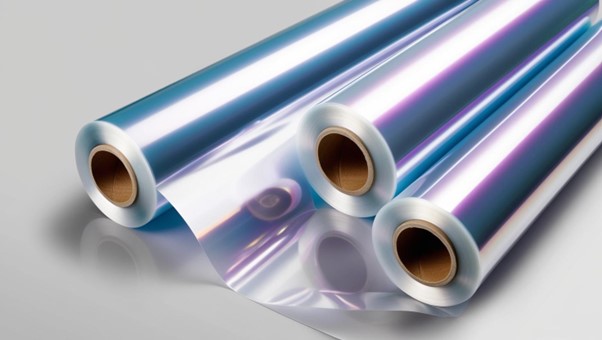
The Role of BOPP Films in Labeling and Printing Solutions Businesses seek labeling and printing solutions that are visually striking but also durable, cost-effective, and environmentally friendly. This is where Biaxially Oriented Polypropylene (BOPP) films step in as game-changers, offering unmatched versatility and performance in labeling and printing applications. Let’s dive into BOPP films’ critical role in revolutionizing the labeling and printing industry. What Are BOPP Films? BOPP films are made by stretching polypropylene film in both machine and transverse directions, giving them enhanced mechanical and optical properties. These biaxial orientation techniques impart qualities like high tensile strength, excellent clarity, and resistance to moisture, oils, and chemicals. As a result, BOPP films have become the preferred choice for a wide range of labeling and printing applications. Key Advantages of BOPP Films in Labeling Exceptional Printability:  BOPP films provide a smooth and uniform surface, making them ideal for high-quality printing. They support a wide range of printing technologies, including flexographic, gravure, and digital printing, allowing brands to create sharp, vibrant, and detailed designs that enhance shelf appeal. Durability and Resistance:  One of the standout features of BOPP films is their resistance to moisture, oils, and chemicals. This makes them particularly suitable for products exposed to harsh environments, such as food and beverage items, cosmetics, and industrial goods. Labels made from BOPP films maintain their integrity and appearance even under challenging conditions. Customizable and Versatile:  BOPP films are available in various finishes, including matte, glossy, and transparent. This versatility allows brands to create customized labels that align with their product’s aesthetics and branding strategy. For example, transparent BOPP films can be used for “no-label look” designs, creating a premium and seamless appearance. Lightweight and Cost-Effective:  Compared to other labeling materials, BOPP films are lightweight, which reduces transportation costs and overall environmental impact. Additionally, their durability ensures a longer shelf life, minimizing the need for frequent replacements and reducing costs for manufacturers. Eco-Friendly Options:  As sustainability becomes a key focus across industries, many BOPP film manufacturers now offer recyclable options. These films align with circular economy goals, enabling brands to meet consumer demands for environmentally responsible packaging. Applications of BOPP Films in Labeling Pressure-Sensitive Labels (PSL):  BOPP films are widely used for pressure-sensitive labels, which are self-adhesive and easy to apply. They are ideal for labeling applications in industries like food and beverages, personal care, and household products. Their ability to resist water and oil ensures labels remain intact and legible throughout the product’s life cycle. Wrap-Around Labels:  For beverages like bottled water, soft drinks, and juices, BOPP films are often used for wrap-around labels. These films offer excellent adhesion and clarity, creating visually appealing and durable labels that withstand moisture and temperature variations. In-mold labels (IML):  BOPP films are also utilized in in-mold labeling, where the label becomes an integral part of the container during the manufacturing process. This technique is popular in the food and dairy industries, as it enhances durability and provides a premium look. Shrink Sleeves and Tamper-Evident Labels:  With their excellent shrinkage properties and high clarity, BOPP films are used for shrink sleeves and tamper-evident labels. These applications are critical for ensuring product safety and enhancing brand appeal. BOPP Films in Printing Solutions Flexographic and Gravure Printing:  BOPP films’ excellent surface characteristics make them compatible with flexographic and gravure printing. These printing methods deliver high-quality images and text, ensuring brands can showcase intricate designs and vibrant colors on their labels. Digital Printing:  As digital printing gains traction for its speed and flexibility, BOPP films have proven to be a reliable substrate. They enable brands to produce short runs of customized labels efficiently, catering to market demands for personalization. Lamination:  In addition to printing, BOPP films are used as a laminating layer to protect printed materials. The lamination process enhances the durability and visual appeal of labels, ensuring they remain scratch-resistant and maintain their vibrant colors over time. The Future of BOPP Films in Labeling and Printing The demand for BOPP films in labeling and printing solutions continues to grow, driven by trends such as e-commerce, premium packaging, and sustainability. As technology advances, we can expect further innovations in BOPP films, such as improved recyclability, enhanced barrier properties, and advanced printing compatibility. Moreover, as brands increasingly prioritize sustainable packaging, BOPP films’ lightweight nature and recyclable options make them a crucial player in achieving eco-friendly goals without compromising quality or performance. Conclusion BOPP films have transformed the labeling and printing industry by offering unmatched versatility, durability, and visual appeal. From pressure-sensitive labels to shrink sleeves and in-mold labels, their applications span diverse industries, catering to the evolving needs of brands and consumers alike. As the industry moves toward sustainability and innovation, BOPP films will undoubtedly remain at the forefront, setting new benchmarks for performance and design in labeling and printing solutions. References:https://www.singhalglobal.com/blog/the-role-of-printed-bopp-films-in-enhancing-consumer-experience?srsltid=AfmBOoo25vfR-dA4IY6_NyUeoRvCfIenK9qFAKPz1RoxO76kTdI8Iu4k https://www.cosmofilms.com/blog/future-of-bopp-laminating-solutions-in-india https://www.cosmofilms.com/blog/future-of-bopp-laminating-solutions-in-india

The Role of BOPP Films in Labeling and Printing Solutions Read More »

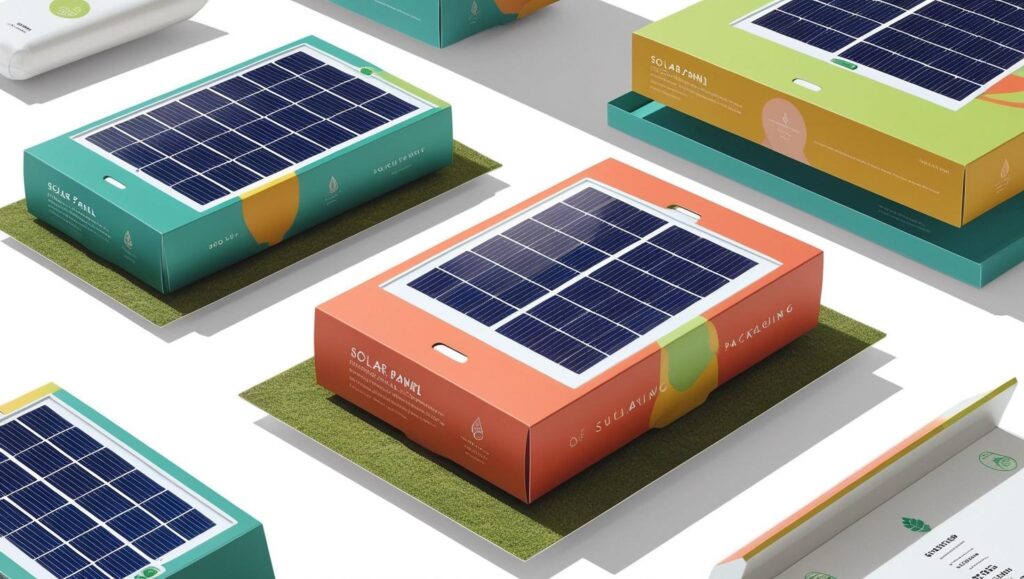
From Sunlight to Sustainable Packaging: The Science Behind Solar Integration

The Science Behind Solar Integration

Digital Twin Technology in Packaging: A Paradigm Shift The packaging industry is at the forefront of a digital revolution, and at its heart lies Digital Twin Technology. Far from being a buzzword, this innovative approach offers real, tangible benefits—blending physical systems with digital counterparts to enhance efficiency, reduce costs, and drive sustainability. Let’s explore how this cutting-edge technology is transforming the packaging sector, supported by real-world applications and industry insights. What is Digital Twin Technology? Digital twin technology creates a virtual replica of a physical object or system. This dynamic digital model is continuously updated with real-time data, offering a precise reflection of its physical counterpart. Unlike static simulations, digital twins evolve as the real-world system operates, enabling proactive decision-making, predictive insights, and unprecedented operational control. For the packaging industry, digital twins can represent anything from individual machines to entire production lines. They empower businesses to simulate scenarios, predict outcomes, and optimize processes without interrupting production—a game-changer for a sector that thrives on precision and efficiency. How Digital Twins are Transforming Packaging 1. Streamlined Packaging Design Developing innovative packaging designs often involves trial and error, which can be resource-intensive. Digital twins enable designers to create and test prototypes in a virtual environment. They can evaluate factors like material strength, shape efficiency, and aesthetic appeal without creating a single physical model. For instance, companies like Amcor are already using digital twins to accelerate sustainable packaging development, reducing time-to-market while cutting costs. 2. Maximizing Equipment Uptime Packaging machinery downtime can lead to significant losses. Digital twins monitor equipment performance in real-time, identifying wear and tear before failures occur. Using predictive maintenance powered by digital twins, manufacturers can schedule repairs proactively, minimizing unplanned downtime and extending machine lifespans. Tetra Pak, for example, employs digital twins to optimize its production lines, ensuring uninterrupted operations. 3. Optimizing Production Processes Digital twins enable manufacturers to simulate production lines, helping identify inefficiencies and bottlenecks. By testing various configurations and workflows in a virtual environment, companies can enhance throughput and reduce waste. Procter & Gamble has implemented digital twins to optimize its packaging processes, achieving significant cost savings and increased efficiency. 4. Revolutionizing Quality Assurance Maintaining high quality is critical in packaging, especially in industries like food, pharmaceuticals, and cosmetics. Digital twins track production in real-time, identifying defects and ensuring compliance with stringent standards. Nestlé, for instance, uses digital twins to monitor packaging processes, ensuring consistency and reducing the likelihood of recalls. 5. Advancing Sustainability Goals Sustainability is a pressing concern for the packaging industry. Digital twins allow manufacturers to simulate the environmental impact of packaging materials and processes. By testing alternatives virtually, businesses can identify sustainable solutions without incurring additional costs. For instance, Unilever leverages digital twins to evaluate recyclable materials, aligning with its goal to reduce plastic waste. 6. Transforming Supply Chain Management Digital twins extend beyond manufacturing to the entire supply chain. Companies can create digital replicas of their logistics networks, enabling better tracking of shipments, inventory management, and route optimization. This holistic visibility ensures timely deliveries while reducing costs and carbon footprints. Case Studies in Digital Twin Implementation Tetra Pak: The company uses digital twins to monitor and optimize its packaging machinery, achieving reduced downtime and higher operational efficiency. Unilever: By simulating packaging materials and designs, Unilever has developed sustainable solutions that minimize environmental impact. Amcor: Amcor employs digital twins to accelerate packaging innovation, particularly in developing recyclable and biodegradable materials. Fundamentals of Digital Twins in Packaging Digital twin technology is built on the seamless integration of the physical and digital worlds. In the packaging industry, this connection enables innovation, efficiency, and precision. This chapter explores the core components and mechanisms of digital twins as they apply to packaging. Components of a Digital Twin Physical Entity: The tangible packaging machinery, production line, or product being modeled. Virtual Model: A detailed digital replica of the physical entity, created using advanced simulation tools. Data Flow: Real-time data exchange between the physical entity and its digital counterpart through sensors and IoT devices. Working Mechanism in Packaging Real-Time Monitoring: Sensors embedded in packaging machines and lines collect data on performance, efficiency, and wear. This information is mirrored in the digital twin for continuous analysis. Simulation and Analysis: The virtual model allows for testing and optimization of packaging designs, materials, and production processes without disrupting physical operations. Feedback Loop: Insights from the digital twin’s analysis inform adjustments to the physical system, creating a continuous cycle of improvement.Despite these hurdles, the rapid advancements in IoT, AI, and cloud computing are making digital twins more accessible to companies of all sizes. The Future of Digital Twins in Packaging Digital twin technology is more than a trend; it’s a transformative tool reshaping the packaging industry. By bridging the gap between the physical and digital worlds, digital twins empower manufacturers to innovate faster, operate smarter, and achieve sustainability goals. As more companies embrace this technology, the future of packaging will undoubtedly be more efficient, sustainable, and consumer-focused. References: https://packagingeurope.com/accelerate-the-deployment-of-innovation-with-digital-twins/9791.article https://iopscience.iop.org/article/10.1088/1742-6596/2044/1/012146/pdf https://aws.amazon.com/what-is/digital-twin/

The Science Behind Solar Integration Read More »

The Need for Sustainable Packaging

The Need for Sustainable Packaging

The Need for Sustainable Packaging Sustainable packaging has become a critical focus today as environmental concerns rise and consumers demand eco-friendly solutions. With industries relying heavily on traditional packaging methods, the environmental burden—ranging from excessive plastic waste to greenhouse gas emissions—has reached alarming levels. Sustainable packaging minimizes environmental impact while meeting the functional requirements of protecting, preserving, and transporting goods. What is Retrofitting? Retrofitting in sustainable packaging involves modifying existing machinery, processes, or systems to adapt to sustainable materials or practices. This approach is often more cost-effective than replacing entire systems and helps companies transition toward sustainability without a complete overhaul of their production lines. Retrofitting can encompass changes to accommodate biodegradable materials, improve energy efficiency, or reduce waste in production. Key Benefits of Robotics in Packaging The global push for sustainability has led to stricter regulations, increased consumer awareness, and pressure from stakeholders to adopt eco-friendly practices. For companies already invested in traditional packaging methods, retrofitting offers a pragmatic approach to meet these demands. It allows businesses to: Reduce Carbon Footprint: By using sustainable materials and energy-efficient systems. Adapt to Market Trends: Consumers are increasingly favoring brands that prioritize environmental responsibility. Comply with Regulations: Governments worldwide are implementing stricter sustainability laws, making retrofitting a necessity. Optimize Costs: Retrofitting is often more economical than replacing machinery entirely, particularly for small to medium enterprises. Retrofitting for Sustainable Packaging: A Step Towards a Greener Future   As the demand for sustainable practices grows, industries are turning to innovative solutions to meet environmental standards and consumer expectations. Retrofitting, the process of upgrading existing systems or equipment, has emerged as a key strategy in making packaging operations more sustainable. This approach not only reduces environmental impact but also enhances operational efficiency and cost-effectiveness. Future Trends in Sustainable Packaging The future of sustainable packaging lies in continuous innovation and the adoption of advanced technologies. Trends such as smart packaging, biodegradable alternatives, and closed-loop recycling systems are expected to gain prominence. To stay competitive, businesses must remain adaptable and invest in research and development. Smart Packaging Solutions: Integrating IoT and RFID technology for better tracking and reduced waste. Advanced Bioplastics: Development of bioplastics with enhanced strength and durability to replace traditional plastics. Circular Economy Models: Emphasis on creating closed-loop systems where materials are continuously reused and recycled. Case Studies: Early Adopters   Coca-Cola’s PlantBottle: Coca-Cola modified its production lines to incorporate PlantBottle technology, a partially plant-based PET material, showing how retrofitting can align with sustainability goals. Nestlé’s Paper-Based Wrappers: Nestlé adapted its machinery to switch from plastic to paper-based wrappers for some product lines, reducing plastic waste significantly. Challenges and Solutions Initial Investment: Retrofitting requires upfront costs, which can be a barrier for some businesses. However, the long-term savings and benefits often outweigh the initial expense. Technical Limitations: Not all systems can be retrofitted. Conducting a thorough feasibility analysis is crucial before starting the process. Downtime During Upgrades: Proper planning and phased implementation can minimize disruptions to operations. The Future of Retrofitting in Packaging As sustainability becomes a non-negotiable aspect of business operations, retrofitting will play an integral role in the packaging industry’s evolution. Innovations such as modular retrofits, AI-driven optimization, and renewable energy integration are paving the way for smarter, greener packaging solutions. Companies that embrace retrofitting not only contribute to a healthier planet but also position themselves as leaders in sustainable practices. Conclusion Retrofitting for sustainable packaging is a practical, cost-effective, and impactful approach for companies aiming to reduce their environmental footprint. By upgrading existing systems to align with eco-friendly practices, businesses can achieve sustainability goals without the need for significant overhauls. In a world increasingly focused on environmental responsibility, retrofitting stands out as a vital step towards a greener future. References: https://www.bobst.com/been/news/detail/article/1709134201-exploring-the-advantages-of-retrofitting-and-upgrading-services-from-bobst/ https://www.linkedin.com/pulse/transforming-packaging-efficiency-retrofitting-solutions-l9k8f/ https://blog.sipa.it/when-the-retrofit-of-a-packaging-plant-is-necessary

The Need for Sustainable Packaging Read More »

Technology in Packaging

Digital Twin Technology in Packaging

Digital Twin Technology in Packaging: A Paradigm Shift The packaging industry is at the forefront of a digital revolution, and at its heart lies Digital Twin Technology. Far from being a buzzword, this innovative approach offers real, tangible benefits—blending physical systems with digital counterparts to enhance efficiency, reduce costs, and drive sustainability. Let’s explore how this cutting-edge technology is transforming the packaging sector, supported by real-world applications and industry insights. What is Digital Twin Technology? Digital twin technology creates a virtual replica of a physical object or system. This dynamic digital model is continuously updated with real-time data, offering a precise reflection of its physical counterpart. Unlike static simulations, digital twins evolve as the real-world system operates, enabling proactive decision-making, predictive insights, and unprecedented operational control. For the packaging industry, digital twins can represent anything from individual machines to entire production lines. They empower businesses to simulate scenarios, predict outcomes, and optimize processes without interrupting production—a game-changer for a sector that thrives on precision and efficiency. How Digital Twins are Transforming Packaging 1. Streamlined Packaging Design Developing innovative packaging designs often involves trial and error, which can be resource-intensive. Digital twins enable designers to create and test prototypes in a virtual environment. They can evaluate factors like material strength, shape efficiency, and aesthetic appeal without creating a single physical model. For instance, companies like Amcor are already using digital twins to accelerate sustainable packaging development, reducing time-to-market while cutting costs. 2. Maximizing Equipment Uptime Packaging machinery downtime can lead to significant losses. Digital twins monitor equipment performance in real-time, identifying wear and tear before failures occur. Using predictive maintenance powered by digital twins, manufacturers can schedule repairs proactively, minimizing unplanned downtime and extending machine lifespans. Tetra Pak, for example, employs digital twins to optimize its production lines, ensuring uninterrupted operations. 3. Optimizing Production Processes Digital twins enable manufacturers to simulate production lines, helping identify inefficiencies and bottlenecks. By testing various configurations and workflows in a virtual environment, companies can enhance throughput and reduce waste. Procter & Gamble has implemented digital twins to optimize its packaging processes, achieving significant cost savings and increased efficiency. 4. Revolutionizing Quality Assurance Maintaining high quality is critical in packaging, especially in industries like food, pharmaceuticals, and cosmetics. Digital twins track production in real-time, identifying defects and ensuring compliance with stringent standards. Nestlé, for instance, uses digital twins to monitor packaging processes, ensuring consistency and reducing the likelihood of recalls. 5. Advancing Sustainability Goals Sustainability is a pressing concern for the packaging industry. Digital twins allow manufacturers to simulate the environmental impact of packaging materials and processes. By testing alternatives virtually, businesses can identify sustainable solutions without incurring additional costs. For instance, Unilever leverages digital twins to evaluate recyclable materials, aligning with its goal to reduce plastic waste. 6. Transforming Supply Chain Management Digital twins extend beyond manufacturing to the entire supply chain. Companies can create digital replicas of their logistics networks, enabling better tracking of shipments, inventory management, and route optimization. This holistic visibility ensures timely deliveries while reducing costs and carbon footprints. Case Studies in Digital Twin Implementation   Tetra Pak: The company uses digital twins to monitor and optimize its packaging machinery, achieving reduced downtime and higher operational efficiency. Unilever: By simulating packaging materials and designs, Unilever has developed sustainable solutions that minimize environmental impact. Amcor: Amcor employs digital twins to accelerate packaging innovation, particularly in developing recyclable and biodegradable materials. Fundamentals of Digital Twins in Packaging Digital twin technology is built on the seamless integration of the physical and digital worlds. In the packaging industry, this connection enables innovation, efficiency, and precision. This chapter explores the core components and mechanisms of digital twins as they apply to packaging. Components of a Digital Twin Physical Entity: The tangible packaging machinery, production line, or product being modeled. Virtual Model: A detailed digital replica of the physical entity, created using advanced simulation tools. Data Flow: Real-time data exchange between the physical entity and its digital counterpart through sensors and IoT devices. Working Mechanism in Packaging Real-Time Monitoring: Sensors embedded in packaging machines and lines collect data on performance, efficiency, and wear. This information is mirrored in the digital twin for continuous analysis. Simulation and Analysis: The virtual model allows for testing and optimization of packaging designs, materials, and production processes without disrupting physical operations. Feedback Loop: Insights from the digital twin’s analysis inform adjustments to the physical system, creating a continuous cycle of improvement. Despite these hurdles, the rapid advancements in IoT, AI, and cloud computing are making digital twins more accessible to companies of all sizes. The Future of Digital Twins in Packaging Digital twin technology is more than a trend; it’s a transformative tool reshaping the packaging industry. By bridging the gap between the physical and digital worlds, digital twins empower manufacturers to innovate faster, operate smarter, and achieve sustainability goals. As more companies embrace this technology, the future of packaging will undoubtedly be more efficient, sustainable, and consumer-focused. References: https://packagingeurope.com/accelerate-the-deployment-of-innovation-with-digital-twins/9791.article https://iopscience.iop.org/article/10.1088/1742-6596/2044/1/012146/pdf https://aws.amazon.com/what-is/digital-twin/

Digital Twin Technology in Packaging Read More »

Impact of Robotics on Packaging Industry

Impact of Robotics on Packaging Operations

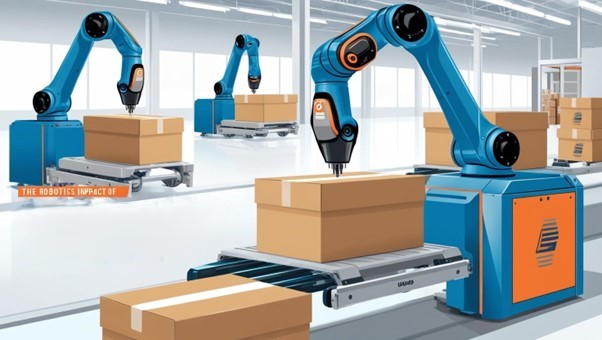
Impact of Robotics on Packaging Operations The packaging industry is evolving rapidly, driven by increasing efficiency, accuracy, and demand for sustainability. Among the transformative technologies reshaping this sector, robotics is a game-changer. Robots have revolutionized packaging operations, offering unparalleled precision and productivity while reducing costs and environmental impact. This blog explores the multifaceted impact of robotics on packaging operations, highlighting key trends, benefits, and challenges. The Rise of Robotics in Packaging Robotics in packaging has witnessed significant growth due to advancements in automation, artificial intelligence, and sensor technology. The global packaging automation market is projected to grow steadily, fueled by the need for faster production cycles, minimal human intervention, and adaptability to diverse packaging needs. Modern packaging robots have vision systems, machine learning algorithms, and real-time data processing capabilities. These features allow them to handle tasks ranging from material handling and assembly to labeling and palletizing with remarkable speed and accuracy. Key Benefits of Robotics in Packaging 1. Enhanced Efficiency and Productivity Robots significantly improve efficiency by automating repetitive tasks such as picking, placing, and sealing. Unlike humans, robots can work continuously without breaks, ensuring faster production cycles and consistent output quality. For instance, pick-and-place robots in food packaging can sort and pack thousands of items per hour, far surpassing manual labor capabilities. 2. Precision and Consistency In industries like pharmaceuticals and electronics, precision is critical. Robotics ensures consistent quality by eliminating human errors in tasks such as filling, labeling, and sealing. Advanced robotic systems equipped with vision technology can detect defects or irregularities, enhancing product quality and reducing waste. 3. Flexibility and Customization Modern robots are highly adaptable, capable of handling various packaging designs, sizes, and materials. They can be reprogrammed to accommodate new product lines, making them ideal for businesses dealing with short production runs or customized packaging. Collaborative robots, or cobots, further enhance flexibility by working alongside human operators to manage complex tasks. 4. Cost Reduction While the initial investment in robotic systems can be high, the long-term cost savings are substantial. Robots reduce labor costs, minimize material wastage, and lower downtime through predictive maintenance. Moreover, automation enables companies to scale operations efficiently without proportional increases in costs. 5. Improved Workplace Safety Packaging environments often involve hazardous tasks such as heavy lifting, repetitive movements, and exposure to harmful substances. Robots mitigate these risks by handling dangerous tasks, ensuring a safer workplace for human employees. This not only reduces workplace injuries but also enhances employee satisfaction and retention. Applications of Robotics in Packaging 1. Primary Packaging Robots are widely used in primary packaging processes like filling, capping, and sealing. In the food industry, robots can fill pouches with precise quantities of liquid or granular products. In pharmaceuticals, robotic systems ensure accurate dosing and tamper-proof sealing. 2. Secondary Packaging In secondary packaging, robots handle tasks like carton forming, case packing, and bundling. For instance, robotic case packers can arrange products neatly into cartons, optimizing space and reducing shipping costs. 3. Tertiary Packaging Tertiary packaging involves tasks like palletizing, depalletizing, and stretch wrapping. Robotic palletizers can stack products efficiently, ensuring stability and maximizing storage space. Advanced systems can also scan barcodes and verify labels during the process. Challenges in Implementing Robotics 1. High Initial Costs The upfront investment for robotic systems, including purchase, installation, and training, can be prohibitive for small and medium-sized enterprises (SMEs). However, leasing models and government incentives for automation are making robotics more accessible. 2. Integration Complexity Integrating robotics into existing packaging lines can be challenging, requiring expertise in hardware, software, and systems integration. Companies must ensure seamless communication between robots, sensors, and other equipment. 3. Workforce Adaptation Automation often raises concerns about job displacement. While robots replace certain manual tasks, they also create opportunities for skilled roles in programming, maintenance, and supervision. Companies must invest in upskilling employees to ensure a smooth transition. 4. Maintenance and Downtime Robotic systems require regular maintenance to ensure optimal performance. Unplanned downtime due to technical glitches can disrupt production schedules. Predictive maintenance powered by IoT and AI can help address this challenge. Future Trends in Robotic Packaging 1. AI-Driven Robots Artificial intelligence is enhancing the decision-making capabilities of robots. AI-powered systems can predict demand, optimize workflows, and adapt to changes in real time. 2. Cobots in Packaging Collaborative robots are becoming increasingly popular for their ability to work alongside humans. Cobots are cost-effective, easy to program, and suitable for SMEs looking to automate without extensive infrastructure changes. 3. Sustainable Packaging Solutions Robots are enabling the shift toward sustainable packaging by efficiently handling eco-friendly materials like paper, biodegradable plastics, and recycled content. They also minimize material wastage during production. 4. Smart Packaging Systems Robotics is integral to smart packaging, which includes features like QR codes, RFID tags, and temperature-sensitive materials. Robots can assemble smart packages that enhance consumer engagement and product tracking. Conclusion The impact of robotics on packaging operations is profound, transforming the industry with improved efficiency, precision, and sustainability. While challenges like high costs and integration complexities persist, technological advancements and industry collaborations are making robotics more accessible and versatile. As businesses increasingly adopt automation, the role of robotics in packaging is set to expand, paving the way for smarter, greener, and more efficient operations. By embracing robotics, companies can not only meet the demands of modern consumers but also gain a competitive edge in a rapidly evolving market. The future of packaging is undoubtedly robotic, and the possibilities are limitless. References: https://bit.ly/3WeYm0e https://bit.ly/3C1RQ6o https://bit.ly/40v3f7W

Impact of Robotics on Packaging Operations Read More »