
Solar PV Systems
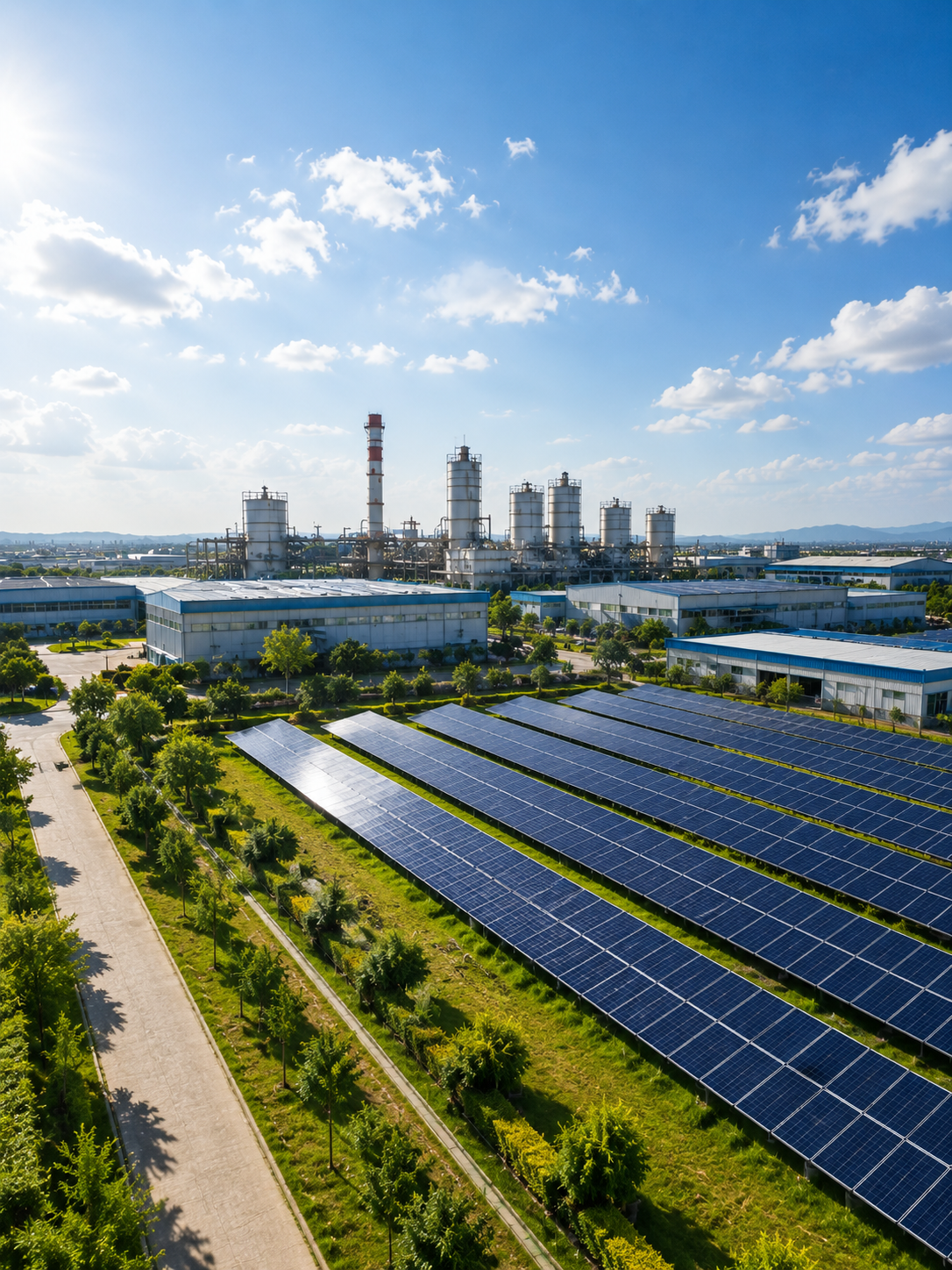
Solar power engineered for industrial load, not adapted from a residential template.
Solar PV, short for solar photovoltaic, converts sunlight directly into electricity. For manufacturers, Industrial Solar PV Systems only deliver value when properly engineered. The system must match the plant it serves. A generic template for Industrial Solar PV Systems underperforms from day one. Instead, INGSOL sizes each system using actual load data, roof geometry and grid conditions. This holds true for every Industrial Solar PV Systems commercial model.
At INGSOL, we treat Industrial Solar PV Systems design as its own engineering discipline. This stays separate from the question of who owns the plant. Whether you choose Solar EPC or Solar RESCO, the same rigorous process applies. This covers system type, sizing and component selection alike.
Solar PV System Types
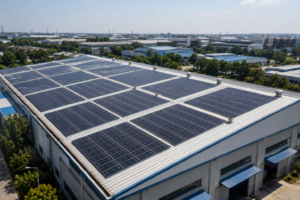
Rooftop Solar PV is one of our core Industrial Solar PV Systems. It uses existing factory roof area. As a result, you reduce grid dependence without needing extra land. This option suits manufacturers with substantial, structurally sound roof space. It also suits those with moderate to high energy needs.
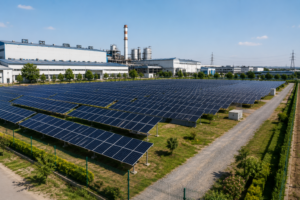
Ground-Mounted Solar PV is another of our Industrial Solar PV Systems. It involves larger installations near the plant. This suits facilities with higher energy demand. It also suits sites with limited rooftop capacity. In addition, it works where roof structures cannot support panel loads.
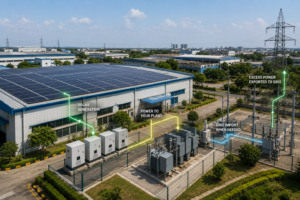
Hybrid & Net-Metered Configurations
Hybrid and net-metered Industrial Solar PV Systems work alongside grid power. Net metering arrangements optimise the balance between solar generation and grid draw. Therefore, surplus generation gets exported automatically. The system draws from the grid whenever solar output falls short.
Core System Components
Every Industrial Solar PV Systems design starts with solar modules, or panels. These convert sunlight into electricity. INGSOL selects them based on efficiency, durability and value. This depends on your specific site conditions and budget.
Inverters convert the direct current your panels generate into usable alternating current. In turn, your plant's equipment can actually run on that power.
Mounting and racking structures secure panels to rooftops or ground-mounted frames. Engineers design these for local wind, weather and structural load conditions.
Balance of system components include cabling, protection equipment and combiner boxes. Grounding systems round out this category. Together, these connect components safely and reliably across the plant.
Monitoring and control systems track output and performance in real time. This reporting can connect to broader plant data through DigitalX.
How We Size and Design Your System
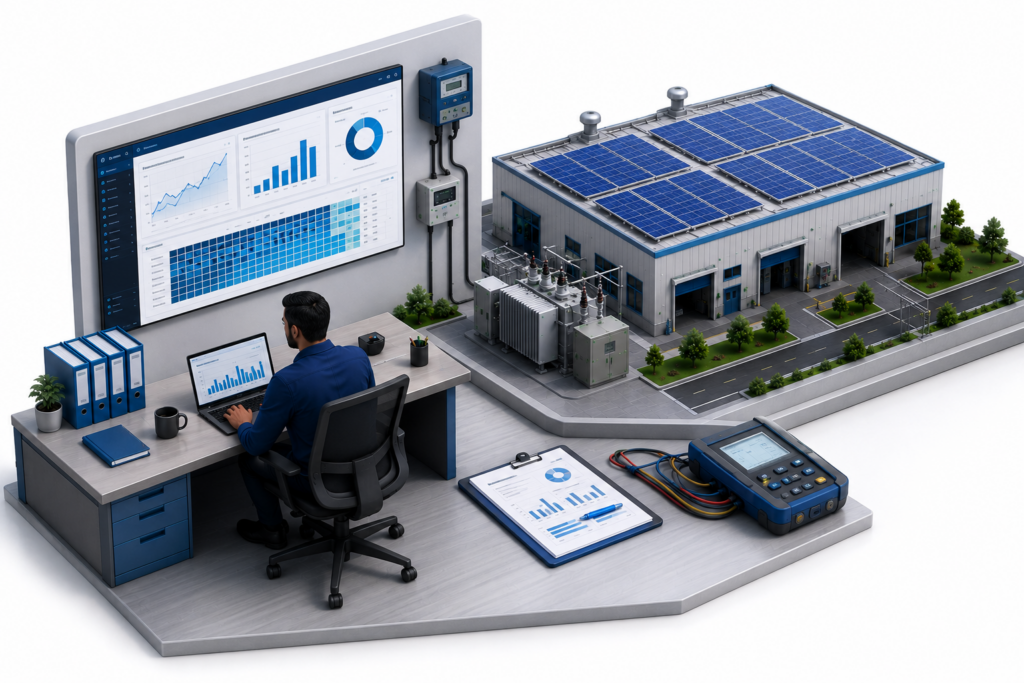
Load Analysis
First, INGSOL sizes your Industrial Solar PV Systems using actual electricity consumption patterns. We never rely on estimates alone. As a result, we determine the system capacity that actually makes sense.
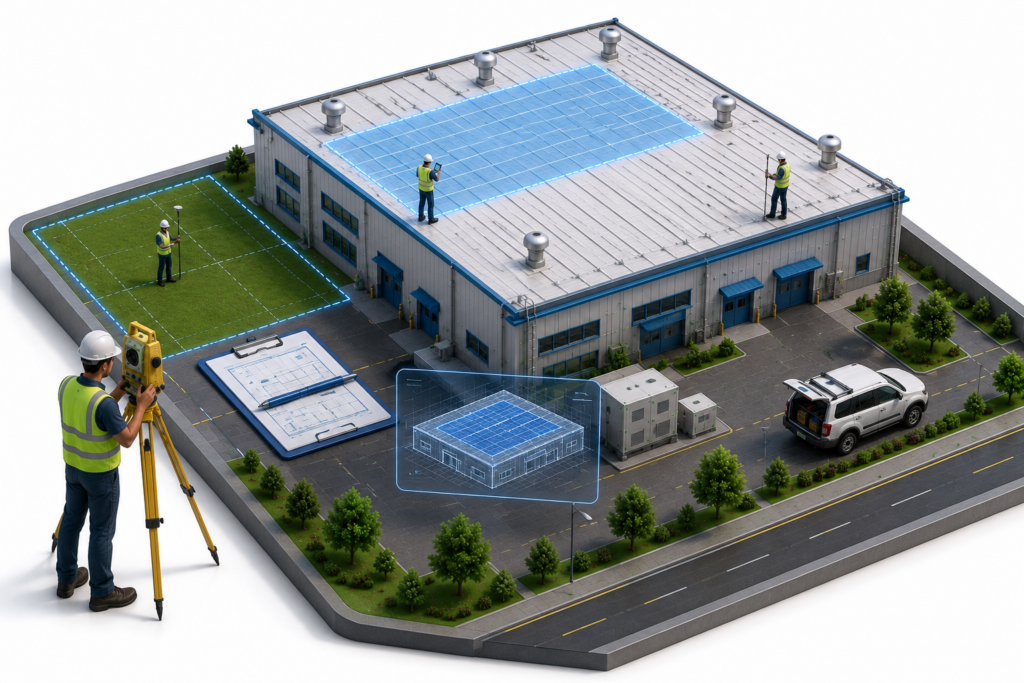
Site Survey
Next, we survey available rooftop area, structural condition or adjacent land. This confirms the right system type and maximum feasible capacity.
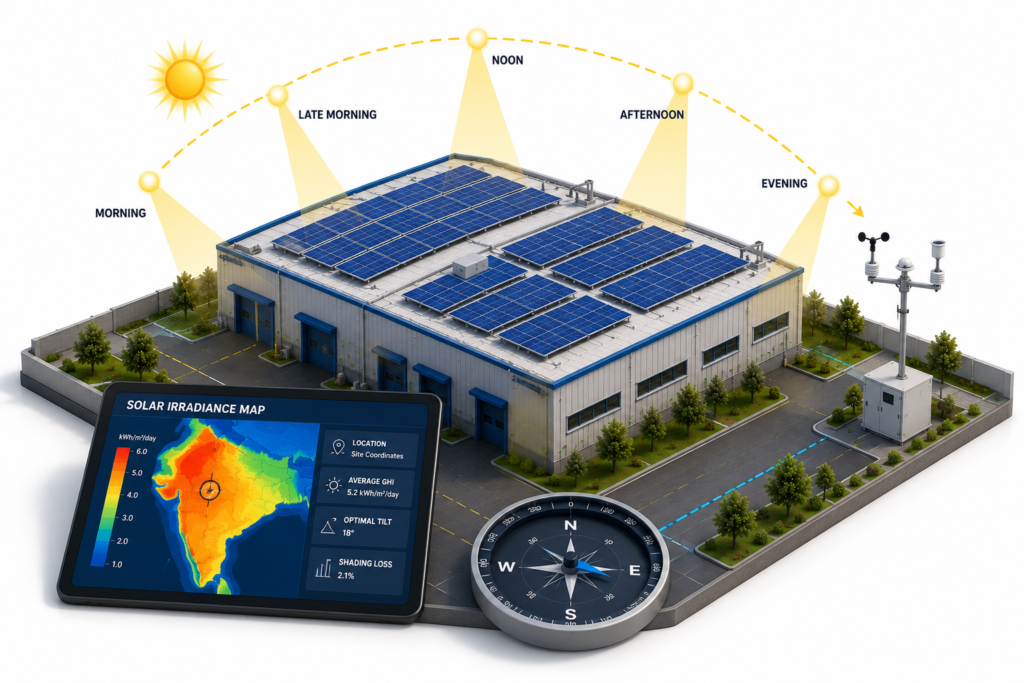
Solar Resource Assessment
We then factor in local solar irradiance, shading and panel orientation. Therefore, the design maximises generation efficiency from day one.
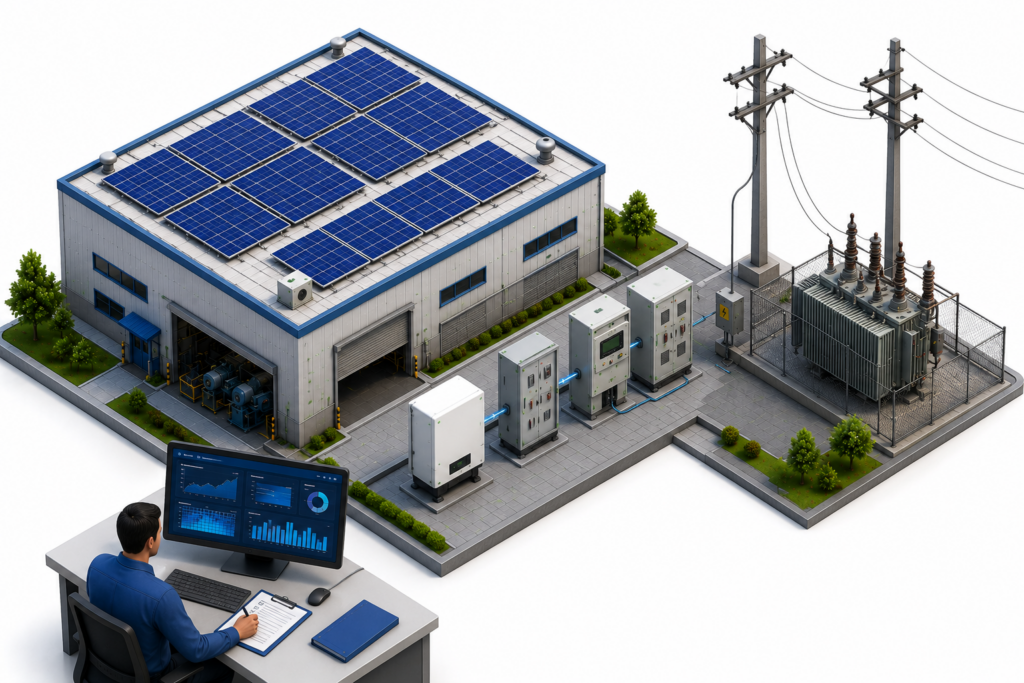
Grid Interconnection Review
Finally, we review your grid connection and net metering eligibility. This confirms the system integrates cleanly with existing infrastructure.
Why System Design Matters
Sizing Determines Return on Investment.
For any Industrial Solar PV Systems project. An undersized system wastes potential savings. Meanwhile, an oversized system wastes capital instead. Both problems stem from skipping proper load analysis.
Industrial Load Is Not Residential Load.
Industrial load differs fundamentally from residential load. A residential-grade component will not survive continuous industrial duty cycles. Reliability demands simply exceed what residential design assumes.
Component Quality Affects Long-Term Performance.
Industrial Solar PV Systems performance directly. Quality inverters, mounting structures and monitoring systems reduce failure risk. As a result, performance stays protected over the full life of the system.
Monitoring Turns Generation Into Insight.
Monitoring turns generation into insight. Real-time monitoring connected to plant data through DigitalX changes everything. Instead of a passive installation, you get an actively managed energy asset.
Why Manufacturers Choose INGSOL for Solar PV
- Engineering-led design: INGSOL selects your Industrial Solar PV Systems type and sizing based on actual load. Site conditions and components matter just as much. We never default to a generic template.
- No overengineering, no upselling: we specify only the system capacity and components your plant actually needs. Therefore, you get no oversized systems and no inflated scope.
- Connected to the rest of INGSOL: Industrial Solar PV Systems monitoring can connect to your broader plant data through DigitalX. As a result, generation aligns with actual operational demand.
- Consistent quality, either delivery model: the same Industrial Solar PV Systems standard applies. This holds whether you choose EPC or RESCO. Consistent quality never depends on the delivery model.

Request a site assessment to see what Industrial Solar PV Systems could generate. Then, choose how you want to acquire it for your plant.
Our Clients


















membership