
ChirpStack
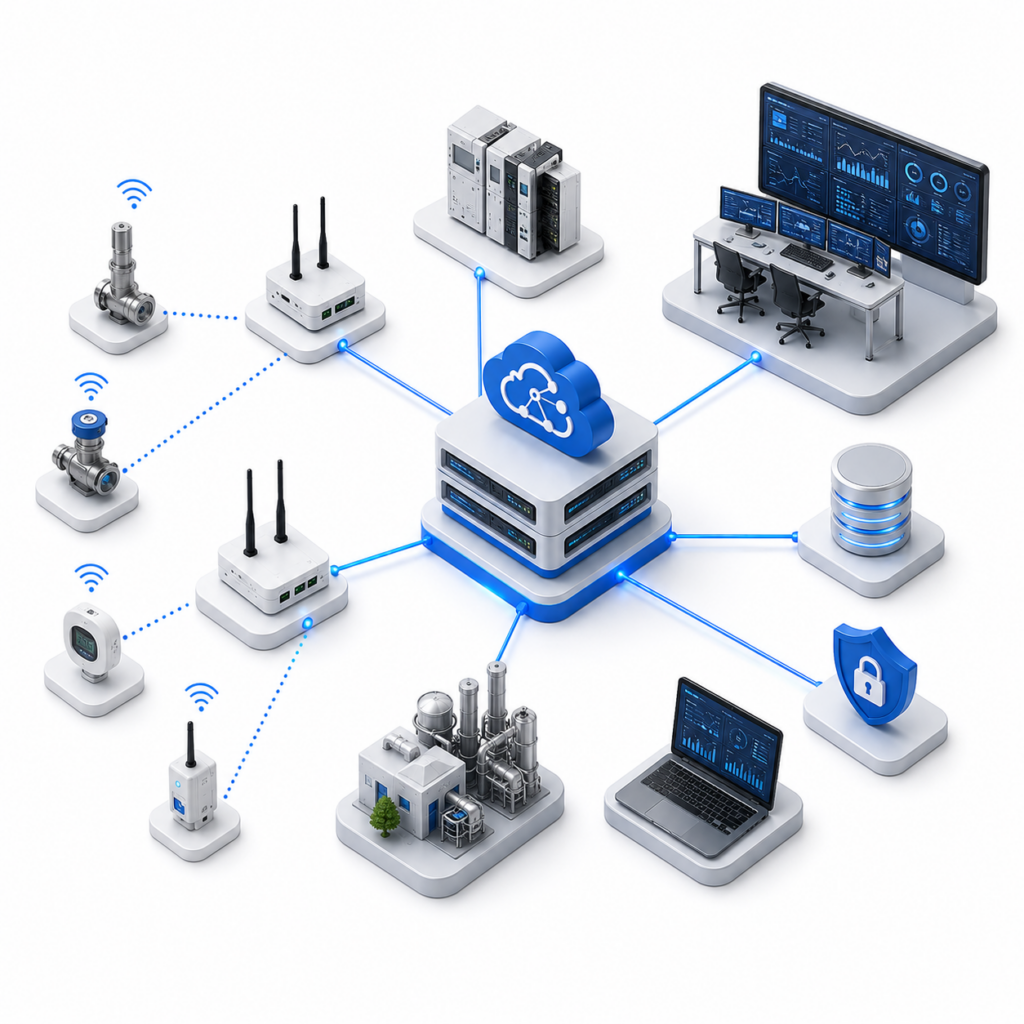
ChirpStack: Full Control Over Your Factory's LoRaWAN Network
Some manufacturers are comfortable with a managed LoRaWAN network service. Others need something different entirely. Data governance, security policy or simply wanting full ownership matter here. These factories need a network server running on their own premises. INGSOL deploys ChirpStack for exactly that requirement. This page explains what ChirpStack is. It also shows how INGSOL uses ChirpStack. Finally, it explains when ChirpStack is the right choice.
What Is ChirpStack?
ChirpStack is an open-source LoRaWAN network server. An organisation runs it on its own infrastructure. This might be on-premises or in a private cloud it controls. Either way, the server performs the same core function as any network server. It authenticates devices and manages gateway connections. Sensor data then routes to the applications that consume it. However, it never depends on a third-party managed service to do so.
It is not a sensor manufacturer or an analytics platform. Nor does it visualise or store data long-term itself. Instead, its role covers the network layer specifically. It sits between LoRaWAN gateways and sensors on one side. On the other side sit applications, such as ThingsBoard or a Unified Namespace. This works exactly as a managed network server would. However, you host and control it entirely yourself.
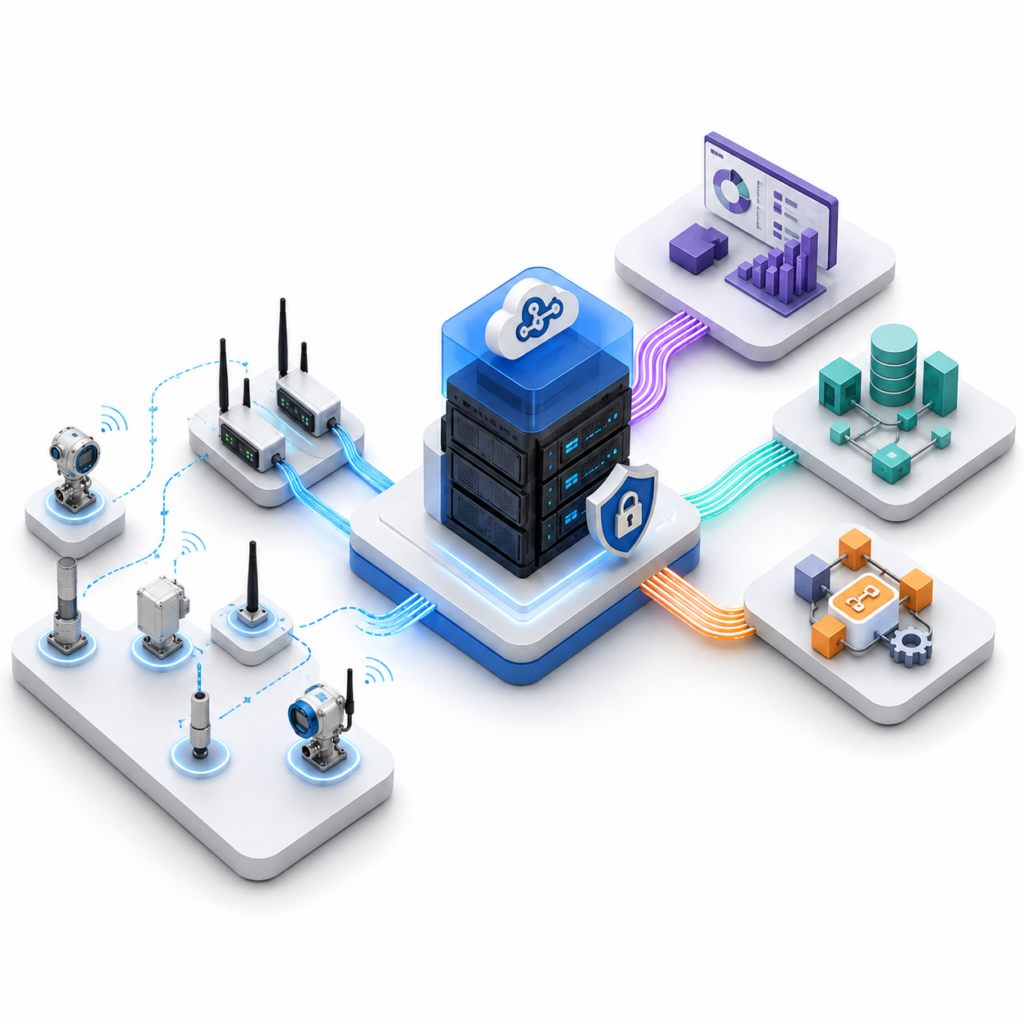
Why INGSOL Uses ChirpStack
Full control over data and infrastructure:
Running ChirpStack on your own infrastructure keeps sensor data on your premises. It never has to pass through a third-party managed service. Therefore, this matters greatly for sites with strict data governance requirements.
No licensing costs or vendor dependence:
Because it is open-source, it carries no licensing fees. As a result, organisations avoid ongoing dependence on a provider’s pricing or roadmap.
Customisable to your environment:
Because it runs on your own infrastructure, its configuration adapts precisely to your needs. Integrations and network topology follow your site’s IT policies, too. This differs from working within a managed service’s constraints.
Scales to your infrastructure:
It can run on a single server for a smaller site. Alternatively, it scales across infrastructure for a larger, multi-site organisation. Therefore, you get real flexibility in how much control you take on.
Built on an open standard:
It can run on a single server for a smaller site. Alternatively, it scales across infrastructure for a larger, multi-site organisation. Therefore, you get real flexibility in how much control you take on.
How INGSOL Deploys ChirpStack in Practice
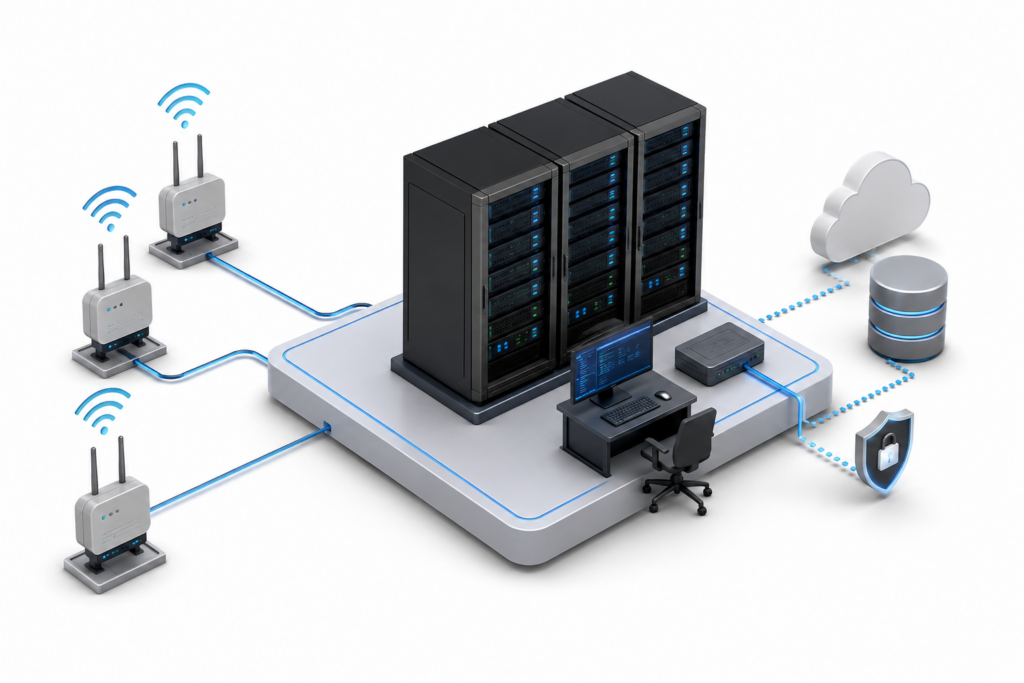
On-Premises Network Server Deployment
INGSOL installs and configures ChirpStack on infrastructure within your control. This might be a dedicated server, a virtual machine or your private cloud. As a result, your LoRaWAN network operates entirely within your existing IT governance boundaries.
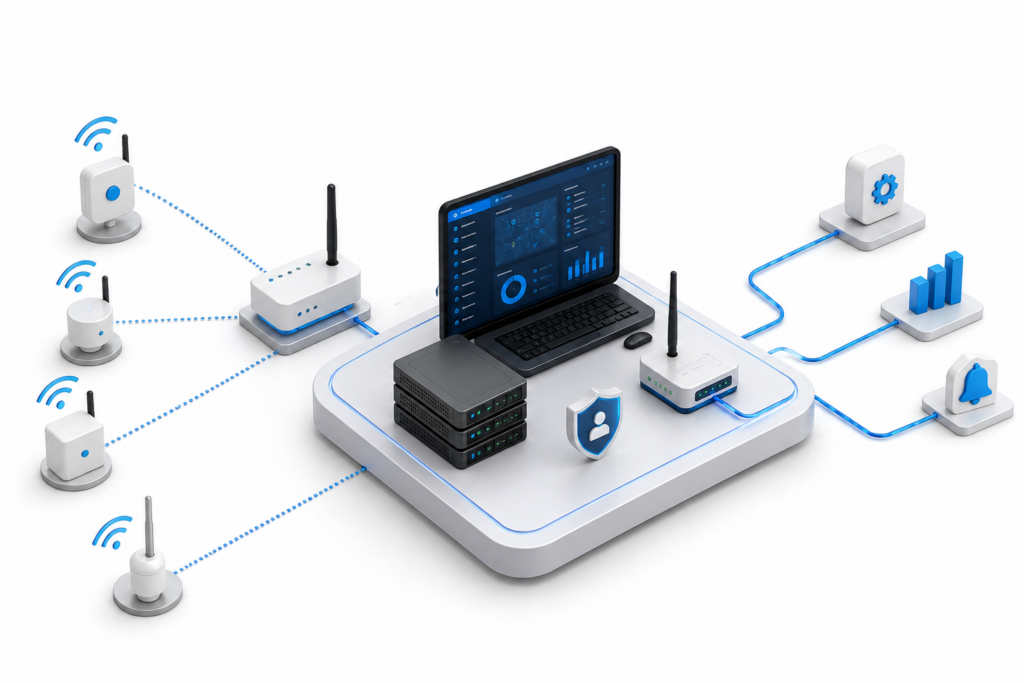
Device and Gateway Management
It provides device provisioning, authentication and gateway management tools. This gives your team, or INGSOL on your behalf, a central management point. Teams onboard sensors and monitor network health without an external provider.
Routing Data Into Your Architecture
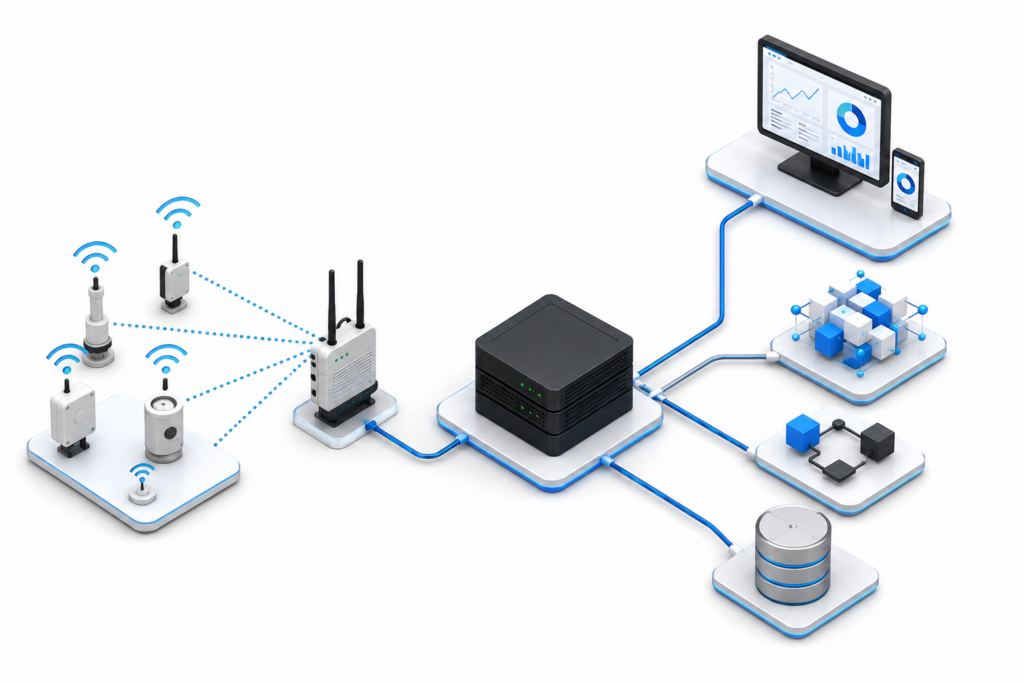
Sensor data authenticated through ChirpStack routes into ThingsBoard for device management and dashboards. Alternatively, it routes directly into a Unified Namespace where one exists. Node-RED handles any additional protocol translation or routing logic required.
Supporting Sensitive or Restricted Sites
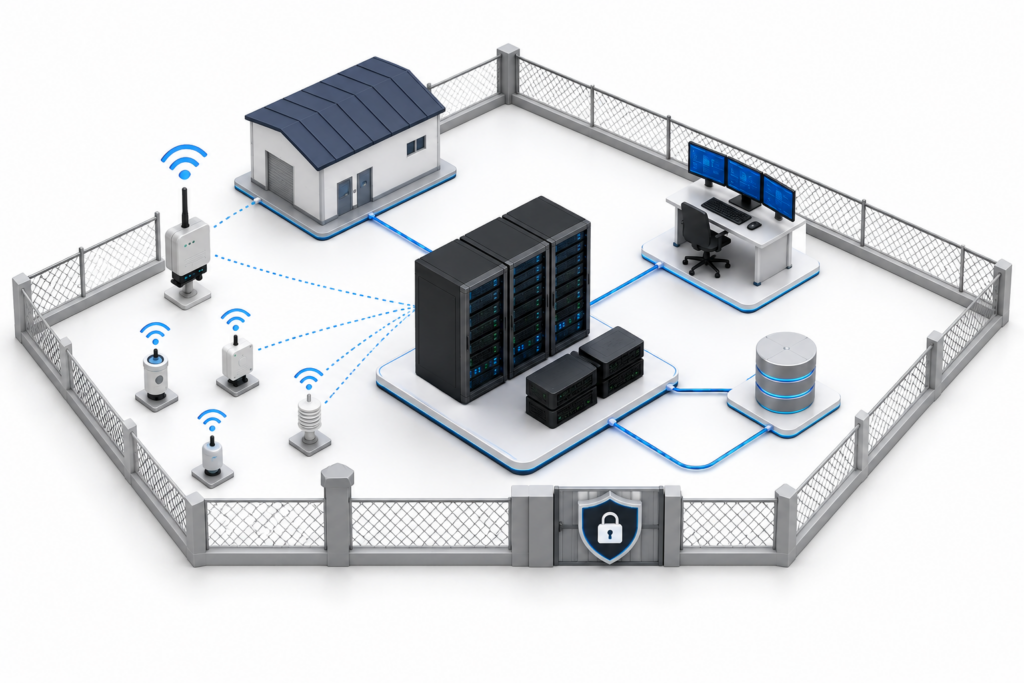
Some sites carry heightened security requirements or restricted network access. Others carry contractual data residency obligations instead. For these cases, it deploys LoRaWAN connectivity without external servers touching sensor data. Therefore, the entire network stays within your defined security perimeter.
ChirpStack or The Things Network: Choosing the Right Fit
INGSOL supports both ChirpStack and The Things Network. We recommend between them based on your specific situation. Neither gets a default preference. ChirpStack suits organisations that want full ownership of their infrastructure. It also suits those with strict data governance requirements. The Things Network suits organisations that prefer a managed service instead. This works well for those wanting to minimise infrastructure they operate directly. Both implement the same open LoRaWAN standard. Therefore, this choice never locks you into a particular sensor ecosystem.
ChirpStack Within the INGSOL Technology Stack
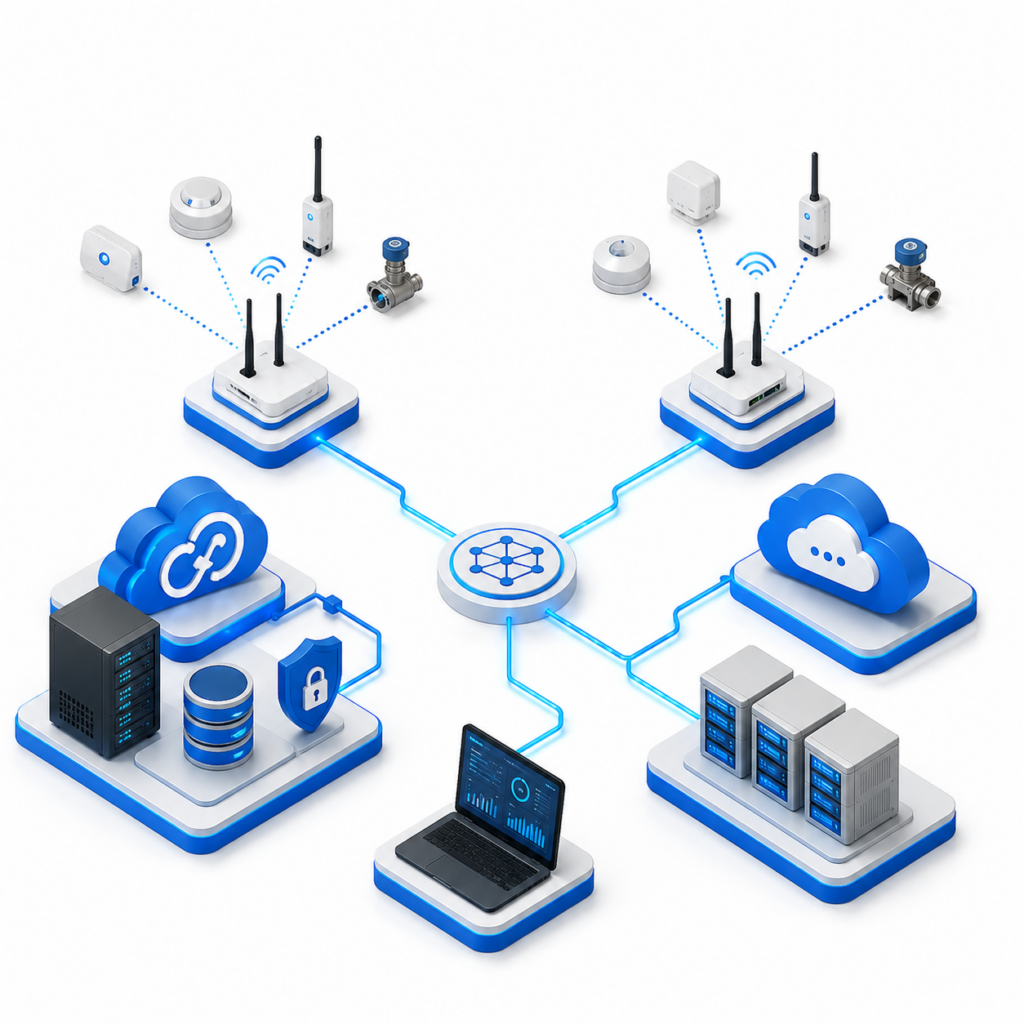
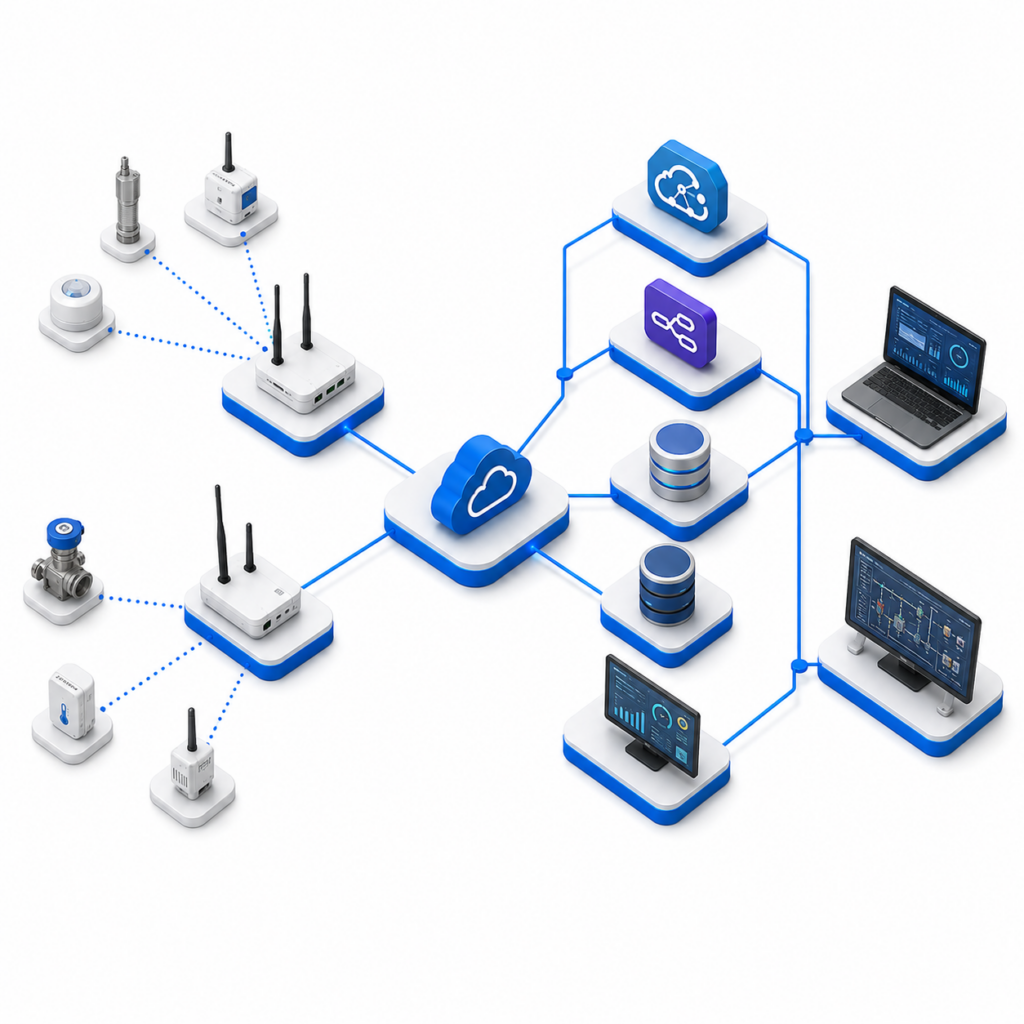
ChirpStack sits between LoRaWAN gateways and sensors on one side. The rest of INGSOL’s technology stack sits on the other. Data authenticated through ChirpStack typically flows into ThingsBoard for device management. Alternatively, it flows directly into a Unified Namespace. From there, it reaches PostgreSQL and TimescaleDB for storage. Node-RED handles protocol translation where needed. Grafana or Ignition then present the data on dashboards. This happens alongside readings from wired and Wi-Fi equipment. As a result, you get a consistent view regardless of network server.
Why Manufacturers Choose INGSOL's PostgreSQL Implementation
Engineers who understand both the LoRaWAN protocol and your site deploy ChirpStack. They also understand your specific IT and security requirements.
As a self-hosted, open-source platform, ChirpStack keeps your infrastructure within your control. Your data stays there, too.
ChirpStack integrates into the same ThingsBoard, Unified Namespace and dashboard architecture. This applies equally to wired and Wi-Fi equipment. Therefore, ChirpStack never operates as a disconnected system.
INGSOL recommends ChirpStack or The Things Network based on honest assessment. This covers your governance requirements and IT resourcing specifically. Nobody defaults to one preference automatically.
INGSOL deploys and manages ChirpStack to give your factory full network ownership. This happens without depending on a third-party managed service. Get in touch to discuss how ChirpStack fits your technology stack. Alternatively, start with a Digital Transformation Maturity Assessment for your plant.
Our Clients














membership